By Bababunmi Agbebi
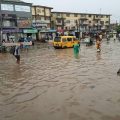
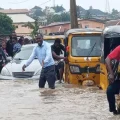
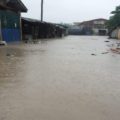
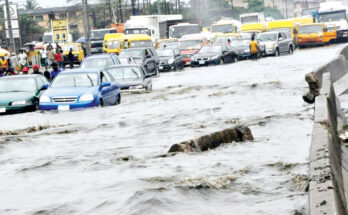
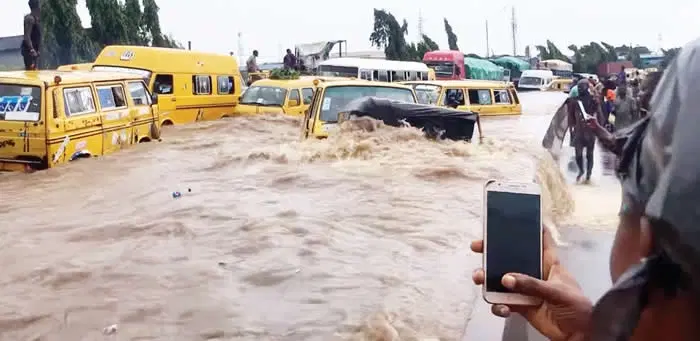
The heavy rainfall that swept across Lagos on Sunday, June 28, 2026, once again exposed the city’s long-standing vulnerability to flooding. Within hours, major roads became impassable, vehicles were submerged, homes and businesses were inundated, and thousands of residents found themselves stranded.
For many Lagosians, the incident was another reminder that flooding is no longer an occasional disaster but a recurring reality that demands a change in attitude, planning, and collective responsibility. While government agencies have a significant role to play in improving infrastructure and drainage systems, residents also have important responsibilities in reducing flood risks.
The June 28 flood offers valuable lessons that should not be ignored.
Flood Warnings Must Be Taken Seriously
Weather forecasts and flood advisories are often dismissed until disaster strikes. Residents should pay closer attention to predictions issued by relevant authorities and adjust their travel plans accordingly.
Ignoring warnings can lead to avoidable accidents, property damage, and even loss of life. Being informed and acting early remains one of the most effective ways to stay safe during extreme weather events.
Drainage Channels Are Not Waste Bins
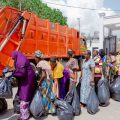
One of the biggest contributors to urban flooding in Lagos is the indiscriminate disposal of refuse into drains and canals. Plastic bottles, nylon bags, food containers, and other waste materials block waterways, preventing rainwater from flowing freely.
Keeping drainage systems free of waste is not solely the responsibility of government sanitation workers. Every resident has a civic duty to dispose of refuse properly and discourage practices that worsen flooding.
Avoid Driving Through Floodwaters
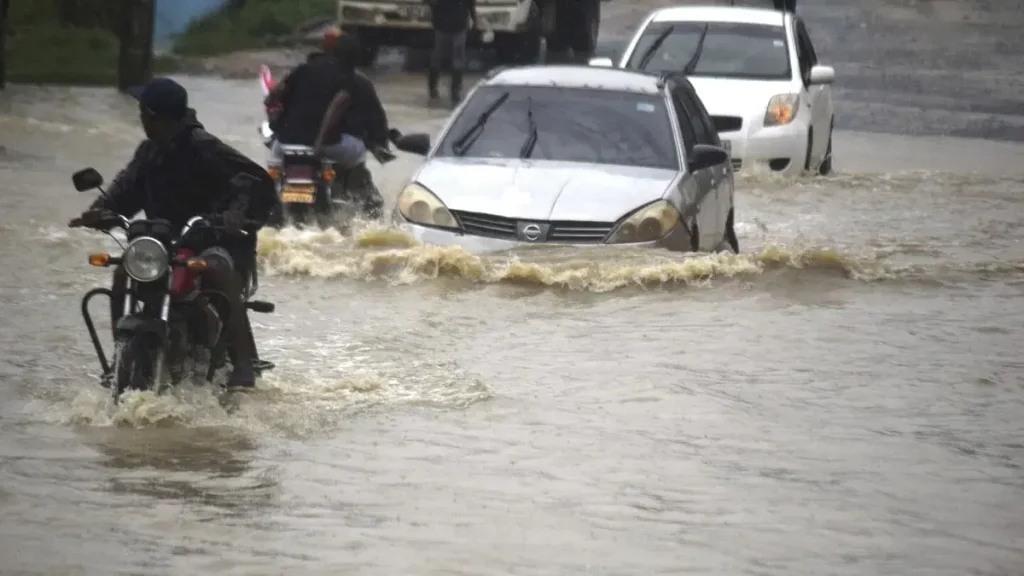
Every rainy season, motorists underestimate the dangers of flooded roads. What appears to be a shallow pool of water may conceal deep potholes, open drainage channels, or damaged road surfaces.
Floodwaters can also cause vehicles to stall, leading to costly repairs and putting lives at risk. When roads are heavily flooded, delaying a journey is often the safer and wiser option.
Emergency Preparedness Saves Lives
Many households remain unprepared for sudden flooding. Residents should develop basic emergency plans, identify safer routes, keep emergency contact numbers accessible, and protect important documents in waterproof containers.
Simple preparations can significantly reduce panic and minimize losses when flooding occurs unexpectedly.
Urban Planning Matters
The rapid expansion of Lagos has increased pressure on drainage infrastructure. Construction on natural waterways, wetlands, and flood-prone areas continues to limit the city’s ability to manage heavy rainfall.
Residents, developers, and regulatory authorities must collectively support responsible urban planning that prioritizes environmental sustainability over short-term gains.
Climate Change Is No Longer a Distant Threat
The increasing frequency and intensity of rainfall demonstrate the growing impact of climate change on coastal cities like Lagos. Flooding should no longer be viewed as an isolated event but as part of a broader environmental challenge.
Individuals can contribute by adopting environmentally responsible practices, supporting tree planting initiatives, reducing pollution, and promoting sustainable waste management.
Community Responsibility Is Essential
Flood management cannot succeed through government intervention alone. Residents’ associations, market leaders, religious institutions, and community groups all have roles to play in environmental sanitation, public awareness, and emergency response.
Communities that work together before disasters occur are often better equipped to respond when emergencies arise.
The June 28 flood should serve as more than another headline in Lagos’ rainy season. It should become a turning point for residents, policymakers, and stakeholders to rethink how the city prepares for and responds to flooding.
Building a flood-resilient Lagos requires more than improved infrastructure. It demands behavioural change, environmental responsibility, stronger enforcement of planning regulations, and greater public awareness.
As the rainy season continues, the most important lesson is clear: flooding may not always be preventable, but many of its devastating effects can be reduced when government and citizens work together. The decisions made today will determine how well Lagos withstands the next heavy rainfall.