
By Chiagoziem Abosi
Edited by Bababunmi Agbebi
Pregnancy is often described as a joyful journey, but health experts in Ikeja are reminding expectant mothers that some symptoms should never be ignored.
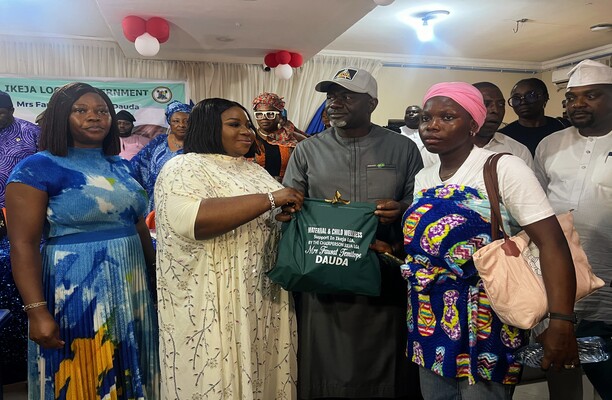
At a maternal and child health awareness programme organised by Ikeja Local Government, healthcare professionals urged pregnant women to seek immediate medical attention whenever they notice unusual signs during pregnancy, stressing that early intervention can save both mother and child.
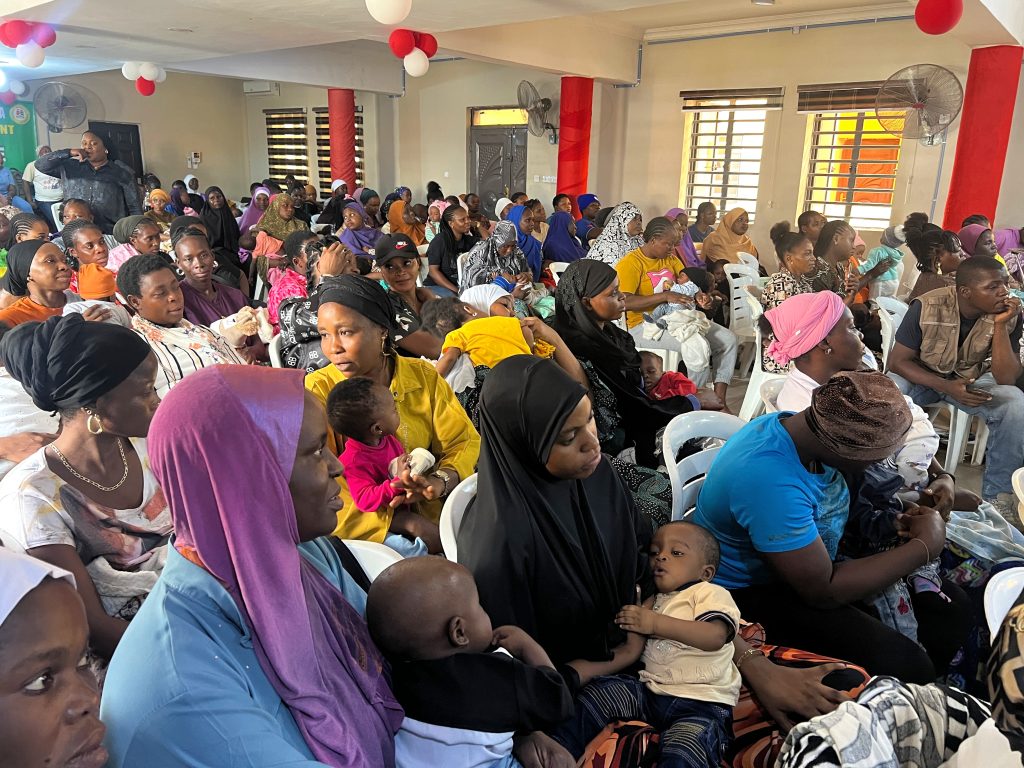
The programme, which brought together pregnant women, nursing mothers and healthcare workers, focused on improving maternal health through education, early detection of pregnancy complications and increased awareness of family planning.
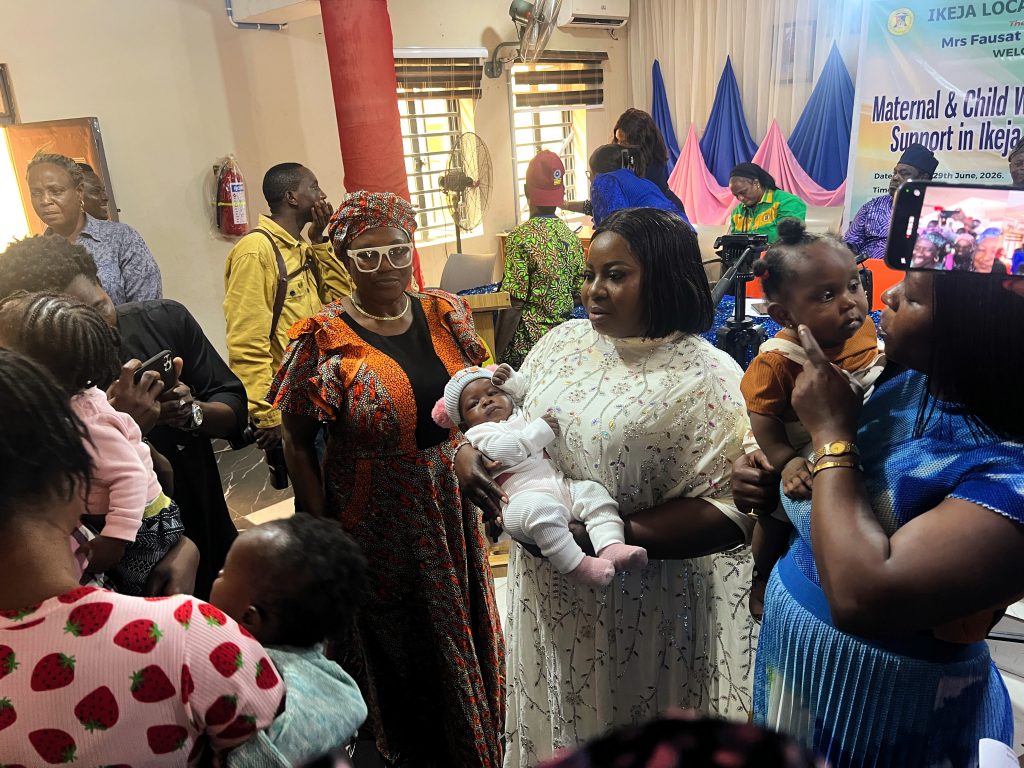
Speaking during one of the health sessions, the Head Nurse of Ikeja Local Government, Nurse Adeshina, explained that persistent headaches, unexplained bleeding, high blood pressure, convulsions and leakage of amniotic fluid are among the major danger signs that require urgent medical attention.
According to her, many women mistakenly assume these symptoms are a normal part of pregnancy and attempt to manage them at home. She warned that such delays could lead to serious complications, including preeclampsia, premature delivery, infections or even loss of life.
She advised pregnant women and their families to report any unusual symptoms immediately at the nearest health facility rather than relying on self-medication or assumptions.
The programme also highlighted the importance of family planning as a key part of maternal and child health.
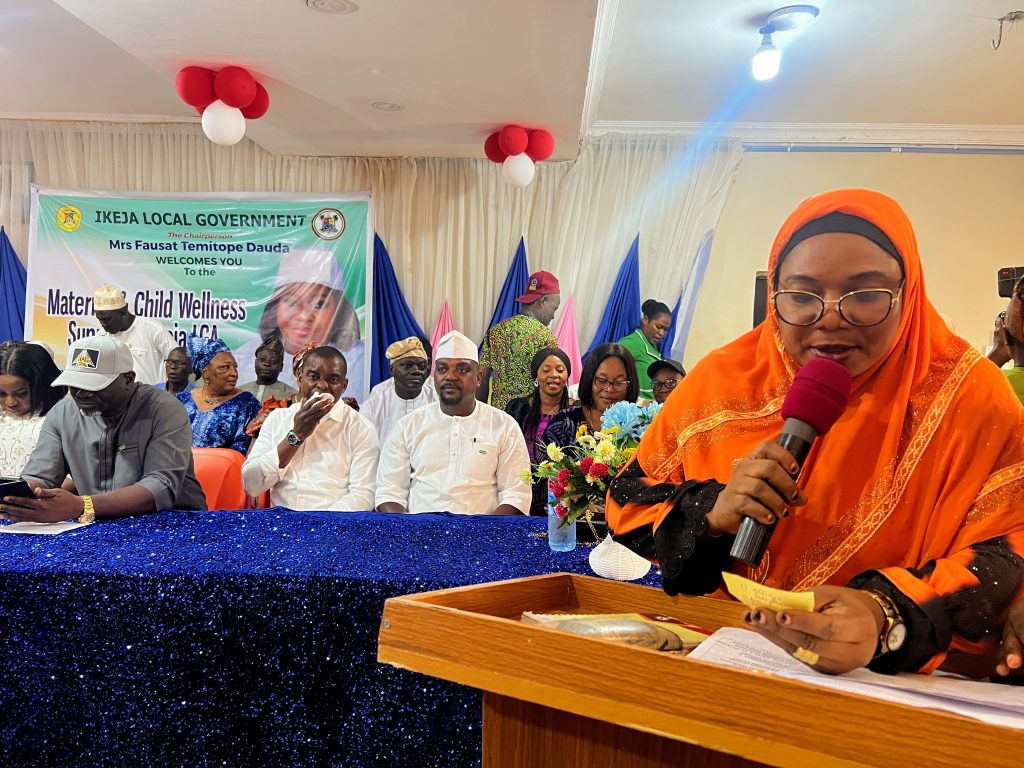
The Reproductive Health Officer and Family Planning Manager for Ikeja Local Government, Nurse Ruth Adekunle, explained that family planning allows parents to choose the number of children they can adequately care for while also giving mothers enough time to recover between pregnancies.
She noted that family planning methods available at public health facilities include oral contraceptive pills, injectables, implants, intrauterine devices (IUDs), and both male and female condoms.
Citing recommendations from the World Health Organization (WHO), she explained that allowing at least 24 months between pregnancies gives a woman’s body enough time to recover, reducing health risks for both mother and baby.
Beyond health benefits, she added that family planning also helps families manage the rising cost of living by enabling parents to better provide for their children.
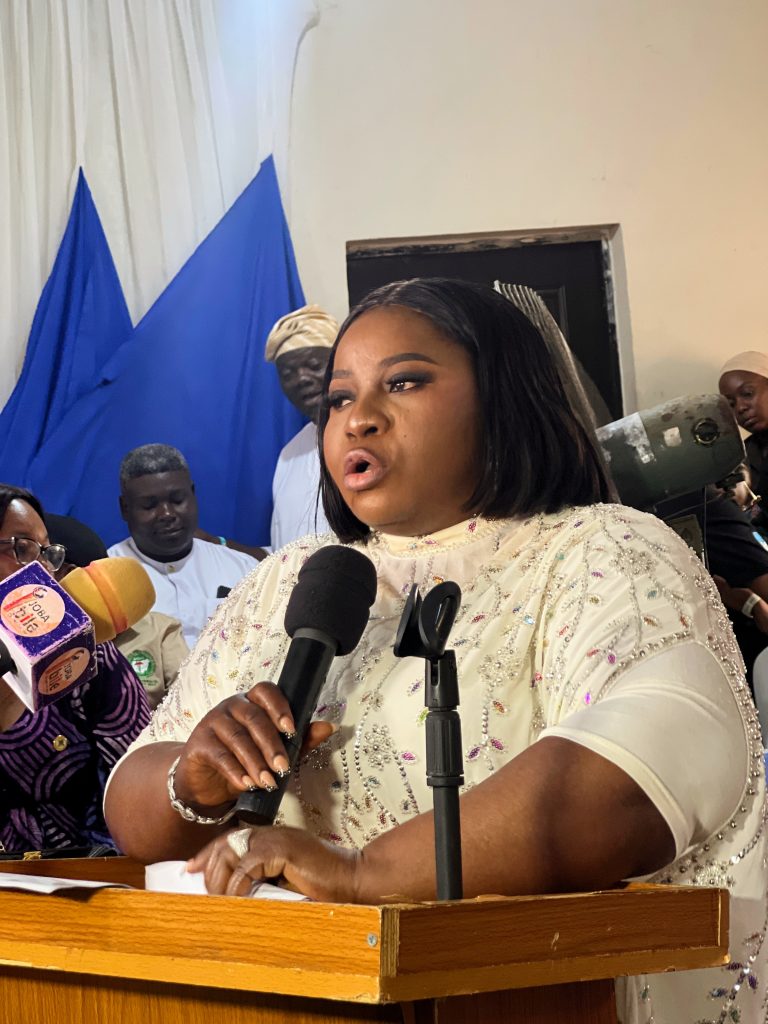

Speaking on the objective of the programme, the Executive Chairman of Ikeja Local Government, Akeem Dauda, said the initiative forms part of the council’s broader commitment to preventive healthcare across the community.
According to him, the local government has continued to organise health-focused programmes for different groups, including elderly residents, mothers, children and young people, with the goal of promoting healthier lifestyles and preventing diseases before they occur.
He stressed that health education remains one of the most effective ways to reduce preventable illnesses, noting that prevention is always better than cure.
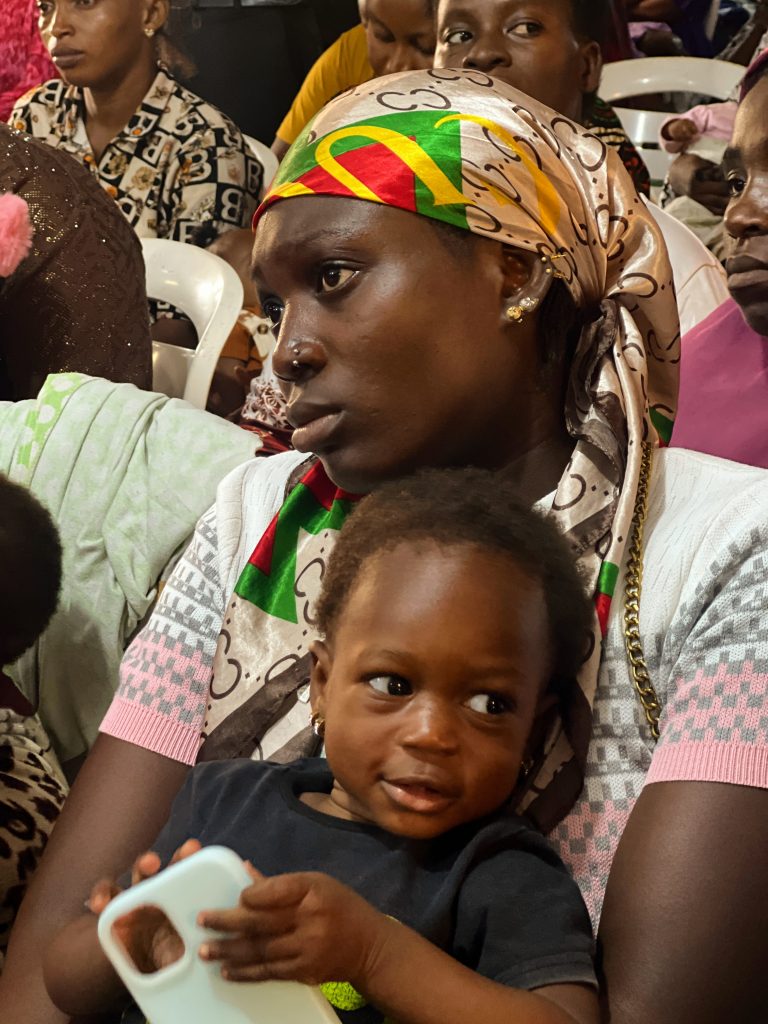
As healthcare workers continue to encourage pregnant women to attend antenatal clinics regularly, the message from the Ikeja programme is simple: recognising danger signs early and seeking prompt medical care could make the difference between a healthy delivery and a preventable emergency.
Have you or someone close to you attended antenatal classes before? What health advice made the biggest difference? Share your thoughts in the comments, and follow IkejaBird Media for more community stories and updates from across Ikeja.
Recommended posts:
 Important things to know about health insurance in Nigeria
 Digital Health in Lagos: Is Ikeja’s SHIP Pilot the Start of a Data Revolution?
 “Pregnancy has no respect for anyone” – Nigerian lady shows photos of herself before and during pregnancy
 E shock her: Nigerian lady discovers pregnancy few months before delivery