By Toochi Ejiofor
Edited by Bababunmi Agbebi
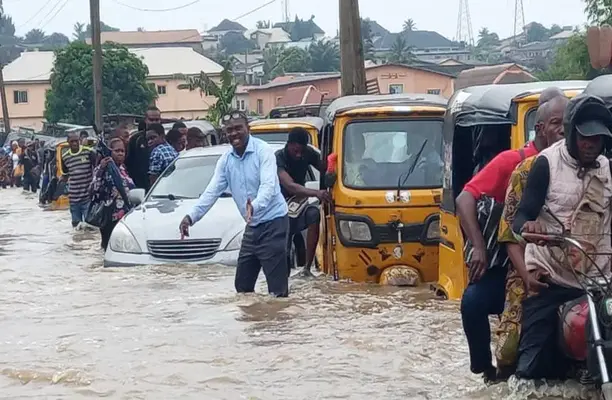
As heavy rains continue across Lagos, concerns are once again growing over flooding and the preparedness of communities vulnerable to the yearly crisis.
Recent flood advisories by the National Emergency Management Agency (NEMA) identified several Local Government Areas in Lagos, including Ikeja, Epe, Eti Osa, Ibeju Lekki, Ikorodu, Lagos Island, Kosofe, and Apapa, as moderate flood risk zones.
For many Lagos residents,flooding has become a recurring reality rather than a seasonal surprise. In several communities across the state, blocked drainage systems, indiscriminate waste disposal, poor road infrastructure, and rapid urban development continue to worsen flood situations whenever rainfall intensifies.
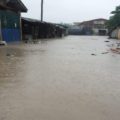
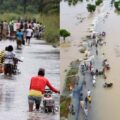
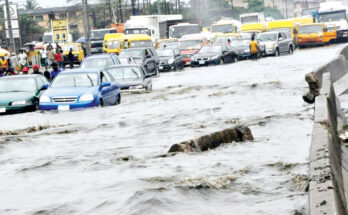
During heavy downpours, roads become waterlogged, movement is disrupted, vehicles break down, and some residents are forced to temporarily abandon homes and shops affected by rising water levels. In 2024 alone, floods affected about 275,621 people across 48,403 households.
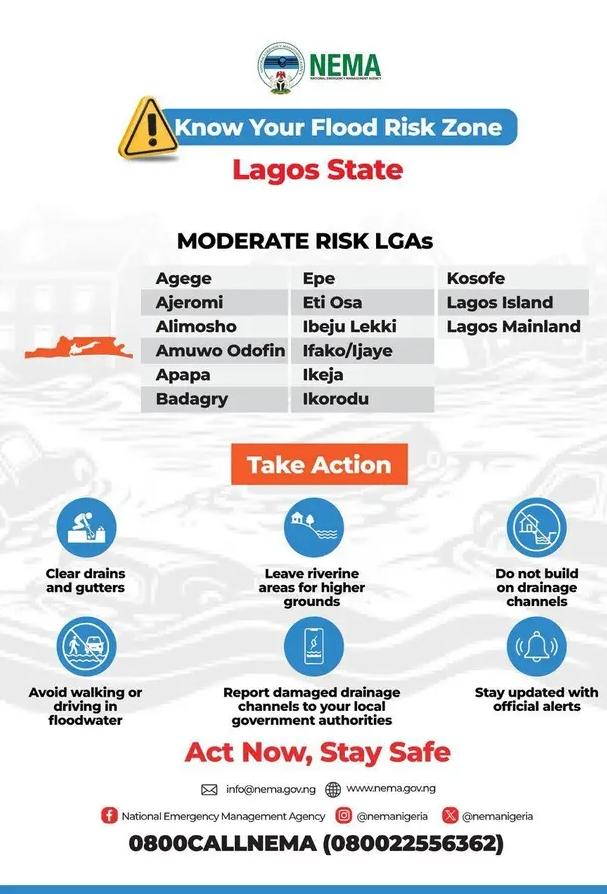
Flooding also poses health and environmental risks, as stagnant water and overflowing drainage systems often contribute to the spread of diseases and environmental pollution.
Over the years, the Lagos State Government has repeatedly carried out drainage clearance exercises and environmental enforcement campaigns aimed at reducing flood risks. Residents have also been urged to avoid dumping waste in canals and drainage channels. Despite these efforts, many drainage systems across communities remain blocked, especially in densely populated areas.
Environmental experts have consistently warned that climate change, rising sea levels, and increasing urban pressure may continue to increase flood risks in coastal cities like Lagos if proper environmental and drainage management is not sustained.
As the rainy season intensifies, questions are once again being raised about how prepared communities truly are for another season of flooding.