By Suad Ayinla
Edited by Bababunmi Agbebi
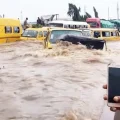
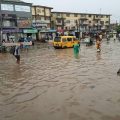
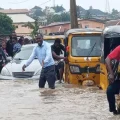
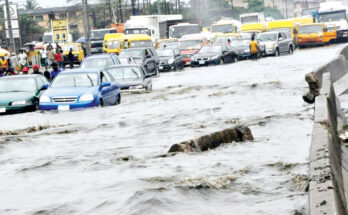
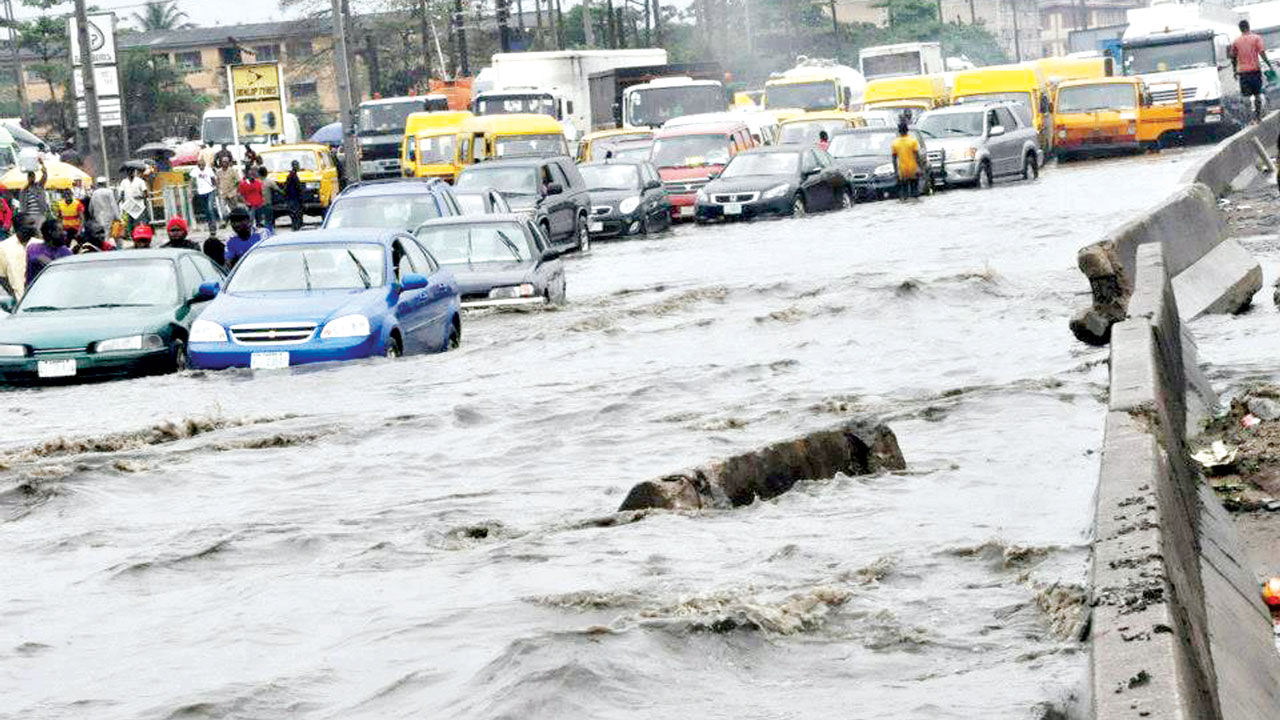
For some Lagos residents, rain is no longer just a change in weather. It is a warning. Once dark clouds gather, people begin to think about flooded roads, rising water levels, stranded vehicles and whether they will be able to get home safely. In some communities, especially low-lying areas, flooding has become a recurring problem that residents have learned to live around, even when it disrupts their homes, businesses and daily routines.
The situation has continued to raise concern as Lagos enters periods of heavy rainfall. Flood alerts have repeatedly identified several low-lying and flood-prone communities across the state, reminding residents to remain cautious and move to safer areas when necessary. For people living in vulnerable neighbourhoods, however, the concern goes beyond receiving a warning. The real challenge is dealing with what happens when the water actually arrives.
When floodwater takes over a street, ordinary activities can quickly become difficult. Children may struggle to get to school, workers can be delayed for hours, businesses may lose customers and residents can find themselves trapped in their homes. In severe cases, floodwater can damage furniture, electrical appliances, vehicles and other belongings that families have spent years acquiring. For small businesses, even a single major flood can mean days of lost income and expensive repairs.
Heavy rainfall is not the only factor behind Lagos’ flooding problem. Blocked drainage channels, poor waste disposal, inadequate drainage systems and construction in vulnerable areas can worsen the situation. Although the Lagos State Government continues to carry out drainage clearing, flood control and other interventions, recurring flooding shows that the challenge requires more than emergency action whenever the rain becomes heavy. Prevention, proper planning and maintenance of drainage infrastructure are equally important.
For communities that face flooding repeatedly, the biggest concern is that an emergency can gradually become accepted as normal. Residents should not have to plan their movements around flooded roads or constantly worry about whether the next rainfall will enter their homes. As Lagos continues to grow, the question is not simply whether the city can survive another rainy season, but whether it can build communities where heavy rainfall does not automatically mean disruption, damage and fear.