By Toochi Ejiofor
Edited by Bababunmi Agbebi
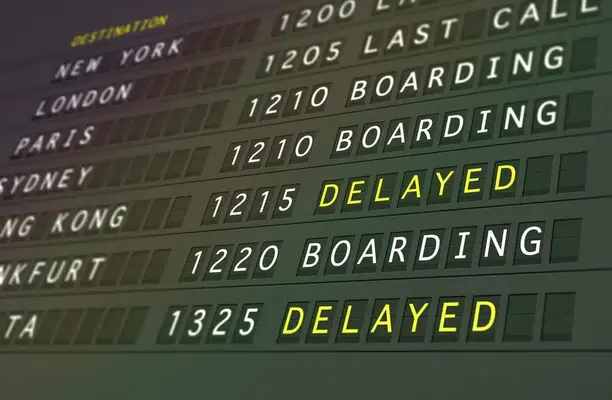
Passengers affected by flight delays and cancellations in Nigeria are legally entitled to certain compensation and care, according to the Federal Competition and Consumer Protection Commission (FCCPC).
The FCCPC says these rights are established under the Federal Competition and Consumer Protection Act, 2018, and further reinforced by the Nigerian Civil Aviation Authority (NCAA) regulations, particularly Part 19, which outlines obligations owed to passengers in cases of disruption, including delays, cancellations and refund processes.
Speaking in an interview, FCCPC Director of Corporate Affairs, Ondaje Ijagwu, explained that the aviation sector is regulated to ensure passengers are not left without support during service interruptions.
“We know that the aviation sector is actually regulated by the Nigerian Civil Aviation Authority, and they have a part 19 of their act that actually provides for what consumers are entitled to when there are issues of delay, issues of flight cancellations, refund and a host of others,” Ijagwu said.
Under the regulations, passengers experiencing extended delays are expected to receive refreshments, while longer disruptions may require additional support such as airtime. “If for a number of hours your flight is delayed, you’re supposed to be given refreshment, and then after some more hours of delay, you’re even supposed to be given air time, from what we understand from the books and the law. You’re supposed to be provided airtime because you could be seen to at least be in distress. So, you would be required to be assisted to that extent,” he explained.
In situations where flights are cancelled after prolonged waiting periods, airlines may also be required to provide alternatives such as transportation or accommodation, depending on the circumstances.
However, the commission says compliance with these obligations is not always consistent across airlines. Ijagwu notes that enforcement often depends on passengers reporting their experiences, as regulators may not be fully aware of how travelers are treated unless complaints are filed.
This conversation comes amid ongoing pressure in Nigeria’s aviation sector linked to rising jet fuel costs, which have disrupted airline operations in recent weeks. The situation has led to delays, rescheduled flights and, in some cases, cancellations, with passengers reporting stranded journeys and sudden changes to travel plans.
It’s necessary for Nigerians to better educate themselves on their consumer rights. As Ijagwu stated, “The very first part of these rights would even be a right to information.” Understanding available protections will help consumers hold service providers accountable and ensure they receive due care when faced with flight delays or cancellations.