By Wisdom Udo and Chiagoziem Abosi
Edited by Bababunmi Agbebi
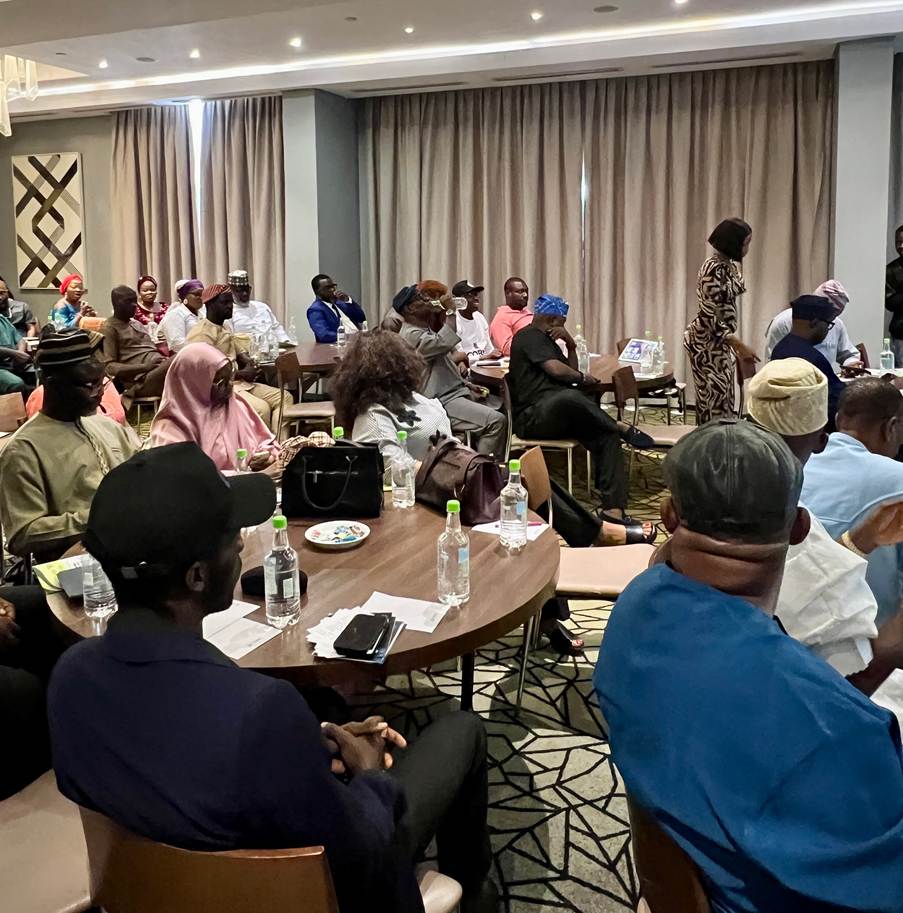
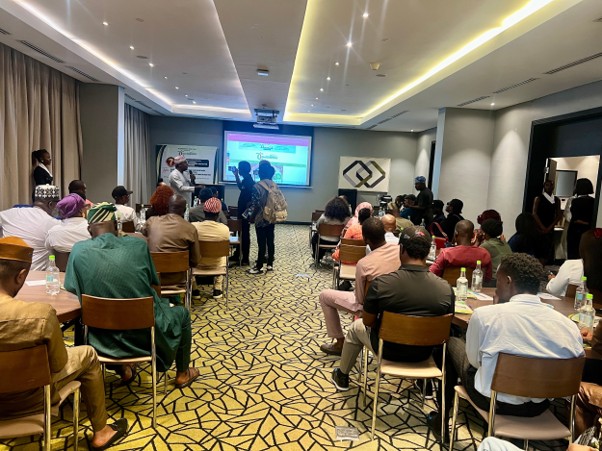
Conversations around fake news, misinformation, and social media responsibility took centre stage in Ikeja as government spokespersons, journalists, media professionals, and community leaders gathered for the “Timeline Awareness Lecture on Curbing Distortion of Events and Social Media Reporting.”
The event focused on a growing concern in Nigeria’s digital space, the rapid spread of unverified information online and its impact on society.
With social media becoming one of the fastest sources of news for many residents, speakers stressed the need for responsibility, fact-checking, and ethical reporting in an era driven by clicks and virality.
Representing the Special Adviser to the President on Public Communications, Tope Ajayi reminded attendees that while freedom of expression remains important in a democratic society, it must come with accountability.
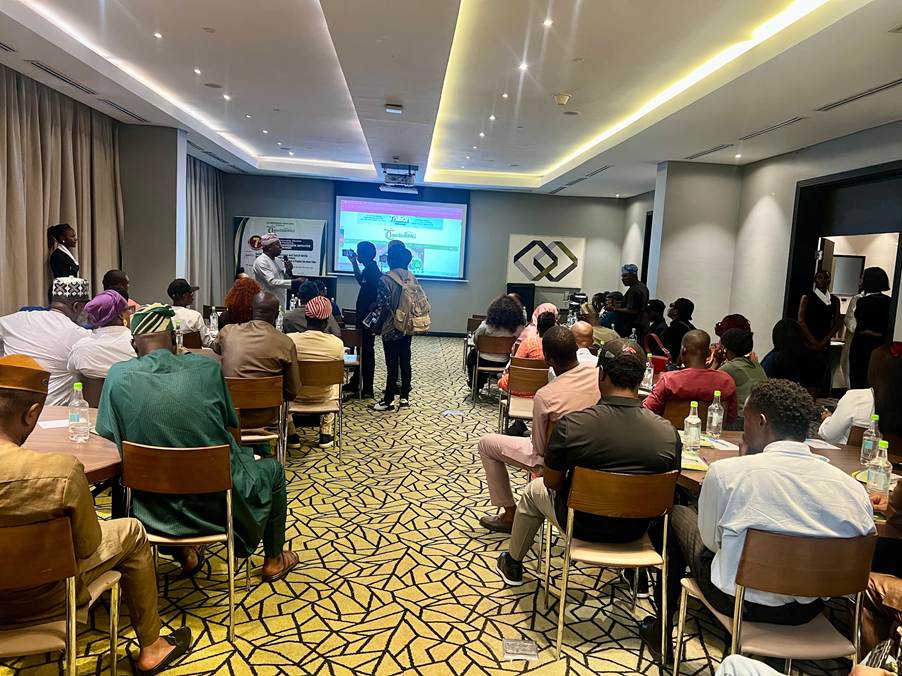
“The strength of our democracy will be measured by how truthfully we inform, engage, and hold ourselves accountable,” he said.
His remarks set the tone for conversations around balancing free speech with responsible communication, especially on social media platforms where information spreads within seconds.
One of the major highlights of the lecture was the discussion around monetisation and the pressure to go viral online.
Speaking on behalf of the Lagos State Commissioner for Information and Strategy, Kayode Oyekanmi noted that many people now prioritise engagement over accuracy.
From TikTok trends to WhatsApp broadcasts and Facebook posts, speakers warned that sensational content often spreads faster than verified information.
They also stressed that fake news goes beyond online arguments, noting that misinformation can damage reputations, create panic, and even trigger unrest within communities.
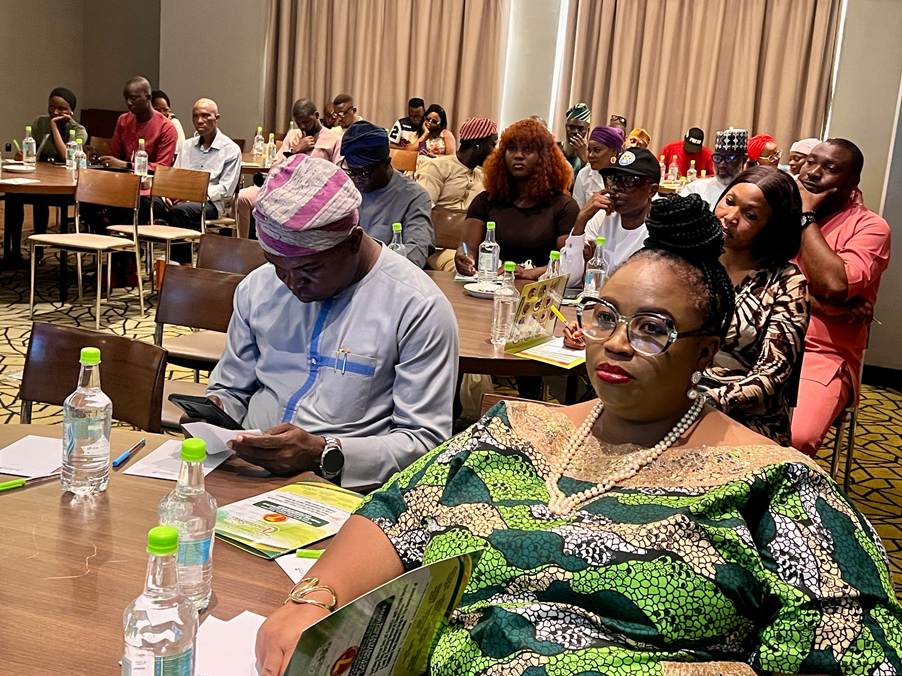
Cornelius Udofia, Director of Communications for Actors in Nigeria, called for more grassroots communication strategies.
According to him, information becomes more effective when delivered in languages people understand easily.
He encouraged agencies and media platforms to communicate more in local dialects such as Yoruba, Igbo, Hausa, and Ibibio to ensure messages reach every part of society clearly.
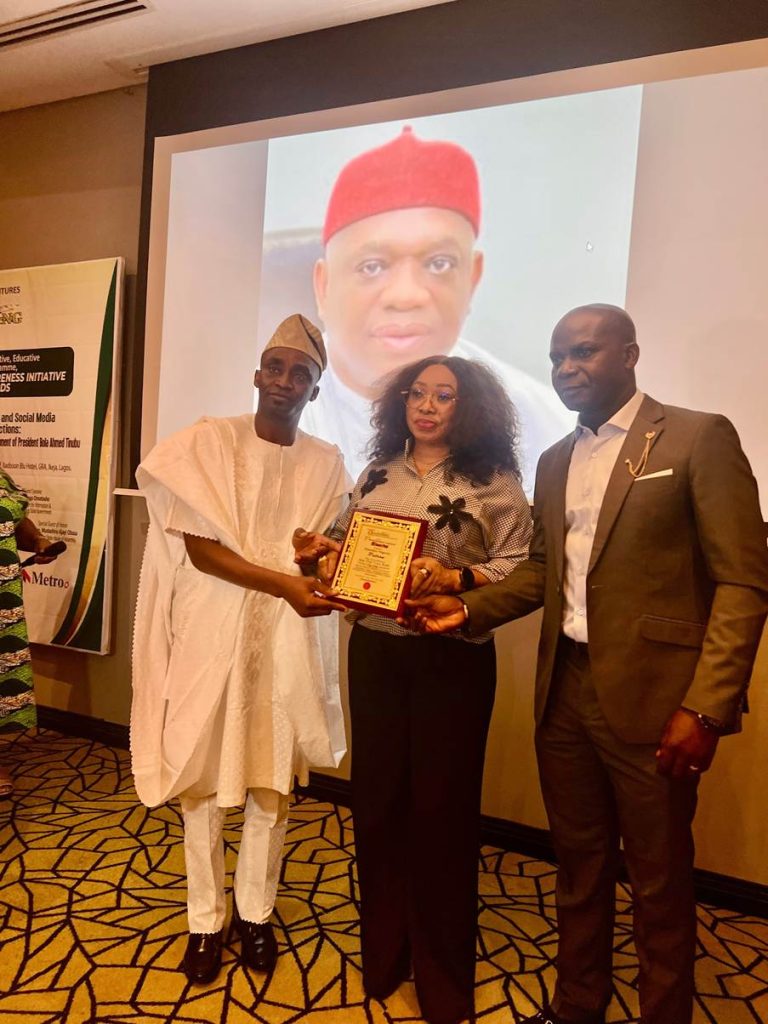
The event also celebrated many Government Officials contributing positively to public communication and information management.
The Lagos State Commissioner for Information and Strategy, Gbenga Omotoso, received recognition for his role in promoting transparent communication and strengthening engagement between government institutions and the public.
As misinformation continues to grow across digital platforms, conversations like this are becoming increasingly important, especially in busy media-conscious communities like Ikeja.
Because in today’s internet age, one false post can travel quickly but so can the truth when people choose responsibility over sensationalism.
💬 What do you think is the best way to tackle fake news and misinformation online? Drop your thoughts in the comments.