By Suad Ayinla
Edited by Bababunmi Agbebi
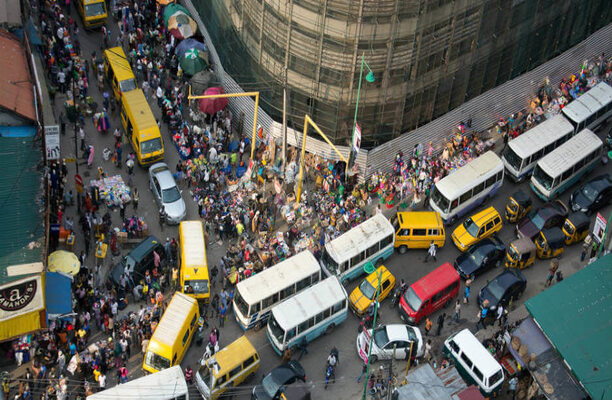
Lagos State Government has intensified a sweeping clampdown on traffic indiscipline and illegal property developments, in a campaign officials say is aimed at tackling congestion, reducing accidents and protecting the city’s fragile environment.
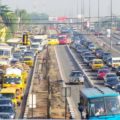
In recent weeks, traffic officers and enforcement teams have been more visible on major corridors and inner-city roads, targeting offences such as driving against traffic, illegal parking, loading and off‑loading on highways, and disregard for traffic lights and lane markings. Dozens of commercial and private vehicles have been impounded, with drivers facing fines and mandatory appearances before traffic tribunals.
Commercial bus operators complain that the tougher enforcement is squeezing their already thin margins, as routine shortcuts and roadside stops now risk the loss of a day’s earnings or more. Many argue that poor road design and the lack of properly marked bus stops make full compliance difficult. Commuters, however welcome measures they believe can reduce crashes and travel times.
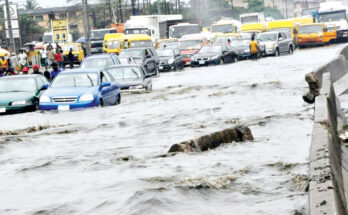
At the same time, planning authorities have moved against structures found to be sitting on drainage channels, floodplains and wetlands, issuing demolition notices and sealing some properties. Government officials insist that uncontrolled development has worsened flooding and infrastructure strain, and say only buildings that violate approvals or obstruct critical drainage are being targeted.
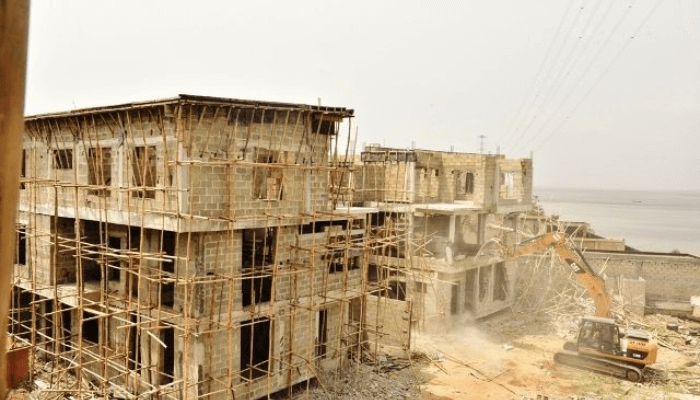
State officials frame the twin campaign as part of a broader push for a “safer, more orderly Lagos”, arguing that strict enforcement of traffic laws and planning regulations is essential in a fast‑growing megacity. They insist the goal is long‑term safety and sustainability, not revenue generation or arbitrary punishment.
With enforcement ongoing, the big questions for many Lagosians are whether these measures will be applied fairly, balanced with infrastructure improvements and affordable housing, and whether the promised benefits of safer roads, less flooding, and more organised growth will be visible beyond headline‑grabbing crackdowns.