By Bababunmi Agbebi
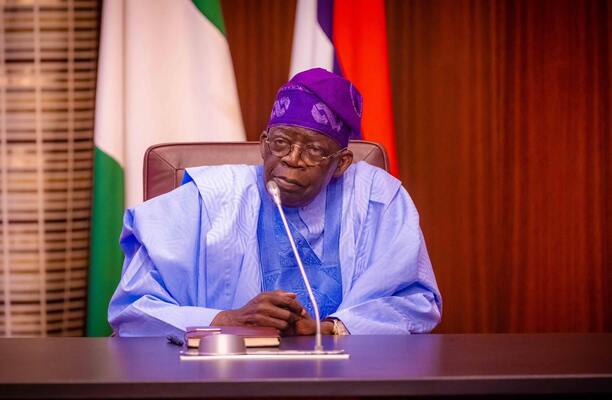
President Bola Tinubu has ordered an investigation into the activities of major digital platforms, including Google and Facebook, following complaints from Nigerian media organisations over the growing dominance of global tech companies in the country’s advertising market.
The move comes amid longstanding concerns that while local media organisations invest heavily in producing news and original content, a significant share of digital advertising revenue is increasingly flowing to international technology platforms. Media stakeholders argue that this trend has weakened the financial sustainability of newspapers, television stations, radio broadcasters and digital publishers across Nigeria.
The Federal Government’s decision is expected to examine whether the operations of these platforms create an uneven playing field for Nigerian media businesses and whether new policies are needed to ensure fair competition within the country’s digital economy.
Over the last decade, advertising has shifted rapidly from television, radio and newspapers to digital platforms. Businesses now spend much of their marketing budgets on targeted online advertising through platforms such as Google and Facebook because of their extensive audience reach and sophisticated advertising tools.
As a result, many traditional media organisations have experienced declining advertising revenue despite continuing to invest in journalists, newsrooms, equipment and quality content production.
Industry stakeholders believe that a more balanced digital advertising ecosystem could help local media organisations remain financially viable while strengthening public interest journalism.
Although the review is primarily driven by concerns from media organisations, social media influencers could also feel its effects.
If the government introduces new regulations affecting digital advertising or platform operations, brands may review how they distribute their marketing budgets. While influencer marketing is unlikely to disappear, businesses could diversify their spending by allocating more resources to local media partnerships alongside influencer campaigns.
Some influencers may also benefit if new policies encourage greater collaboration between digital creators and established media organisations through sponsored content, branded campaigns and cross-platform productions.
However, any major regulatory changes affecting advertising systems, platform policies or monetisation models could require influencers to adapt their business strategies and explore additional income streams.
For broadcasters, newspapers and digital publishers, the government’s action could open opportunities to regain a larger share of advertising revenue if reforms create a more equitable marketplace.
It may also encourage stronger investment in quality journalism, digital innovation and multimedia storytelling as local media compete for audiences across both traditional and online platforms.
Media organisations that successfully combine credible reporting with engaging digital content are likely to be best positioned to benefit from any future policy changes.
The investigation reflects a broader global conversation about the influence of large technology companies on local media industries. Several countries have introduced or considered measures requiring digital platforms to negotiate with news organisations or contribute financially to the news ecosystem where they benefit from locally produced journalism.
Whether Nigeria follows a similar path remains to be seen. For now, the government’s review signals its intention to examine the relationship between global technology companies and the country’s media industry more closely.
For media professionals, advertisers, influencers and content creators, the outcome could shape the future of digital advertising, content distribution and media sustainability in Nigeria for years to come.