By Toochi Ejiofor
Edited by Bababunmi Agbebi
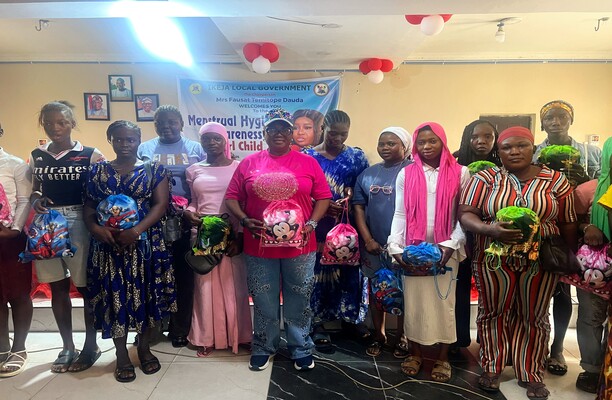
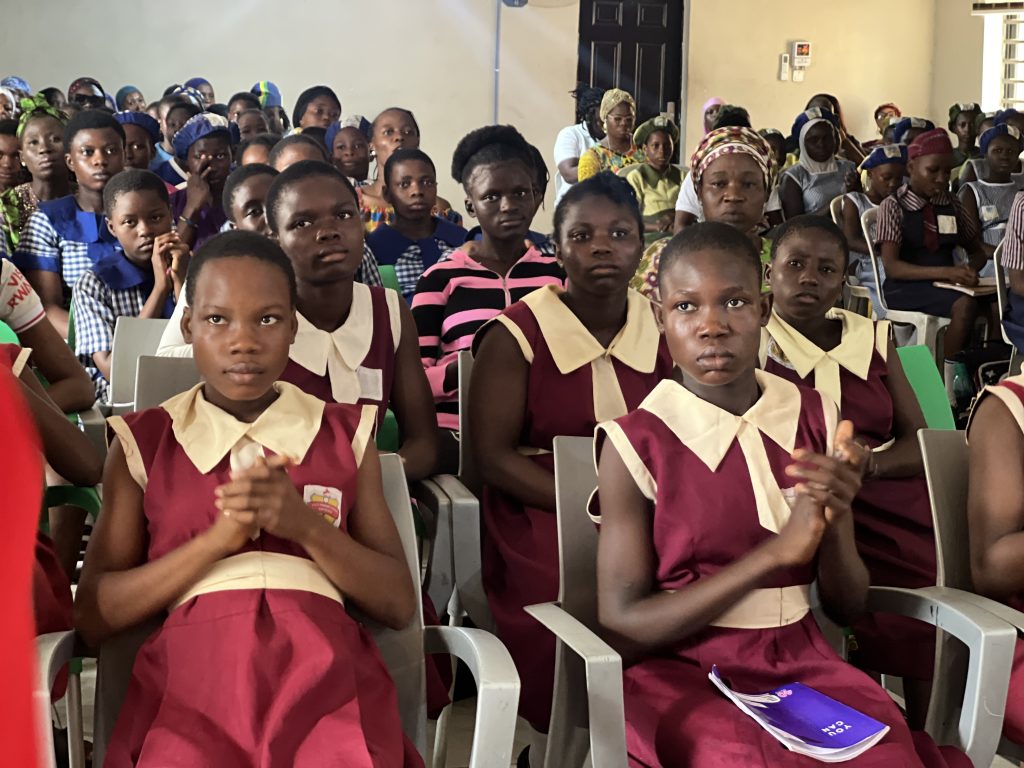
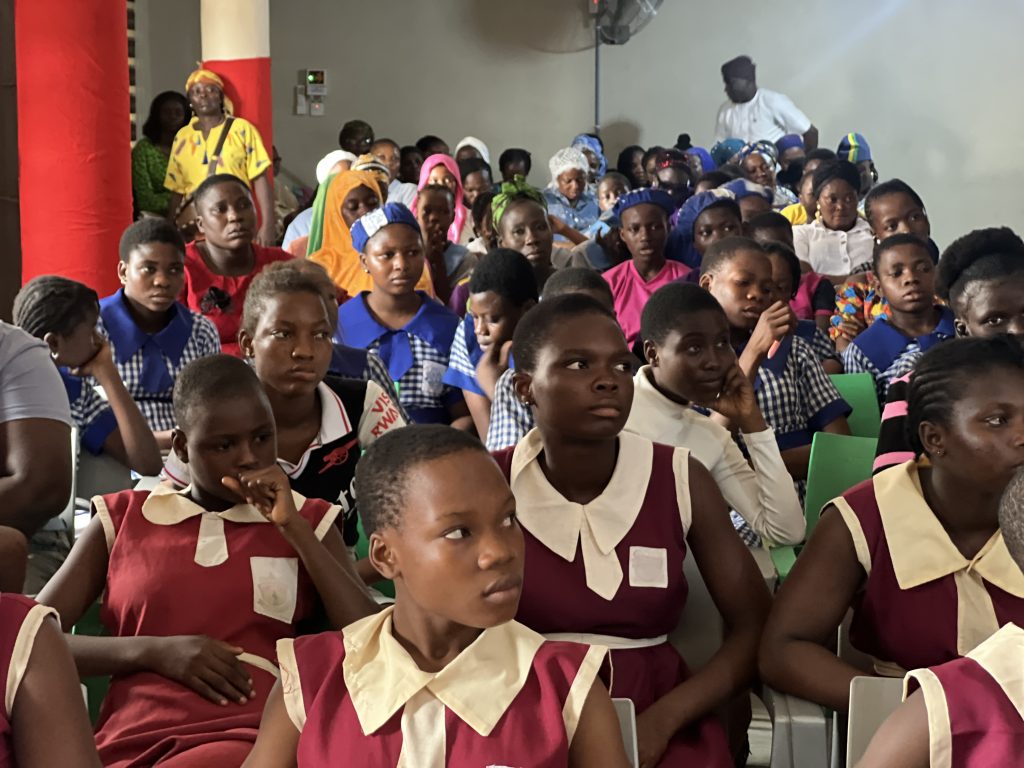
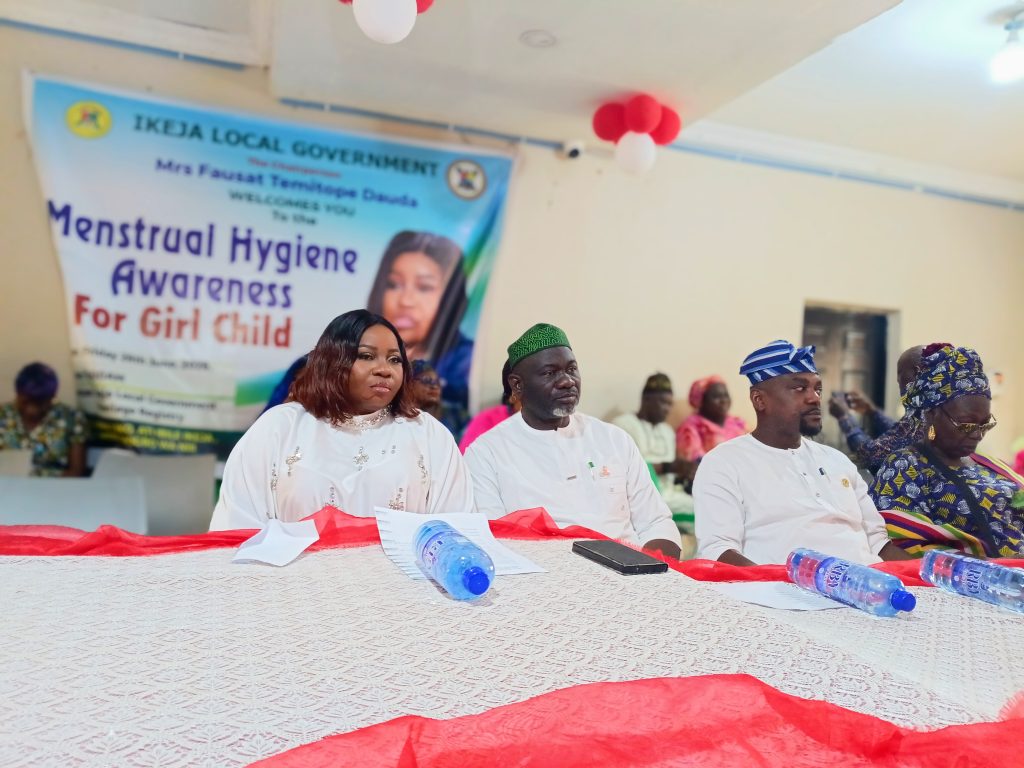
In a move aimed at promoting health education, Ikeja Local Government has hosted a Menstrual Hygiene Awareness for Girl Child programme.
The initiative focuses on educating girls about menstrual health, hygiene practices, and the importance of breaking the stigma surrounding menstruation. The event created a safe space for open conversations, helping participants better understand their bodies and the need for proper menstrual care.
Speaking at the programme, Dauda emphasized the importance of equipping girls with the right knowledge and resources to manage their menstrual health confidently, noting that menstrual hygiene is essential to their overall well-being.
“The onset of menstruation can bring anxiety and confusion, particularly if adequate information and resources are not available for you as girls. That’s why the awareness program on menstrual hygiene management is very important,” she stated.
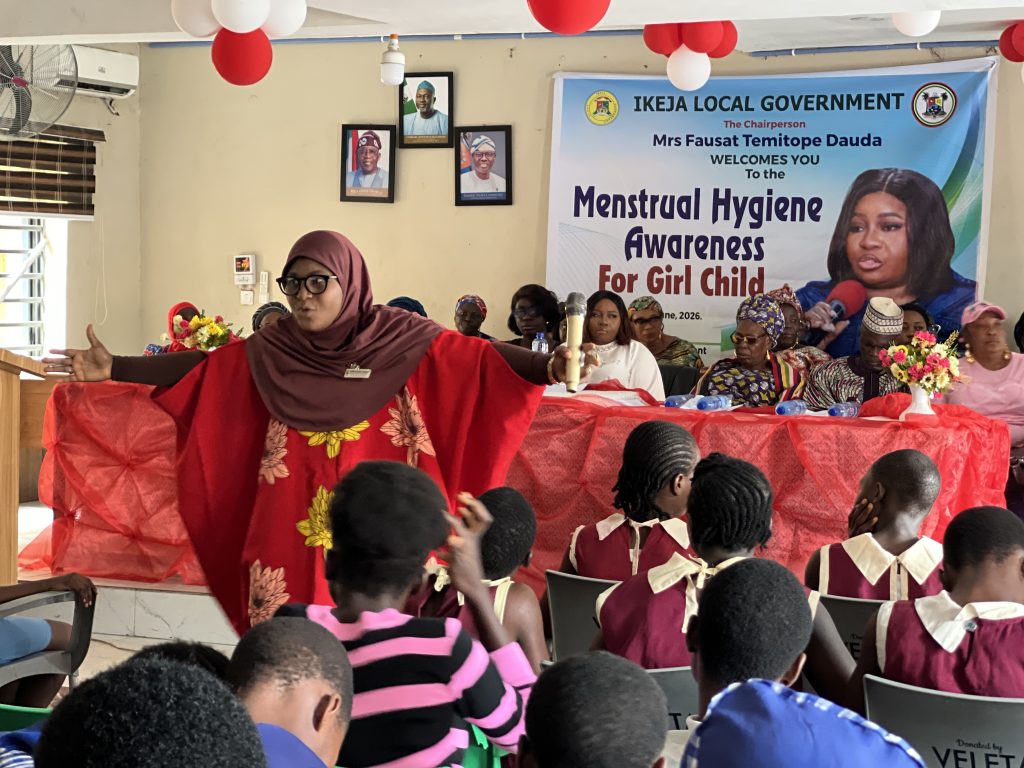
The awareness session featured a robust talk by Rashidat Sanni-Afolabi, the Health Education Officer at Lagos State Primary Health Care Board, who educated the girls on the female reproductive system, puberty, the menstrual cycle, proper nutrition, and menstrual hygiene practices to prevent infections.
She also highlighted healthy habits during menstruation, including proper use and disposal of sanitary pads, and addressed common misconceptions among adolescents. Part of the sensitization focused on debunking myths and stressing the importance of accurate reproductive health education.
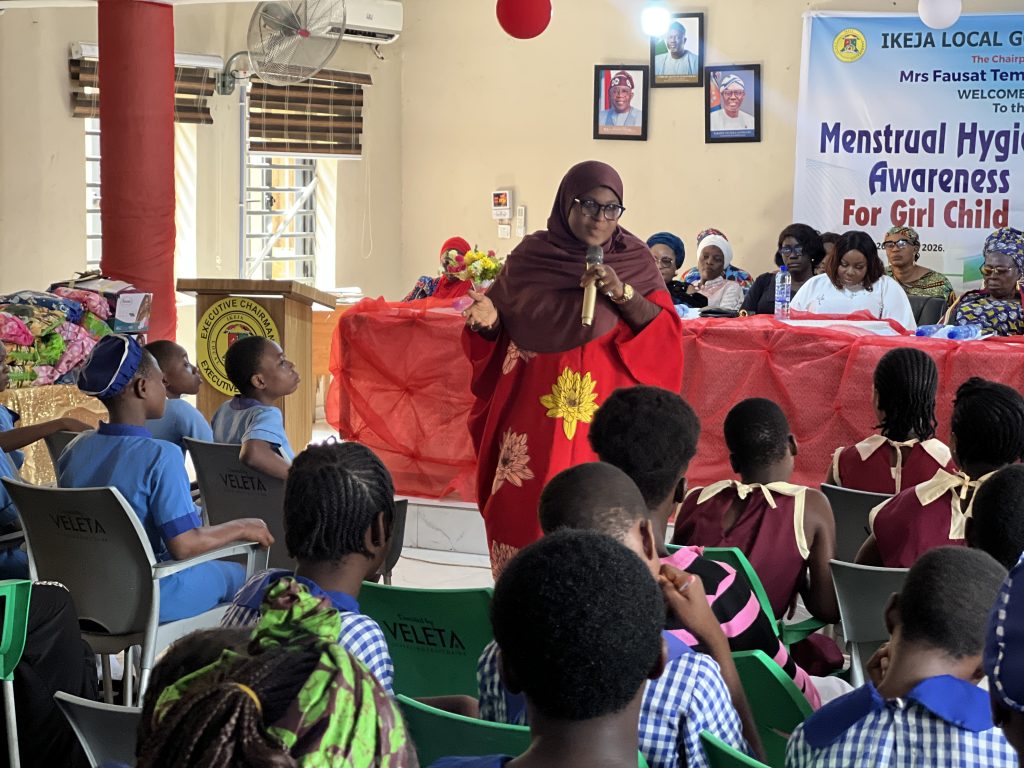
At the end of the session, sanitary pads, water bottles, and educational materials were distributed to the students to support their menstrual hygiene journey.
Beneficiaries of the programme included pupils from Anifowoshe Primary School, Tokunbo Alli Primary School, Adeniyi Jones Primary School, Agidingbi Primary School, Sogunle Primary School, Onilekere Junior High School, St. Peter’s Primary School, and others.
The programme reflects Ikeja Local Government’s commitment to supporting students beyond the classroom by addressing key health and welfare issues that impact their well-being.