By Suad Ayinla
Edited by Bababunmi Agbebi
For many Nigerians, buying food has always been a simple decision: find something affordable, filling and tasty. But these days, another question is becoming increasingly difficult to ignore: how safe is the food we eat? From meals sold by the roadside to products displayed in supermarkets, concerns about food adulteration, contamination and poor handling are forcing consumers to pay closer attention to what they put on their plates.
In Lagos, concerns about food safety have continued to draw attention, with officials and experts warning about problems across the food supply chain. These concerns range from poor hygiene and improper storage to the production and sale of adulterated food. For consumers who depend on markets, food vendors and packaged products every day, the challenge is knowing whether what looks safe is actually safe.
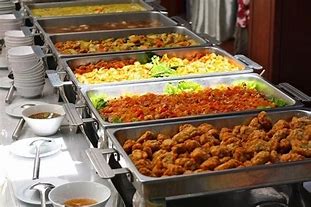
Roadside food vendors are often the first to face questions about hygiene. Food may be prepared in crowded environments, exposed to dust or stored for long periods without adequate temperature control. Yet, for millions of Nigerians, these vendors remain an important part of daily life. Their meals are often cheaper, quicker and more accessible than eating at restaurants, making it difficult for many consumers to simply stop buying from them.
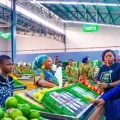
But supermarkets are not automatically a guarantee of safety either. Packaged food can be counterfeit, improperly stored or sold after its quality has deteriorated. The discovery of fake or unregistered products in the market has repeatedly reminded Nigerians that attractive packaging and familiar brand names do not always tell the full story. This leaves consumers having to check labels, expiry dates, registration numbers and the condition of products before making a purchase.
The problem becomes even more complicated when affordability enters the picture. With the rising cost of food, many Nigerians are already struggling to provide regular meals for themselves and their families. For some, choosing the cheapest option is not necessarily a preference but a necessity. Asking people to consistently pay more for food from trusted sources becomes difficult when household budgets are already stretched.
This is why food safety cannot be left entirely in the hands of consumers. Regulators need to strengthen inspections and enforcement, while food businesses must maintain proper hygiene from production to the point of sale. Vendors also need access to better information and facilities that allow them to prepare and store food safely. Consumers, on their part, must remain alert and report suspicious products or unsafe practices when they encounter them.
Food is a basic necessity, not a luxury that Nigerians should have to gamble with. Whether it is a plate of rice bought from a roadside vendor or a packaged product picked from a supermarket shelf, people should be able to trust that what they are buying will not put their health at risk.
So, from the roadside to the supermarket, can Nigerians still trust what they eat or has food safety become another thing we simply have to figure out for ourselves?