
By Suad Ayinla
Edited by Bababunmi Agbebi
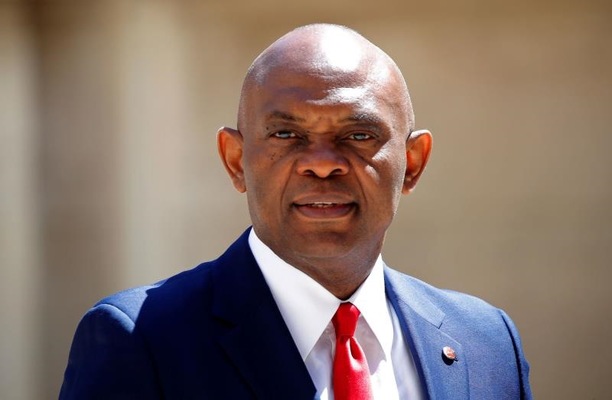
Is calling your boss by their first name a sign of confidence, or a lack of respect? That question is at the centre of a growing online conversation following a viral exchange between UBA Group Chairman Tony Elumelu and a graduate trainee.
During a recent interaction with graduate trainees, a young woman addressed Elumelu as “Tony” while asking her question. Elumelu stopped her and made it clear that he preferred to be addressed as “Mr Elumelu” or “TOE.” The brief exchange quickly spread online, with Nigerians debating whether the trainee had breached an important rule of workplace etiquette or had simply followed the increasingly informal culture found in many modern workplaces.
For many Nigerians, particularly those entering the corporate world, titles such as “Sir,” “Ma,” “Mr,” “Mrs” and professional designations remain an important part of showing respect. In more traditional workplaces, addressing a senior executive by their first name without being invited to do so can easily be interpreted as being overly familiar. However, younger workers are entering workplaces where hierarchy is sometimes deliberately downplayed, with employees encouraged to communicate with senior colleagues more casually and directly.
The controversy also highlights a gap that young graduates may encounter when transitioning from school into professional life.
Workplace etiquette is not always written in an employee handbook. Understanding how to address senior colleagues, communicate with managers, participate in meetings and navigate different organisational cultures often comes with experience. What may be considered perfectly normal in one company could be viewed as inappropriate in another.
At the same time, the incident raises questions about how much emphasis should be placed on titles in today’s workplace. Respect should arguably be reflected not only in the words employees use but also in their attitude, professionalism, competence and treatment of others. A first name does not automatically mean disrespect, just as using a title does not automatically mean someone is respectful.
The Tony Elumelu incident has therefore become bigger than a single exchange between a business leader and a graduate trainee. It has opened a conversation about generational differences, corporate culture and the unwritten rules young Nigerians must learn when entering the workforce. Perhaps the safest lesson for young professionals is simple: when entering a new workplace, observe first, understand the culture and follow the preferred form of address until you are told otherwise.
So, in today’s Nigerian workplace, should calling your boss by their first name be considered disrespectful or is it time to rethink the traditional rules of corporate etiquette?