
By Bababunmi Agbebi
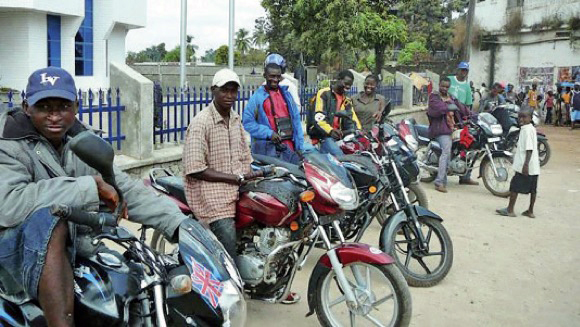
Barely four years after the Lagos State Government intensified the enforcement of restrictions on commercial motorcycles, popularly known as okadas, many residents say they are gradually making a comeback in areas where they were once rarely seen.
From Yaba to Surulere and parts of Ikeja, commercial motorcycles are increasingly visible, operating on roads where their activities remain prohibited under the state’s traffic regulations.
For many commuters, the return of okadas has become both a convenience and a concern. While they offer a quick alternative to the city’s persistent traffic congestion, their growing presence raises questions about road safety, compliance with existing laws and the effectiveness of enforcement.
In communities such as Yaba, Ojuelegba, Tejuosho, Mushin axis, Computer Village and parts of Ikeja, residents report seeing commercial motorcycles transporting passengers openly, particularly during peak traffic hours.
Some operators now wait openly at road junctions and bus stops, a practice that had significantly reduced following the government’s enforcement drive in recent years.
For commuters pressed for time, the temptation is understandable. A journey that could take over an hour by road may be completed in less than 20 minutes on a motorcycle. This demand continues to fuel the gradual return of operators despite existing restrictions.
Lagos remains one of Africa’s busiest cities, with millions of daily commuters navigating heavy traffic.
Several factors appear to be driving the renewed patronage of commercial motorcycles:
- Persistent traffic congestion across major roads.
- Limited last-mile transport options in some communities.
- Rising transportation costs.
- The speed and flexibility motorcycles provide during rush hours.
For many commuters, convenience often outweighs concerns about legality or safety.
The Lagos State Government has consistently defended the restrictions on commercial motorcycles by citing safety and security concerns.
Over the years, authorities have linked reckless riding, fatal road crashes and criminal activities to the unregulated operation of some commercial motorcycle operators.
Road safety advocates argue that relaxing enforcement could reverse gains made in reducing motorcycle-related accidents and improving traffic order.
Emergency responders have also repeatedly warned about the severity of injuries resulting from motorcycle crashes, many of which involve passengers without protective helmets.
Now, the growing visibility of okadas in restricted areas has prompted fresh questions about enforcement.
Residents say task force operations appear less frequent than they were during the peak of enforcement campaigns, while some operators seem increasingly confident operating in broad daylight.
Although enforcement exercises still occur periodically they are no longer as sustained or widespread.
Whether this reflects changing operational priorities, limited manpower, or a tactical shift in enforcement is unclear.
The gradual return of okadas to roads where they remain prohibited presents Lagos with a familiar dilemma.
The key question is no longer whether commercial motorcycles are returning, they visibly are in several locations. The bigger challenge is whether Lagos can strike a balance between effective enforcement and providing transport alternatives that meet the needs of its growing population.
Until then, the sight of okadas weaving through traffic in restricted areas may continue to become an increasingly common feature of daily life in Lagos.