
By Bababunmi Agbebi
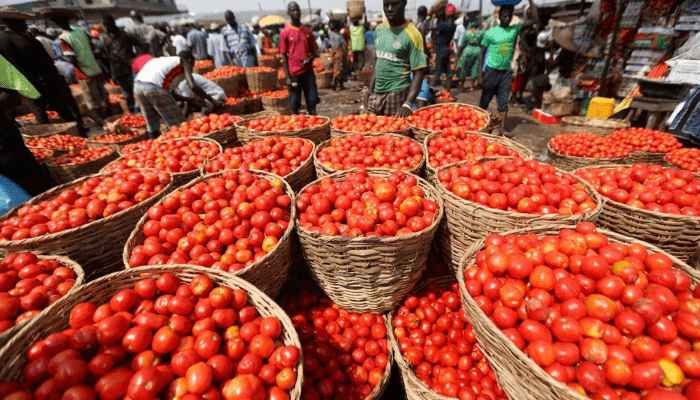
The Lagos State Consumer Protection Agency (LASCOPA) has issued a strong public health warning to consumers against the purchase and consumption of spoiled or rotten tomatoes being circulated in markets across Lagos and other parts of Nigeria. The agency emphasized that consuming deteriorated food products poses significant health risks and could lead to severe foodborne illnesses.
This warning comes amid increasing concerns over food preservation practices, rising food prices, and the tendency of some traders to sell partially spoiled agricultural products to unsuspecting consumers.
Tomatoes are highly perishable agricultural products that can quickly deteriorate when improperly stored or transported. Spoiled tomatoes may harbour harmful microorganisms such as bacteria, fungi, and Molds capable of producing dangerous toxins.
According to health experts, consuming rotten tomatoes may result in:
- Food poisoning
- Stomach infections
- Diarrhoea and vomiting
- Typhoid-related complications
- Gastrointestinal disorders
- Weakened immune response
In severe cases, contaminated food can pose life-threatening risks, particularly for children, pregnant women, the elderly, and individuals with compromised immune systems.
LASCOPA reiterated its commitment to protecting consumer rights and promoting public safety across Lagos State. The agency advised consumers to exercise caution when purchasing fresh produce and to avoid products showing signs of spoilage such as:
- Offensive odour
- Mold growth
- Soft or watery texture
- Discoloration
- Leakage or excessive bruising
The agency also urged food vendors, market operators, and distributors to maintain proper hygiene and storage standards in line with food safety regulations.
To safeguard public health, consumers are encouraged to adopt the following preventive measures:
- Carefully inspect tomatoes before purchase.
- Wash fruits and vegetables thoroughly before consumption.
- Store tomatoes in cool, dry conditions.
- Avoid purchasing visibly damaged or overripe produce.
- Report unethical market practices to relevant authorities.
LASCOPA also encouraged residents to remain vigilant and report cases involving the sale of unsafe food products to the agency for prompt investigation and enforcement action.
Food safety remains a critical public health issue in Nigeria. Experts have consistently called for stronger monitoring systems, improved agricultural supply chains, and stricter enforcement of consumer protection regulations to reduce the circulation of contaminated food products.
Government agencies, market associations, and health institutions must collaborate to improve awareness, strengthen inspections, and ensure compliance with food safety standards.
The warning issued by LASCOPA serves as an important reminder of the dangers associated with consuming spoiled food products. Consumers must remain cautious and prioritize their health by purchasing only fresh and properly preserved tomatoes and other perishable foods.
As food safety concerns continue to grow, collective responsibility among regulators, traders, and consumers will be essential in protecting public health and maintaining confidence in the food supply chain.