By Toochi Ejiofor
Edited by Bababunmi Agbebi
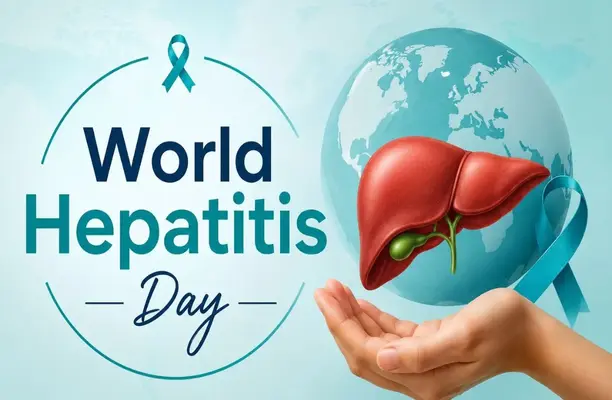
Every year on July 28, the world observes World Hepatitis Day to raise awareness about hepatitis, a disease that affects millions of people but often goes unnoticed.
Globally, hepatitis remains a major public health challenge. The World Health Organization (WHO) estimates 287 million people were living with chronic hepatitis B or C in 2024.
In Nigeria, the burden is particularly high, with more than 20 million people living with hepatitis B or C, while around 80% are unaware they are infected. This is because hepatitis can remain silent for years without obvious symptoms.
Here are five important things every Nigerian should know about hepatitis.
- Hepatitis is Often Called the ‘Silent Disease’
Unlike many illnesses that cause immediate symptoms, hepatitis B and hepatitis C can quietly damage the liver for years. Many people only discover they have the disease during routine medical tests or after developing complications such as liver cirrhosis or liver cancer. That is why health experts recommend regular screening, especially for people who have never been tested.
- Not Every Hepatitis is the Same
There are five main types of viral hepatitis: A, B, C, D and E. While hepatitis A and E are commonly spread through contaminated food or water and usually cause short-term illness, hepatitis B and C are of greater concern because they can become chronic and lead to lifelong liver damage if left untreated. In 2024, 1.3 million people died from chronic hepatitis B and C. Hepatitis B is spread through infected blood and body fluids, including from mother to child during childbirth, while hepatitis C is primarily transmitted through infected blood.
- You May Be at Risk Without Knowing
Many Nigerians assume hepatitis only affects certain groups of people, but anyone can become infected. Risk factors include:
- Unprotected sex.
- Sharing needles or other sharp objects.
- Receiving unscreened blood.
- Unsafe tattooing or body piercing.
- Transmission from an infected mother to her baby during childbirth.
Because many infected people feel completely healthy, testing remains the only reliable way to know your status.
- Hepatitis Can Be Prevented and Treated
One of the biggest misconceptions is that nothing can be done about hepatitis. A safe and effective vaccine is available for hepatitis B and is included in Nigeria’s routine childhood immunisation schedule. Although there is no vaccine for hepatitis C, it can now be cured with antivirals in many cases if diagnosed early. Doctors also advise avoiding sharing of razors, toothbrushes and needles, practising safe sex, and ensuring that medical procedures are carried out with properly sterilised equipment.
- Early Testing Can Save Your Life
The earlier hepatitis is detected, the better the chances of preventing serious liver damage. Health experts encourage Nigerians to get tested even if they have no symptoms, particularly if they have never been screened before or believe they may have been exposed to the virus. Knowing your hepatitis status also helps protect your loved ones, as those who test negative for hepatitis B can receive the vaccine, while those who test positive can begin appropriate care and treatment.
Hepatitis is preventable, treatable and, in some cases, curable. Yet millions of Nigerians continue to live with the virus without knowing it. Vaccination remains one of the most effective ways to prevent hepatitis B, however, WHO reports that only 45% of babies worldwide received the hepatitis B vaccine within 24 hours of birth.
As the world marks World Hepatitis Day 2026, the message is clear: Get tested, know your status, get vaccinated, and encourage those around you to do the same. Early action can prevent severe liver disease and save lives!
Share this article with your family and friends so they can be better informed.