
By Chiagoziem Abosi
Edited by Bababunmi Agbebi
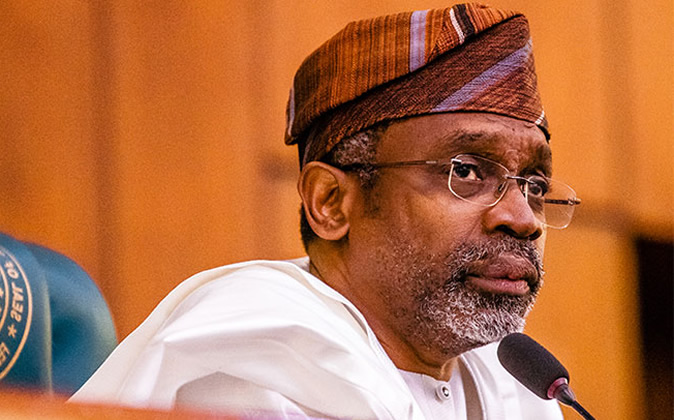
President Bola Tinubu has appointed his Chief of Staff, Femi Gbajabiamila, to chair a committee responsible for drafting Nigeria’s proposed National Policing Bill, a move that has generated fresh public debate given the recent criticism surrounding his office.
The committee, inaugurated by the President, is expected to review Nigeria’s policing framework and produce legislation aimed at strengthening law enforcement and improving security nationwide. However, the appointment has also reignited conversations online, with some Nigerians questioning why Gbajabiamila continues to receive high-profile national responsibilities despite recent controversies linked to the Presidency.
According to the Presidency, the committee will consult widely with stakeholders before producing a National Policing Bill that aligns with ongoing police reforms. Beyond Gbajabiamila, the committee includes representatives from relevant ministries, security agencies, legal institutions and civil society. The proposed legislation is expected to provide a clearer legal framework for policing and public safety in Nigeria.
Although critics have referenced Gbajabiamila because of his role as Chief of Staff, no official investigation or court has found him personally guilty of wrongdoing, nor has the Federal Government announced any disciplinary action against him in connection with the allegations. The controversy has largely played out in the court of public opinion rather than through any formal finding of misconduct.
That distinction is important. Public criticism alone is not proof of culpability, and under Nigerian law, allegations remain allegations unless established through due process.
Supporters of the appointment point to Gbajabiamila’s legislative experience. Before becoming Chief of Staff, he served for years in the National Assembly and was Speaker of the House of Representatives, where he played a central role in the passage of several bills. That experience in lawmaking is widely seen as one reason he was selected to lead a committee tasked with drafting new legislation.
Critics, however, argue that appointments to such strategic national assignments should also take public perception into account, especially at a time when confidence in public institutions remains under scrutiny.
For residents of Ikeja and other parts of Lagos, the bigger issue may not simply be who chairs the committee, but whether the proposed National Policing Bill will lead to meaningful improvements in community safety, police accountability and public trust.
As work on the bill begins, attention is likely to remain focused on both the committee’s recommendations and the choice of those entrusted to lead the process.
Do you think experience should be the deciding factor when making public appointments, or should public perception and ongoing controversies also carry significant weight? Share your thoughts in the comments and follow IkejaBird Media for more stories that explain the issues behind the headlines.
Recommended posts:
 Thank you, Mr president: Femi Gbajabiamila appreciate President Tinubu for making him chief of staff
 Two weeks in office: 10 Things that President Bola Ahmed Tinubu has done
 Nigerian student rejoices: President Tinubu signs student loan bill into law
 Nigeria Takes Bold Action Against Organ Trafficking With New Healthcare Ethics Reforms