By Suad Ayinla
Edited by Bababunmi Agbebi
Access to healthcare is a major concern for many Nigerians, particularly pregnant women who depend on public hospitals for antenatal care and safe delivery. For expectant mothers, getting medical attention is not simply a matter of convenience; it can be essential to protecting their lives and the lives of their unborn children.
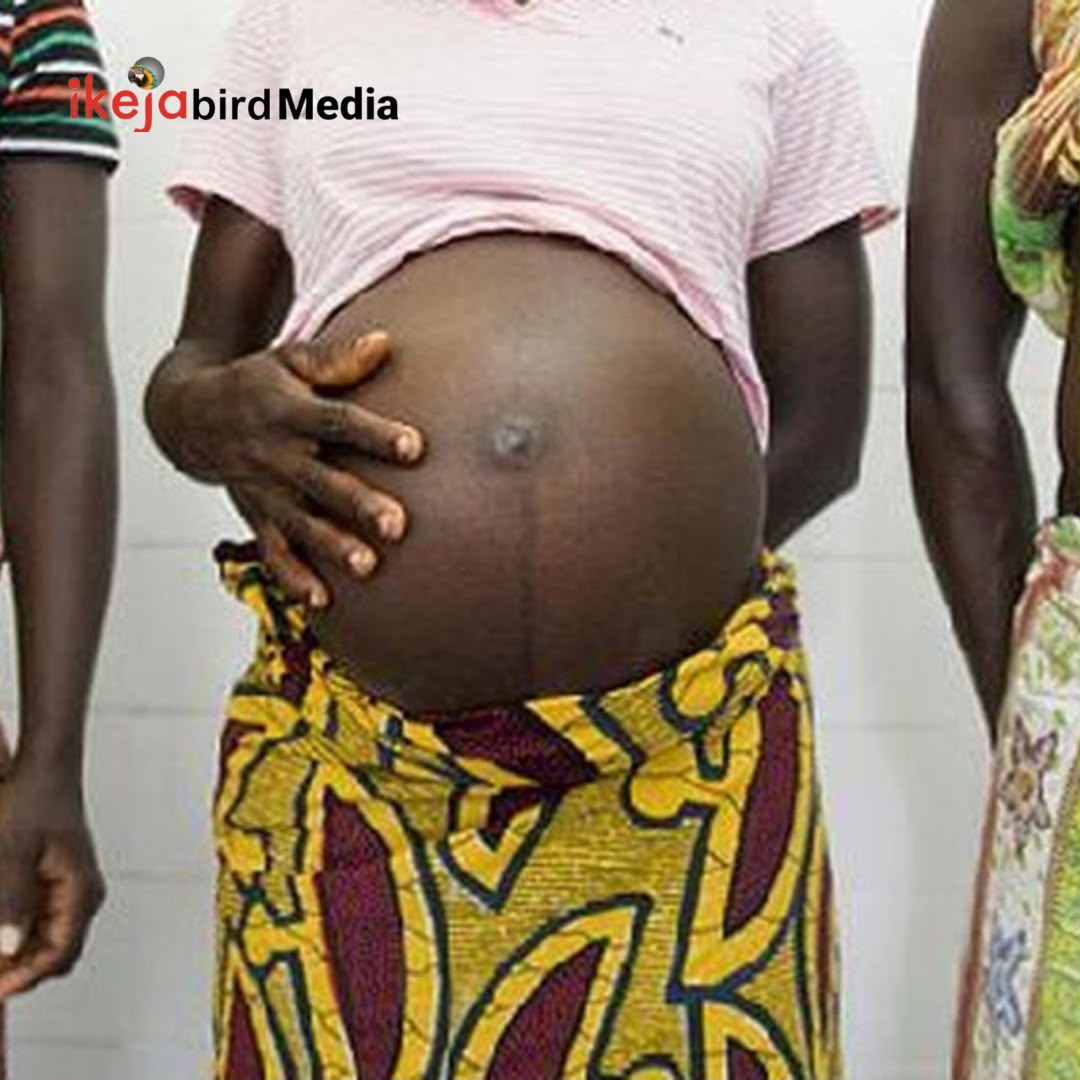
This concern came into focus in Lekki, Lagos, after more than 30 pregnant women were reportedly left stranded at a government hospital after being informed that the registration quota had been reached. The situation drew attention to the challenges expectant mothers may face when public healthcare facilities struggle to accommodate the number of people seeking treatment.
Following the incident, the Lagos State Commissioner for Health reportedly intervened, while the hospital management directed that the affected women be registered. Although the intervention offered a way forward for those involved, the incident raised a broader question about the capacity of public hospitals to meet the healthcare needs of growing communities.
For a pregnant woman, being unable to register at a hospital can create uncertainty about where to receive regular check-ups, obtain medical advice and prepare for delivery. Antenatal care helps healthcare professionals monitor the health of both mother and baby, identify potential complications and provide guidance throughout pregnancy. Delays or disruptions in accessing these services can be particularly concerning for women who cannot afford private healthcare.
The pressure on public hospitals also highlights the financial challenges many families face when seeking medical treatment. Private hospitals may offer another option, but their fees can be beyond the reach of low-income earners and families already struggling with food, transport, rent and other basic expenses. When public facilities cannot accommodate patients, some families may be forced to search for alternatives they had not budgeted for.
The incident also raises questions about hospital staffing, available facilities, funding and the planning required to meet growing demand for healthcare. While individual hospitals may face practical limitations, authorities must ensure that registration systems and patient-management procedures do not leave vulnerable people without clear guidance on where and how to obtain care.
Beyond the immediate response, the situation calls for attention to the long-term capacity of public healthcare facilities. Better planning, adequate staffing, improved infrastructure and effective referral arrangements could help hospitals manage patient numbers while ensuring that pregnant women receive timely attention. Clear communication is equally important so that patients understand their options when a facility reaches capacity.
Ultimately, the experience of the affected women in Lekki is a reminder that access to maternal healthcare must extend beyond the existence of a hospital building. Expectant mothers need a reliable system that can provide care throughout pregnancy, regardless of their financial circumstances.
As Lagos continues to grow, an important question remains: How can public hospitals be better equipped to ensure that no pregnant woman is left uncertain about where to receive the care she needs?