
By Suad Ayinla
Edited by Bababummi Agbebi
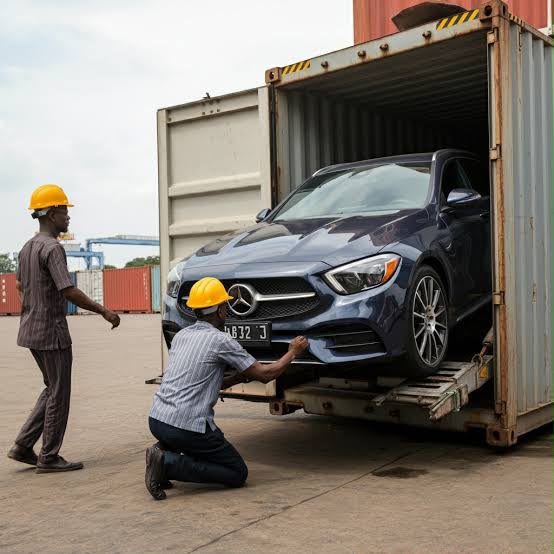
For many Nigerians looking to buy a car, the price displayed by a seller is often only the beginning of the financial commitment. After purchasing a vehicle abroad and paying for shipping, another major expense awaits at the port: customs clearance. What should be the final step before taking the car home can instead become one of the most frustrating parts of the process, with importers sometimes confronted with clearance bills that significantly increase the overall cost of the vehicle.
One of the factors that determines how much a vehicle costs to clear is the vehicle itself. The make, model, year, engine specifications, value and other details can affect the applicable customs assessment. This means there is no single amount that applies to every imported vehicle. A relatively inexpensive used car and a high-value luxury vehicle will not necessarily attract the same clearance cost. Nigeria Customs Service uses a Vehicle Identification Number (VIN) valuation system to determine vehicle values and applicable taxes, with the aim of making the process more transparent.
For car dealers, this creates a difficult business calculation. A dealer may purchase a vehicle abroad based on an estimated total cost, pay shipping and other expenses, and then discover that the final customs bill is higher than expected. When that happens, the additional cost has to be absorbed by the dealer or passed on to the eventual buyer. Either way, the situation can affect the price at which the vehicle eventually enters the Nigerian market.
The problem becomes even more frustrating when buyers have already negotiated a price with a dealer. A customer may see a vehicle advertised at an amount that appears affordable, only to discover that clearing, transportation and other associated expenses push the final price much higher. For someone working with a fixed budget, the difference can be enough to derail the entire purchase. Some buyers may have to look for additional funds, renegotiate with the seller or abandon the deal altogether.
For sellers, the uncertainty can be equally challenging. Car dealers need to consider customs charges before deciding how much to spend on a vehicle, but changes in valuation, exchange rates and other costs can make it difficult to predict the final price. A vehicle that looks profitable on paper can become less attractive after all the expenses are calculated. This is particularly difficult for smaller dealers who may not have enough capital to absorb unexpected increases without affecting their business.
Ultimately, the price of a car in Nigeria is no longer simply the amount written on the windscreen or advertised by a dealer. Behind that figure are shipping costs, customs assessment, taxes, exchange rates, clearing expenses and other charges that can quickly add up. For buyers and sellers already navigating a difficult economy, the question remains: when the cost of clearing a car can vary so significantly depending on the vehicle, how can Nigerians know what they will really pay before bringing a car home?