By Bababunmi Agbebi
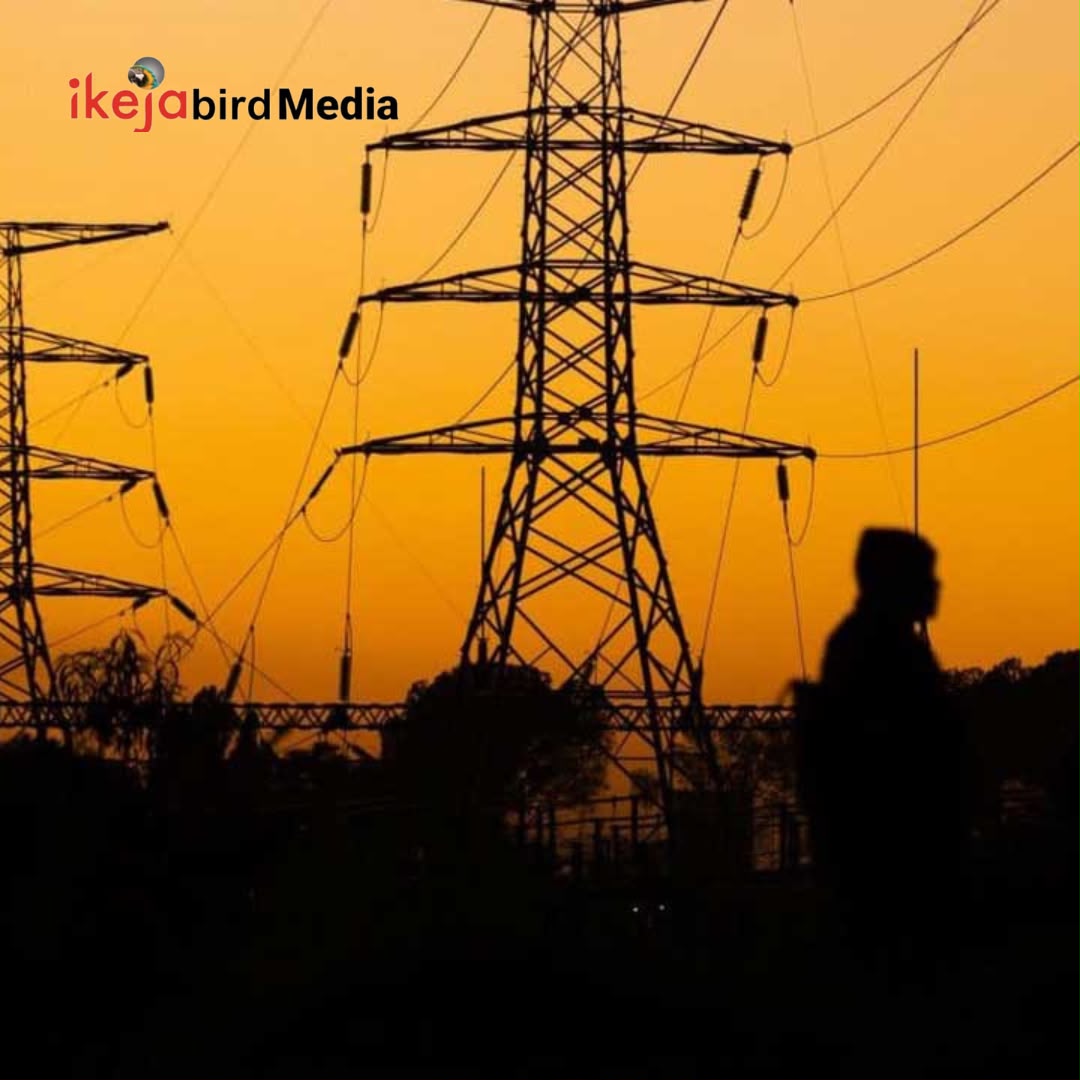
Lagos residents have been grappling with worsening electricity supply in recent weeks, raising concerns about the rising cost of living, the survival of small businesses and the increasing burden on households already struggling with economic pressures.
Across the state, unreliable power supply has made everyday activities more difficult, leaving residents to question how long they can continue to cope with prolonged outages and unpredictable electricity schedules. For many households, electricity is essential for preserving food, pumping water, cooling their homes, charging devices and carrying out daily domestic activities. When public power supply becomes unreliable, these basic needs become more expensive and challenging to meet.
The situation is particularly concerning for small business owners, artisans, traders and entrepreneurs whose livelihoods depend heavily on electricity. Barbers, tailors, food vendors, frozen-food sellers, laundry operators and other business owners may be forced to spend additional money on petrol, diesel or alternative power sources to keep their operations running.
Recent reports have linked reduced electricity supply across parts of Lagos to inadequate allocations from the national grid. On October 5, 2026, Ikeja Electric attributed reduced supply across its network to a shortfall in the electricity allocated to it. The company said it was engaging relevant stakeholders to improve supply.
With public electricity becoming less dependable, alternative power sources are increasingly important to households and businesses that can afford them. However, running generators comes with additional fuel and maintenance costs, while solar installations and inverter systems remain financially out of reach for many residents.
For low-income households and small businesses operating on narrow profit margins, these expenses can further strain already limited budgets. Business owners may have little choice but to increase prices, reduce operating hours or absorb additional costs, potentially affecting customers and workers alike.
The situation also raises questions about the value consumers receive for the money they spend on electricity. Residents who face prolonged outages may still have to contend with electricity bills, depending on their metering arrangements and applicable charges.
A May 2026 report by The Guardian highlighted continuing complaints about poor electricity supply despite higher tariffs, reflecting a wider national concern about the gap between the cost of electricity and the reliability of service.
The question now is how residents have managed to navigate the past two weeks of unreliable electricity supply.
Are families spending more on fuel to power their generators? Are business owners losing revenue because they cannot afford alternative electricity? Have some residents resorted to closing their shops earlier, changing their working hours or reducing their dependence on electrical appliances?
For residents working remotely, the challenge may mean searching for locations with reliable electricity or spending additional money to keep their laptops, phones and internet equipment running. For others, it may simply mean enduring hot nights, interrupted routines and the inconvenience of waiting indefinitely for power to return.
These experiences deserve attention because the electricity crisis is not merely a technical issue. It is a question of household welfare, economic survival and the quality of life in Nigeria’s commercial capital.
The Federal Government and Lagos State Government announced plans in October 2026 to work together on a 24-hour electricity pilot along the Lagos corridor, with the stated aim of improving power reliability for households, businesses and industries. However, residents experiencing current outages need timely information and practical improvements, not only long-term assurances.
Electricity distribution companies also need to communicate clearly with affected communities, provide updates on supply constraints and address local faults within reasonable timeframes. Where outages result from wider grid limitations, customers deserve transparent explanations of the situation and the steps being taken to improve supply.
Ultimately, the responsibility for a more reliable electricity system extends across the power value chain, from generation and transmission to distribution and regulation.
For Lagos residents, however, the immediate concern remains simple: when will electricity supply become reliable enough for households to plan their lives and businesses to operate without the constant fear of another blackout?
Until that question receives a satisfactory answer, many residents will continue to bear the financial and emotional costs of keeping their homes and businesses running.