
By Suad Ayinla
Edited By Bababunmi Agbebi
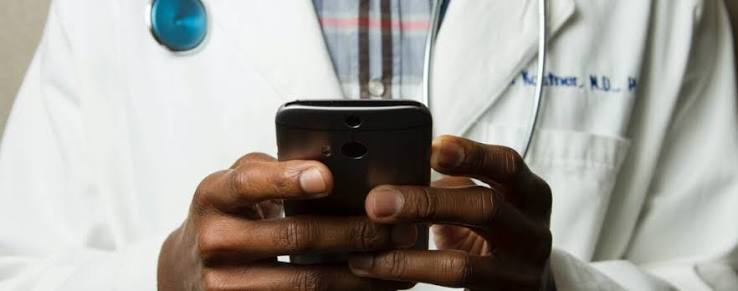
What happens when visiting a hospital becomes too expensive, stressful or time-consuming, while medical advice is only a few taps away? For many Nigerians, social media is increasingly becoming the first place they turn to when they experience health problems. From TikTok videos explaining symptoms to Facebook and Instagram posts recommending drugs, supplements and herbal remedies, people are searching online for answers before consulting healthcare professionals.
The growing trend reflects the challenges facing Nigeria’s healthcare system. High consultation fees, expensive medications, laboratory tests, transportation costs and limited access to quality healthcare have made hospital visits difficult for many households. For someone already struggling financially, searching for a free solution online can appear more practical than spending money on a hospital visit. A smartphone and an internet connection have, in many cases, become the cheapest form of health information available.
Social media itself is not necessarily the problem. Doctors, pharmacists and other healthcare professionals increasingly use platforms such as TikTok, Instagram, YouTube and X to educate Nigerians about diseases, symptoms, nutrition and preventive care. The danger begins when online information is mistaken for a diagnosis. Someone who watches a video describing symptoms similar to theirs may conclude that they have the same illness and begin taking medication without proper examination or testing.
The situation becomes even more worrying when unqualified individuals promote “miracle cures”, unverified herbal mixtures or medications online. What appears to be harmless advice can have serious consequences, including side effects, drug interactions and delayed treatment. However, blaming patients alone ignores the economic reality behind their choices. When healthcare is difficult to afford, self-diagnosis can become less about ignorance and more about trying to manage a problem with the limited resources available.
Nigeria therefore faces a challenge that goes beyond social media misinformation. The country needs more affordable and accessible healthcare, while medical professionals and health institutions must do more to provide credible information online. Nigerians, on their part, should verify health claims and seek professional care when symptoms persist or become serious. Social media can provide information, but it cannot replace a doctor, physical examination or medical test. If Nigerians are increasingly turning to their phones before turning to hospitals, is social media really the problem or is it exposing the gaps in the healthcare system?



Social media is doing them more harm than good.
Social media is doing them more harm than good.
No social media doctor can take the place of an actual Doctor.
Not even Aproko Doctor?
Exactlyyy