By Toochi Ejiofor
Edited by Bababunmi Agbebi
When most people think of vitamin C, oranges are usually the first fruit that comes to mind. While oranges are an excellent source of the nutrient, they are far from the only option. In fact, several fruits and vegetables commonly grown in Nigeria contain as much or even more vitamin C.
Vitamin C plays an important role in keeping the immune system healthy, helping the body absorb iron from plant-based foods, supporting wound healing, and protecting cells from damage caused by free radicals.
If you’re looking to diversify your diet, here are some Nigerian fruits and vegetables rich in vitamin C beyond oranges.
- Cashew Apple
The fleshy fruit attached to the cashew nut is one of Nigeria’s most underrated fruits. While many people value the nut, the juicy cashew apple is often left to waste despite being packed with nutrients. A study by researchers at the University of Nigeria, Nsukka found that a red cashew apple contained about 229 mg of vitamin C per 100g, while the yellow variety contained 183 mg per 100g. Cashew apples can be eaten fresh or processed into juice.
- Guava
Guava is another fruit that deserves more attention, as it is one of the richest natural sources of vitamin C. It contains over 100 mg of vitamin C per 100g, while noting that some improved varieties grown in other tropical countries contain even higher amounts. Besides vitamin C, guava is also a good source of fibre, making it a healthy fruit that can support digestion.
- Sweet Bell Peppers and Chilli Peppers
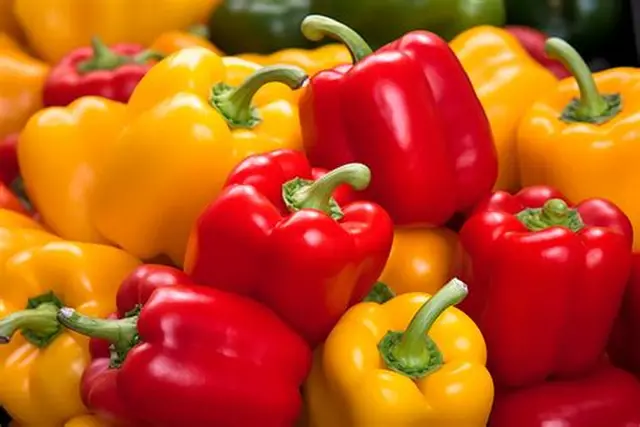
These colourful vegetables are loaded with more vitamin C than oranges. Red bell peppers, in particular, are among the richest everyday sources of the nutrient. Chilli peppers also contribute vitamin C alongside compounds such as capsaicin, which gives them their heat. Because vitamin C is sensitive to heat, eating peppers raw or lightly cooked can help preserve more of the nutrient.
- Ugu (Fluted Pumpkin Leaves)

Ugu is a staple in many Nigerian homes and is best known for its iron content, but it also provides vitamin C. This combination is particularly beneficial because vitamin C helps the body absorb non-heme iron, the type of iron found in plant foods. That means enjoying Ugu soup or freshly prepared Ugu juice can contribute to both your vitamin C and iron intake.
- Pawpaw (Papaya)
Pawpaw is another affordable fruit that contains a healthy amount of vitamin C. According to various studies, pawpaw contains about 95 mg of vitamin C per 100g, making it a good alternative to citrus fruits. Its naturally sweet taste makes it an easy addition to breakfast, smoothies or fruit salads.
- Broccoli
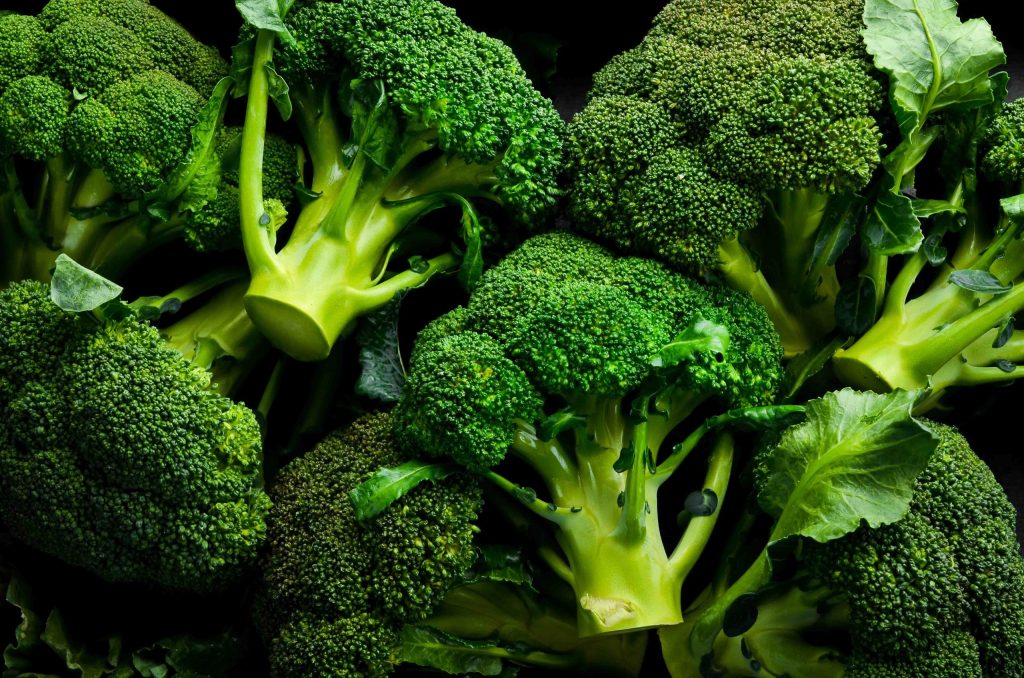
Although not traditionally associated with Nigerian cuisine, broccoli is increasingly available in supermarkets and local markets across the country. It is rich in vitamin C, fibre and antioxidants. Lightly steaming broccoli instead of overcooking, helps retain more of its nutrients.
- Lemon
Lemons may be smaller than oranges, but they are another valuable source of vitamin C. Whether squeezed into water, used in cooking or added to tea, lemons provide a refreshing way to boost your vitamin C intake while enhancing the flavour of meals and drinks.
- Kiwi
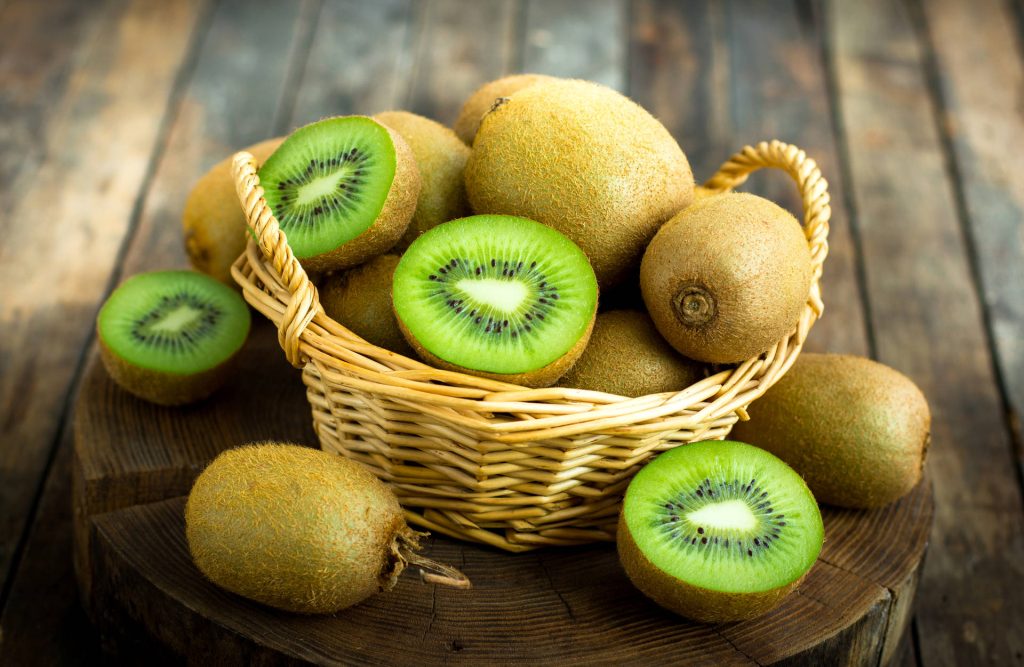
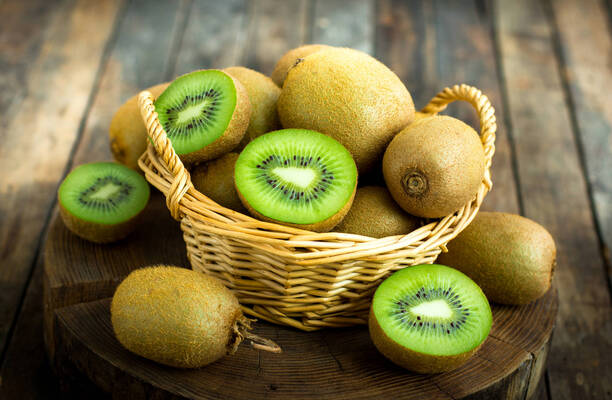
Kiwi may not be grown as widely as other fruits on this list, but it is available in many supermarkets across Nigeria. The fruit is rich in vitamin C, fibre and potassium, making it a nutritious option for people looking to add more variety to their diet.
Oranges remain a great source of vitamin C, but they are not the only option. Adding a mix of these foods to your meals not only increases your vitamin C intake but also provides other essential vitamins, minerals and antioxidants that support overall health.