By Toochi Ejiofor
Edited by Bababunmi Agbebi
Many people blame tiredness on stress or lack of sleep, but sometimes, persistent fatigue can point to something deeper like low iron.
Iron plays a major role in keeping the body functioning properly. It helps produce haemoglobin, the protein in red blood cells responsible for carrying oxygen from the lungs to the body’s tissues. When your iron levels drop, oxygen supply reduces, and the body begins to struggle.
Low iron levels could be a cause of diet, underlying conditions, bleeding, and the use of certain medications. According to the World Health Organization, iron deficiency remains one of the most common nutritional deficiencies worldwide and is a leading cause of anemia, particularly among women of reproductive age and children.
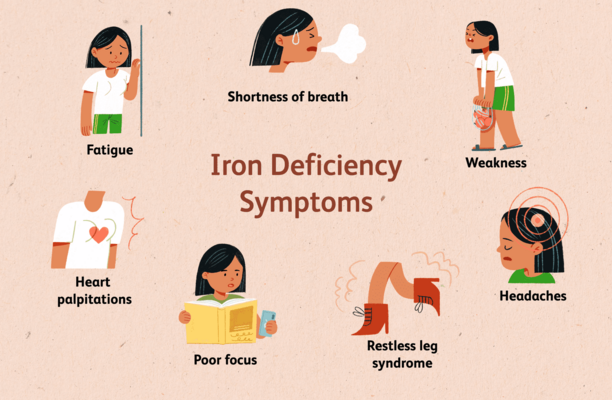
Here are some signs your body may be low on iron:
- Extreme Tiredness
This is often the first sign. Not the kind of tiredness that goes away after a nap, but the kind that lingers no matter how much rest you get. When the body lacks enough iron, it cannot make enough healthy red blood cells to carry oxygen efficiently. This means your muscles and tissues receive less oxygen, making simple tasks feel exhausting.
- Pale Skin
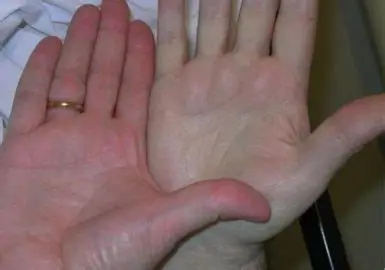
Low iron can cause the skin to lose some of its natural colour. This may show up in the face, gums, lips, or the inside of the lower eyelids. Haemoglobin gives blood its red colour, so when haemoglobin levels drop, the skin may appear paler. This can be more noticeable in people who naturally have darker skin tones when checking the gums or inner eyelids.
- Shortness of Breath
If climbing stairs or walking short distances suddenly feels harder than usual, it may not just be poor fitness. Low iron means your body is carrying less oxygen, so your lungs and heart have to work harder to keep up. This can make you feel short of breath during activities that normally wouldn’t stress you.
- Frequent Headaches or Dizziness
The brain needs a steady oxygen supply to function properly. When iron is low, oxygen delivery may drop, sometimes leading to headaches, lightheadedness, or dizziness. This is especially common when standing up too quickly or after physical exertion.
- Heart Palpitations
In iron deficiency, low haemoglobin levels mean the heart has to work extra hard to carry oxygen. This may lead to irregular heartbeats or the feeling that your heart is beating abnormally fast. In some cases, it may cause heart palpitations, tachycardia (a rapid heart rhythm), or even chest pain.
Other symptoms include hair loss, restless legs, brittle nails, cold hands and feet, strange cravings, feelings of depression, low appetite, more frequent infections and swelling and soreness of your tongue or mouth.
What Should You Do?
Go for a regular check-up. Not every tiredness translates to iron deficiency. These symptoms can overlap with other health issues, which is why testing matters. A blood test is the best way to know your iron levels.
To maintain healthy iron levels, eat a balanced diet rich in iron.