By Suad Ayinla
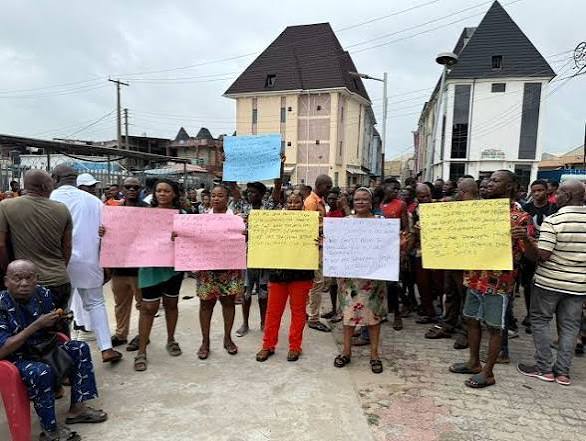
Tension at the Lagos International Trade Fair Complex in Ojo has brought an old question about doing business in Nigeria back into the spotlight: how much room should foreign businesses have in a market where local traders are already struggling to survive? The latest disagreement followed protests by local traders over the activities of Chinese nationals at the complex, with traders alleging that some foreign operators are moving beyond wholesale trading into direct retail. For the traders, the concern is not simply about who sells what, but whether they can compete on equal terms.
At the centre of the disagreement is the issue of pricing. Local traders say some Chinese businesses have direct access to manufacturers and suppliers in China, allowing them to bring goods into Nigeria at prices that local retailers find difficult to match. Nigerian traders, meanwhile, often have to account for shop rent, transportation, import-related expenses, levies and other costs before goods reach the final consumer. When they are forced to compete with suppliers who can sell directly to customers, they fear their profit margins could become even smaller.
The dispute also highlights how Nigeria’s trading system is changing. For years, many local traders have built businesses around importing goods, distributing them and selling them to consumers. But the rise of direct-to-consumer business models means the middlemen who once controlled access to certain products now face competition from businesses closer to the source. For a trader who has spent years building a customer base, watching the same products appear in the same market at lower prices can be a serious threat to their livelihood.
But there is another side to the argument. Nigerian consumers are often looking for the cheapest available option, particularly as the cost of living continues to put pressure on household budgets. If a product is cheaper, many customers may naturally choose it, regardless of whether it is being sold by a Nigerian or foreign trader. The issue, therefore, is not necessarily whether foreign traders should be allowed to operate, but whether everyone is operating under the same rules.
The Lagos International Trade Fair Complex Management Board has acknowledged the concerns raised by traders and called for dialogue. The Lagos State Police Command also said normalcy had returned to the complex after the protest, while interventions were made to prevent the disagreement from escalating. The immediate tension may have eased, but the concerns behind the protest remain relevant to traders who depend on the market for their livelihoods.
There is also a larger question about regulation. If foreign businesses are operating in sectors or ways that Nigerian law restricts, regulators have a responsibility to enforce those rules. At the same time, if they are operating legally, local traders may need support to compete through better access to finance, stronger supply chains, lower business costs and policies that improve the overall trading environment.
The situation at the Trade Fair Complex is therefore not simply a clash between Nigerian and Chinese traders. It reflects a broader struggle over who gets to control Nigeria’s growing consumer market. As foreign businesses expand and local traders fight to remain competitive, the government faces the challenge of protecting legitimate business interests without shutting the door on investment and competition.
With Nigerian traders demanding a level playing field and consumers searching for cheaper goods, how can Lagos balance foreign investment with the survival of local businesses?