By Bababunmi Agbebi
For decades, unreliable electricity has remained one of the biggest obstacles to economic growth and quality of life in Nigeria’s commercial capital, Lagos. From small businesses running costly diesel generators to households enduring daily outages, the energy crisis has shaped the rhythm of life in the megacity. Now, Lagos State is positioning itself for a major transformation with an ambitious plan aimed at delivering stable, round-the-clock electricity to millions of residents and businesses.
The initiative represents more than an infrastructure upgrade; it is a strategic economic and social reform designed to boost productivity, attract investment, reduce dependence on fuel-powered generators, and improve living standards across the state.
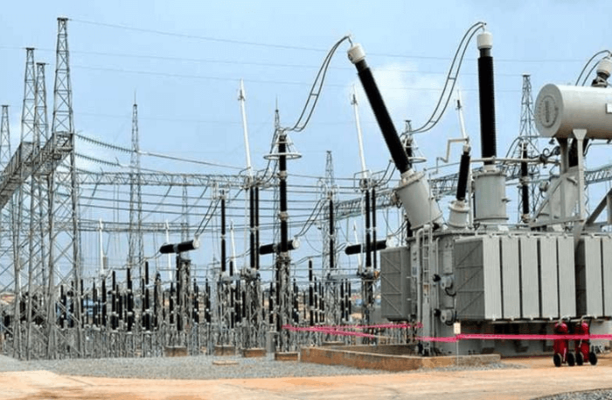
Rather than relying solely on the national grid, the state plans to expand embedded power generation, strengthen transmission networks, and encourage private sector participation in electricity distribution.
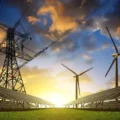
Officials say the long-term objective is clear: uninterrupted, 24-hour power supply across key economic and residential zones. The plan includes investments in gas-powered plants, renewable energy projects, mini-grids, and modern metering systems that can improve efficiency and reduce power losses.
This renewed focus on energy infrastructure comes at a critical time as Lagos continues to experience rapid population growth and increasing industrial demand. With more than 20 million residents and a thriving commercial ecosystem, the city’s electricity needs are among the highest in Africa.
Small and medium-sized enterprises, which form the backbone of the local economy, stand to benefit immensely. Many entrepreneurs lose revenue due to power disruptions that affect manufacturing, retail operations, refrigeration, digital services, and communications.
A 24-hour power supply could also attract foreign direct investment by improving investor confidence. Technology hubs, manufacturing clusters, healthcare institutions, and financial service providers all depend heavily on stable electricity to operate efficiently.
In addition, the energy plan is expected to create thousands of jobs across engineering, construction, maintenance, renewable energy development, and technical services.
One of the most visible symbols of Nigeria’s electricity challenges is the widespread use of generators. In Lagos, the constant noise and pollution from fuel-powered generators have become part of everyday life.
The state’s new power initiative aims to reduce that dependence significantly. Cleaner and more reliable electricity would not only cut fuel expenses for households and businesses but also help lower carbon emissions and improve public health.
Environmental experts have long warned about the dangers associated with prolonged exposure to generator fumes and noise pollution. Transitioning to more sustainable power systems could therefore produce both economic and environmental gains.
To succeed, Lagos will need strong collaboration between government agencies, private investors, utility companies, and federal regulators. Transparency, policy consistency, and effective project execution will also play vital roles in sustaining public confidence.
Financing remains another major concern. Large-scale power projects require substantial capital investments and long-term planning. Ensuring affordability for consumers while maintaining profitability for investors will be a delicate balancing act.
Additionally, expanding access to underserved communities will be essential to ensuring that the benefits of improved electricity are distributed equitably across the state.
If successfully implemented, the Lagos electricity initiative could become a model for urban energy reform across Africa. The promise of reliable, 24-hour electricity has the potential to transform economic activity, improve public services, and elevate the overall quality of life for millions of residents.
For many Lagosians, the plan represents hope for a future where businesses can thrive without generators, students can study without interruptions, hospitals can operate more efficiently, and households can enjoy a more stable standard of living.
As the city moves forward with its ambitious energy agenda, all eyes will be on whether Lagos can finally achieve what has long seemed out of reach: a modern, dependable, and sustainable power system capable of supporting one of Africa’s fastest-growing megacities.