By Toochi Ejiofor
Edited by Bababunmi Agbebi
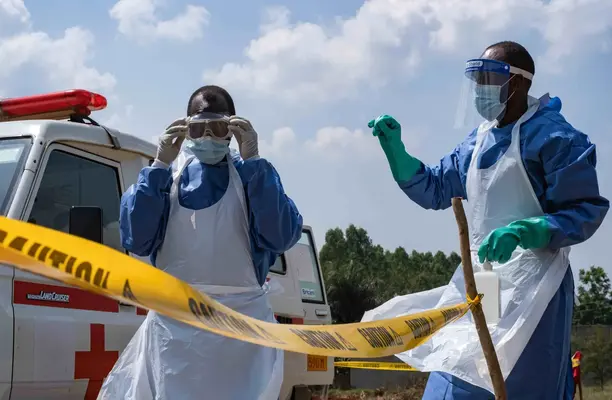
The World Health Organization (WHO) recently declared a Public Health Emergency of International Concern following a rapidly escalating outbreak of a rare strain of Ebola in the Democratic Republic of Congo (DRC) and neighboring Uganda.
As they continue to monitor Ebola outbreaks, we have been urged to maintain strict hygiene and safety practices to reduce the spread of the disease. Here are important step-by-step hygiene measures people can follow to stay protected:
- Wash Your Hands Regularly
The WHO and CDC recommend frequent handwashing. You should use soap and clean running water, or an alcohol-based hand sanitizer. Make sure to scrub your whole hand, including between your fingers and under your nails, for at least twenty seconds. It is critical that you do not touch your eyes, nose, or mouth, especially after touching public surfaces or caring for sick individuals.
- Maintain a Clean Environment
Regularly disinfect frequently touched surfaces such as door handles, toilets, floors and tables. The virus can live on everyday objects for days if left untreated. You should regularly wipe down things people touch a lot, like doorknobs, using water mixed with bleach. WHO says environmental cleanliness is important in reducing the spread of infectious diseases.
- Avoid Contact with Body Fluids
Avoid direct contact with blood, urine, saliva, sweat, vomit, breast milk, semen and other body fluids of anyone who is sick or suspected to have Ebola. The virus can enter the body through the eyes, nose, mouth or broken skin.
- Avoid Touching Contaminated Objects
Do not handle clothes, bedding, needles, medical equipment or personal items that may have come into contact with an infected person’s body fluids without proper protection.
- Avoid Contact with Wild Animals
Ebola often starts in wild animals before spreading to humans. The CDC advises people to not to touch or eat bushmeat, which includes wild animals like bats, monkeys, or apes, as Ebola can spread from infected animals to humans. Additionally, you must ensure all standard meat is thoroughly cooked before you eat it.
- Avoid Contact with Dead Bodies
The WHO also warns against touching or washing the body of someone suspected or confirmed to have died from Ebola. Safe and supervised burial practices are recommended during outbreaks.
Anyone returning from an area experiencing an Ebola outbreak should monitor their health for 21 days. Symptoms may include fever, weakness, vomiting, diarrhoea or unexplained bleeding.People showing symptoms of Ebola after possible exposure should seek immediate medical attention and avoid close contact with others to prevent further spread.
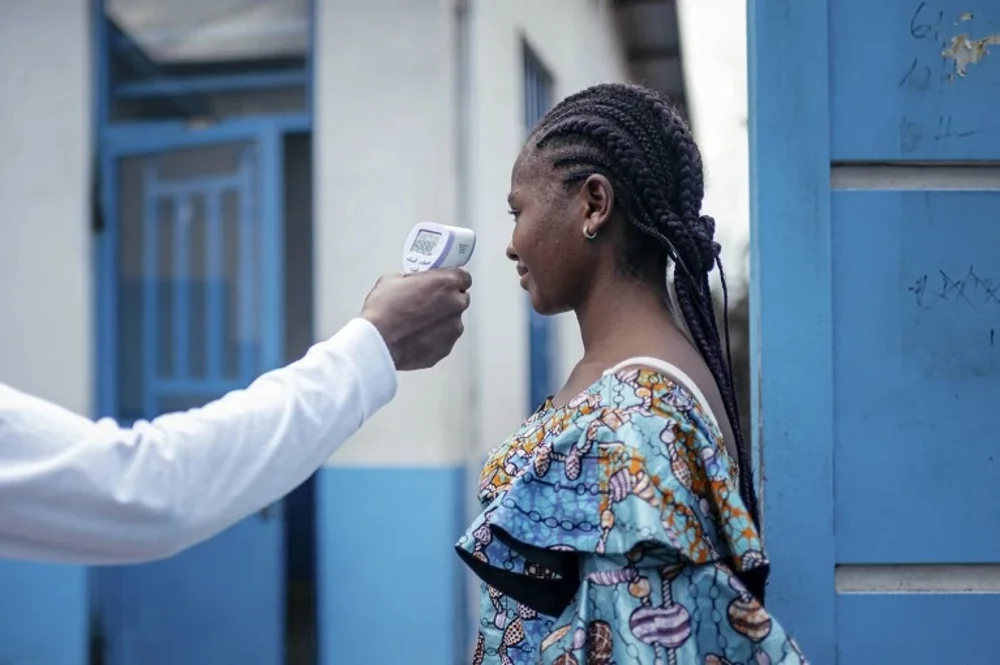
Proper hygiene, early detection and public awareness remain key to controlling Ebola outbreaks and protecting communities from infection.