Edited by Bababummi Agbebi
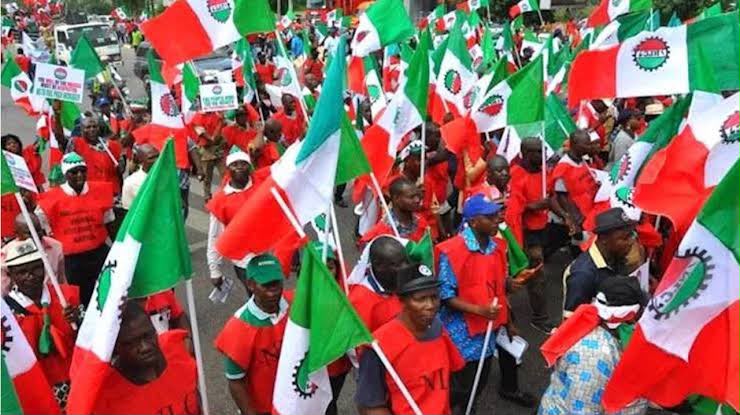
For many Nigerian workers, the possibility of another strike is becoming an all-too-familiar story. Once again, organised labour, the Joint National Public Service Negotiating Council (JNPSNC) is threatening a three-day warning strike from October 2, 2026, if the Federal Government fails to address its concerns by September 30. The council, which represents several public-sector unions, is demanding action over rising petrol prices, workers’ welfare and the need to begin discussions on a new national minimum wage. The latest development has left many workers wondering whether another strike is the only way their concerns can get the attention of the government.
Behind the latest dispute is a problem that workers experience every day: their salaries are struggling to keep up with the cost of living. Transport fares, food prices, rent and other basic expenses continue to put pressure on household budgets. For workers who have to commute long distances to their offices, changes in fuel prices can quickly translate into higher transport costs and less money available for other needs.
But the impact of labour disputes goes beyond the workers and the government at the negotiating table. When workers in critical sectors down their tools, the consequences can quickly reach ordinary Nigerians. Hospitals can face disruptions, students can be affected when academic workers strike, government offices can slow down and businesses that depend on public services can also feel the impact. In the end, a dispute between two sides can become a problem for millions of people.
This is why the repeated cycle of demands, negotiations, ultimatums and strikes continue to raise questions about how labour issues are handled in Nigeria. Workers need a way to demand better wages and working conditions, while the government also has to consider the wider economic consequences of its decisions. When agreements are reached but concerns later return, it can create frustration on both sides and make industrial action seem like the easiest route to being heard.
The bigger question is whether Nigeria can move beyond the familiar pattern of waiting for a crisis before finding a solution. Workers want salaries that can meet their basic needs, while the country needs an economy where businesses, public institutions and essential services can function without repeated disruptions. Until labour concerns are addressed through consistent and meaningful negotiations, the threat of another strike may continue to be part of Nigeria’s economic reality.