By Chiagoziem Abosi
Edited by Bababunmi Agbebi
When many Nigerians hear that the Federal Government has borrowed another ₦5 trillion, the immediate reaction is often concern.
Will taxes go up? Will prices increase again? Will this affect businesses, salaries or transport fares?
The reality is more complex.
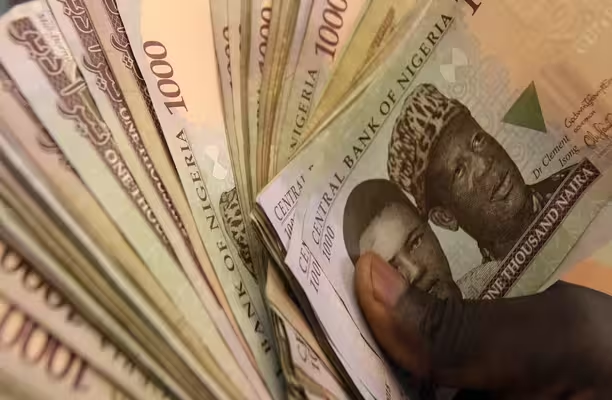
According to data from the Debt Management Office (DMO), the Federal Government raised about ₦5 trillion from the domestic bond market within six months. Bonds are one of the ways governments raise money to finance projects, pay for infrastructure and manage public spending when revenue falls short.
But what exactly is a bond?
Think of it this way: instead of borrowing from another country or an international lender, the government borrows money from investors, banks, pension funds and members of the public. In return, it promises to pay back the money after a set period, along with interest.
It is similar to taking a long-term loan, except that thousands of investors contribute the money.
Governments around the world use bonds to finance roads, railways, hospitals, schools, security and other public projects. Borrowing itself is not unusual. The bigger question is whether the borrowed funds are used effectively and whether the country can comfortably repay the debt.
For Nigeria, borrowing has become more common as the government seeks to bridge the gap between revenue and expenditure. While oil remains a major source of income, fluctuations in global oil prices, lower government revenues and increasing spending needs have made borrowing an important financing option.
So, what does this mean for residents of Ikeja?
The impact may not be immediate, but it could eventually be felt in several ways.
If the borrowed funds are invested in productive projects such as roads, electricity, healthcare, education and security, residents could benefit through improved public services, easier transportation and a better environment for businesses to thrive.
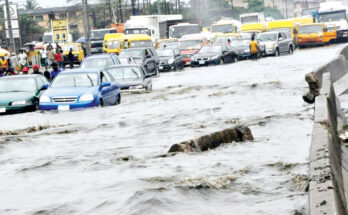
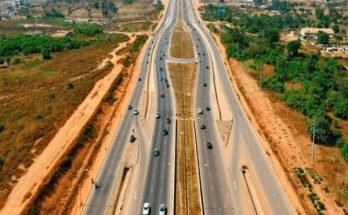
For example, improved road infrastructure could ease traffic around Allen Avenue, Oba Akran, Oregun and other busy parts of Ikeja. Better public facilities could also support businesses in commercial hubs like Computer Village and Alausa.
However, borrowing also comes with responsibilities.
Every loan must eventually be repaid, together with interest. As Nigeria’s debt obligations increase, a larger portion of government revenue may go towards servicing debt instead of funding new projects. Economists have repeatedly warned that high debt servicing costs could reduce the amount available for education, healthcare and infrastructure if revenue does not improve.
Some Nigerians also worry that continued borrowing could contribute to inflation if government spending grows faster than economic productivity. While borrowing does not automatically increase taxes, governments facing rising debt obligations may eventually introduce new revenue measures or improve tax collection to strengthen public finances.
For residents of Ikeja, this could affect the broader cost of doing business, household spending and the overall economy rather than producing immediate changes overnight.
Economic experts generally agree that borrowing is neither inherently good nor bad. What matters is how the money is spent.
If borrowed funds create jobs, improve infrastructure and stimulate economic growth, the economy may generate enough returns to repay the debt. But if the money is poorly managed or invested in projects that deliver little economic value, future generations may bear the burden of repayment without enjoying the benefits.
For many people in Ikeja, the success of the government’s borrowing strategy will not be measured by the size of the loan but by visible improvements in daily life. Better roads, more reliable electricity, stronger security, efficient public services and lower business costs are the outcomes many residents hope to see.
As Nigeria continues to finance development through the bond market, citizens will be watching closely to see whether the borrowed trillions translate into tangible progress in their communities.
Do you think government borrowing is necessary to develop the country, or should Nigeria focus more on increasing revenue and reducing spending? Share your thoughts in the comments and follow IkejaBird Media for more stories that explain how national economic decisions affect everyday life in Ikeja.