By Suad Ayinla
Edited by Bababunmi Agbebi
Nigeria’s latest Ebola case has prompted fresh public health measures, with the Federal Government directing aviation authorities to restrict 46 people who came into contact with the infected patient from travelling by air for 21 days.
The directive, announced by the Minister of Aviation and Aerospace Development, Festus Keyamo, says it is part of efforts to prevent further transmission as health authorities continue contact tracing and monitor people who may have been exposed to the virus. The development has renewed concerns about Nigeria’s preparedness to contain infectious diseases and protect the public.
According to the World Health Organisation (WHO), Nigeria confirmed one case of Ebola Bundibugyo virus disease in the Federal Capital Territory on October 20. The patient, a woman who had recently travelled to Nigeria, is receiving medical care in isolation at a private hospital in Abuja. Her symptoms reportedly began on October 7, and she sought medical attention four days later.
The aviation minister said the 46 people identified during contact tracing include 44 individuals who came into contact with the patient at the hospital after she developed symptoms and two members of her domestic staff. The Nigeria Civil Aviation Authority (NCAA) has been directed to notify local and international airlines of the restriction while health officials work to establish whether any of the identified contacts have contracted the virus. Being placed on the list does not mean that the individuals have tested positive for Ebola.
The Federal Airports Authority of Nigeria (FAAN) has also been directed to strengthen surveillance at international airports. The measures include health screenings, temperature checks, monitoring of travelers’ histories and digital health declarations, alongside closer coordination with the Nigeria Centre for Disease Control and Prevention (NCDC).
The circumstances surrounding the patient’s infection remain under investigation. Although she reportedly travelled through Uganda before arriving in Nigeria, authorities have not established the precise source of infection. The WHO and other public health partners are supporting investigations, contact tracing and infection-prevention measures to reduce the risk of further transmission.
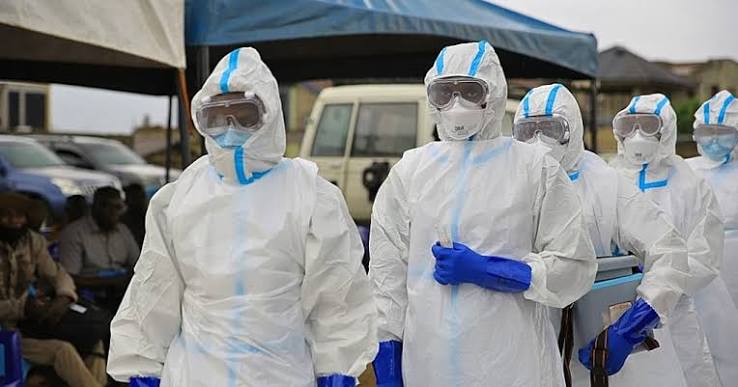
Ebola is a serious viral disease that spreads through direct contact with the blood or other bodily fluids of an infected person who is showing symptoms, as well as contaminated materials. Symptoms can include fever, fatigue, muscle pain, vomiting and diarrhoea. The incubation period ranges from two to 21 days, making the monitoring of exposed individuals particularly important.
The Bundibugyo strain identified in this case currently has no approved vaccine or specific treatment. However, early diagnosis, appropriate medical care, isolation and effective infection-prevention measures remain important in managing the disease and limiting its spread.
Nigeria previously contained an Ebola outbreak in 2014 after an infected traveler introduced the virus into the country. That experience demonstrated the importance of rapid case identification, contact tracing and coordinated action among health authorities. The current case will once again test the country’s ability to respond quickly and prevent further infections.
For Nigerians, the immediate priority is to rely on verified information from health authorities rather than spread rumours or panic. Healthcare workers must remain alert to symptoms and relevant travel histories, while people who may have been exposed should follow public health instructions and seek medical guidance if they develop symptoms.
As contact tracing continues and airport surveillance is strengthened, the effectiveness of the response will depend on timely investigations, transparent communication and cooperation among health agencies, aviation authorities and the public. The coming days will be critical in determining whether the measures can contain the case and prevent further transmission.