By Suad Ayinla
Edited by Bababunmi Agbebi
Domestic violence remains a serious social problem in Lagos, affecting people across different communities, age groups and social backgrounds. While conversations about domestic and sexual violence have become more visible in recent years, many victims still suffer silently within their homes. Physical assault, emotional abuse, financial control, intimidation and sexual violence are among the different forms of abuse victims may experience, yet reporting such cases is often easier said than done.
The scale of the problem has continued to draw attention in Lagos. The Lagos State Domestic and Sexual Violence Agency (DSVA) has continued to document cases and provide support for survivors. The agency has recorded thousands of domestic and sexual violence cases over the past several years, highlighting the fact that abuse remains a major concern despite increased public awareness.
One of the biggest reasons victims struggle to speak out is fear. Some fear that reporting their partners could expose them to further violence, threats or intimidation. Others worry about losing their homes, financial support or access to their children. For victims who depend financially on their partners, leaving an abusive relationship can seem almost impossible, particularly when there is no immediate alternative source of income or a safe place to stay.
Social and cultural expectations can make the situation even more difficult. In some families and communities, victims are encouraged to endure abuse for the sake of their children or to protect the marriage. They may be told to forgive, pray or settle the matter privately instead of reporting the abuser. The fear of being blamed, judged or accused of destroying a home can prevent victims from seeking help, even when their safety is at risk.
For some victims, the situation is also complicated by emotional attachment and manipulation. An abusive partner may apologise after an incident, promise to change and become affectionate, creating hope that the violence will stop. When this happens repeatedly, victims can become trapped in a cycle of abuse. Some may also struggle to recognise forms of abuse that do not leave physical injuries, such as controlling access to money, isolating a partner from family and friends, constant threats or psychological intimidation.
Lagos has continued to strengthen its response through the Lagos State Domestic and Sexual Violence Agency, which works to coordinate responses to domestic and sexual violence and connect survivors with relevant support services. The agency has also continued to use public awareness campaigns to encourage residents to speak up, report cases and understand that violence should not be treated as a normal part of relationships or marriage.
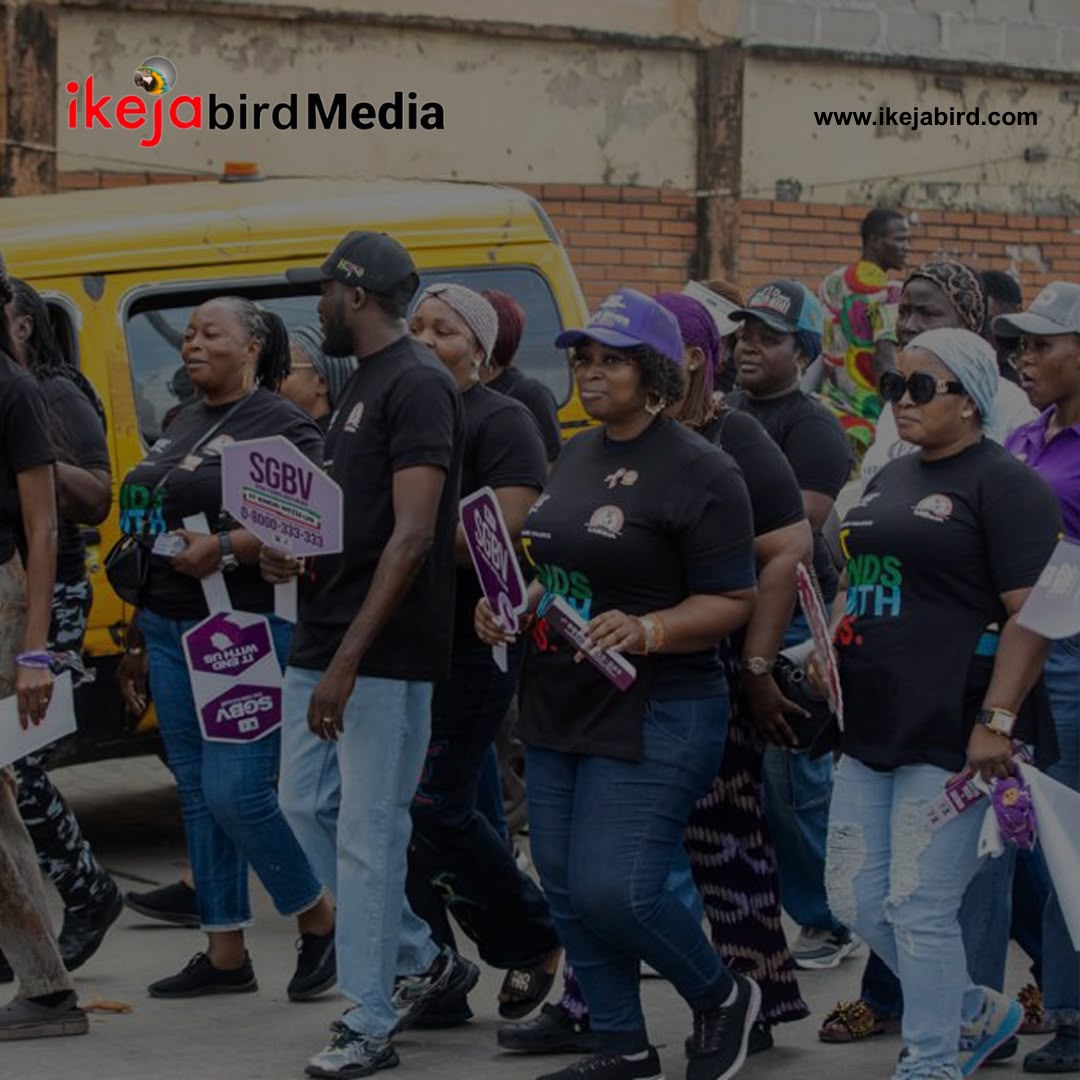
The importance of this campaign was particularly highlighted during the September 2026 Domestic and Sexual Violence Awareness Month, when the DSVA intensified advocacy and public sensitisation across Lagos. With the campaign theme “SGBV – It Ends with Us,” the awareness activities focused on encouraging individuals and communities to take responsibility for preventing sexual and gender-based violence and supporting survivors.
But awareness alone cannot end domestic violence. Victims must be confident that when they report abuse, they will be protected, believed and supported. Access to counselling, legal assistance, medical care, emergency intervention and safe shelters is essential, especially for victims who may have nowhere else to turn.
The fight against domestic violence also requires the involvement of families, neighbours, religious institutions, workplaces and communities. Abuse should not be dismissed as a private disagreement simply because it happens inside a home. What happens behind closed doors can have lasting consequences, particularly for children who witness violence between adults.
Lagos has taken steps to make domestic and sexual violence more visible and to provide avenues for victims to seek help. However, the continued number of reported cases shows tha more still needs to be done. For many victims, speaking out is not simply a matter of finding the courage to tell their story; it is about knowing that there will be safety, support and a future after they do. Until victims can make that choice without fear, many will continue to suffer in silence behind closed doors.
To report domestic or sexual violence in Lagos, residents can contact the DSVA toll-free helpline on 0-8000-333-333.
Make a WordPress package