
By Toochi Ejiofor
Edited by Bababunmi Agbebi
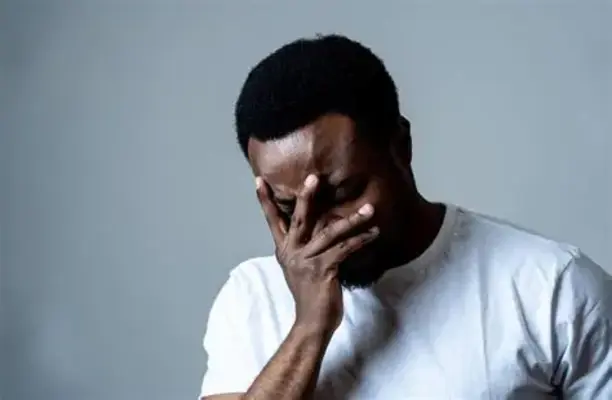
As Men’s Mental Health Month is observed this June, the silence around men’s mental wellbeing is beginning to break in Nigeria as more men speak up and seek support.
For decades, many Nigerian men grew up with phrases like “be a man,” “men don’t cry,” and “be strong,” often discouraging emotional expression and vulnerability. As a result, mental health struggles among men are frequently ignored, hidden, or dismissed.
The World Health Organization (WHO) estimates that over one billion people are living with mental health conditions, while suicide remains the third leading cause of death among young people globally. In Nigeria, the suicide mortality rate stood at about 3.5 per 100,000 people as of January 2024, with an estimated 15,000 deaths annually, men accounting for nearly 79% of these cases.
Today, more people are beginning to encourage open conversations around stress, burnout, anxiety, depression, and emotional wellbeing among men.
Experts say economic hardship, unemployment, family responsibilities, social pressure, and the constant demand to always appear strong have placed significant mental strain on many Nigerian men. Yet despite these pressures, seeking help is still viewed by some as a sign of weakness.
In recent years, social media, podcasts, online communities, and public conversations have helped create safer spaces for men to share personal struggles and discuss mental health more openly. Young Nigerians are increasingly speaking about therapy, emotional healing, rest, and the importance of supportive friendships.
These conversations are necessary, especially in a society where many men are conditioned to suppress emotions from an early age. Breaking the silence around men’s mental health does not mean abandoning strength or responsibility, but recognizing that emotional wellbeing is also an important part of living a healthy life.
Across communities, there are growing calls for families, workplaces, religious institutions, and schools to encourage healthier conversations around mental health without shame or judgment. Advocates also stress the importance of checking in on male friends, creating safe support systems, and normalising professional help when needed.
As Men’s Mental Health Month continues, the message remains clear: men deserve support, safe spaces, and the freedom to speak openly about their mental wellbeing without fear of stigma.
For many, breaking the silence may be the first step toward healing.