By Suad Ayinla
Edited by Bababunmi Agbebi
Nigeria’s response to its latest Ebola case has entered a new phase following the evacuation of the infected patient to Switzerland for further treatment. The patient, who had been receiving medical care in Abuja, was evacuated on Monday, October 26, 2026, after her condition reportedly improved. However, health authorities have warned that her departure does not mean the risk of further transmission has ended.
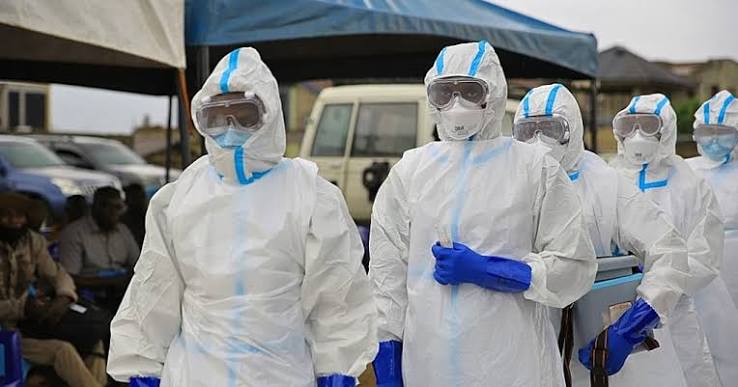
According to reports, the patient was stable, conscious and able to communicate before the evacuation. Her medical condition had improved, with some laboratory results moving closer to normal levels. Despite this progress, she could still pose a risk of infection, making strict public health precautions necessary throughout the transfer. The evacuation followed efforts by Nigerian medical teams to stabilise her condition and coordinate her transfer for further treatment.
The development has raised questions about whether Nigeria can consider the outbreak over now that the confirmed patient has left the country. The World Health Organization (WHO) has clarified that Nigeria has not been declared Ebola-free. Although the patient’s evacuation marks an important development in the country’s response, health authorities must continue monitoring possible exposures and investigating the circumstances surrounding the infection.
One of the major priorities is contact tracing. Nigerian authorities are monitoring 52 contacts linked to the case to determine whether anyone else may have been exposed to the virus. Contact tracing allows health officials to identify people who may have had contact with an infected person, monitor them for symptoms and respond quickly if further infections emerge. Being identified as a contact does not mean that a person has contracted Ebola, but completing the required monitoring period is essential to containing the risk.
Authorities are also investigating how the patient became infected. Reports indicate that she travelled from Uganda to Nigeria before her illness was confirmed. Establishing the source of infection could help public health officials understand the circumstances surrounding the case and identify any additional risks. The investigation also highlights the importance of cooperation between countries in detecting and responding to infectious diseases that can cross international borders.
For Nigerians, the situation is a reminder that controlling an outbreak requires more than treating the infected person. Hospitals must maintain appropriate infection prevention measures, health workers must remain alert to symptoms that could indicate Ebola, and people identified as contacts must follow official medical advice. The public also has a role to play by relying on verified information and avoiding rumours that could cause unnecessary panic or stigmatise people under medical observation.
Although the patient’s evacuation is a significant development, Nigeria’s response is not over. Continued surveillance, contact tracing and investigation will be necessary to determine whether further infections emerge. Until health authorities establish that the outbreak has been contained and the relevant public health criteria have been met, vigilance remains essential.
The evacuation may have moved the patient’s treatment beyond Nigeria’s borders, but the country’s responsibility to protect public health remains. The critical question now is whether continued monitoring and containment efforts will prevent another case from emerging.