
By Suad AYINLA.
For Nigerian families already struggling to stretch their income, rising energy costs are creating another layer of pressure. The prices of petrol and cooking gas have continued to fluctuate in different parts of the country, affecting transportation, cooking and the cost of running small businesses. For many households, the increase is not just another change in price; it means having to reconsider how much they spend on basic daily needs.
Cooking gas, in particular, has become an important part of household budgeting. As the cost of refilling a cylinder rises, families that depend on gas for cooking may have to reduce their usage or spend more of their income to maintain the same routine. The situation is also difficult for food vendors, restaurants and other small businesses that rely on gas, as higher operating costs can eventually translate into more expensive meals for customers.
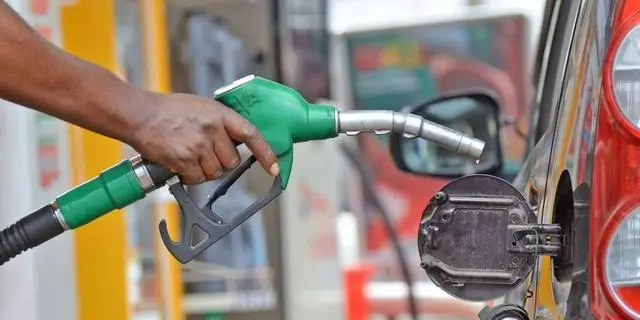
Petrol prices also have consequences far beyond the filling station. When the cost of fuel rises, transportation operators face higher expenses, which can affect fares. The cost of moving food, goods and other products from one location to another can also increase. This creates a chain reaction in which higher energy costs can contribute to higher prices for everyday goods and services, placing additional pressure on household budgets.
For some families, expensive cooking gas may also push them towards alternatives such as charcoal and firewood. While these options may appear cheaper in the short term, increased reliance on them can raise concerns about household air pollution, deforestation and the country’s efforts to promote cleaner cooking methods. The situation therefore goes beyond the question of how much Nigerians pay to refill their cylinders; it also raises questions about how households can access affordable and reliable energy.
As Nigerians continue to adjust their spending to cope with changing fuel and cooking gas prices, the pressure is being felt in homes, markets and small businesses. Families are being forced to make difficult choices between transportation, food and other essential expenses. With energy costs affecting so many aspects of daily life, how much longer can Nigerian households continue to absorb these increases before they begin to significantly change the way they live?