By Suad Ayinla
Edited by Bababunmi Agbebi
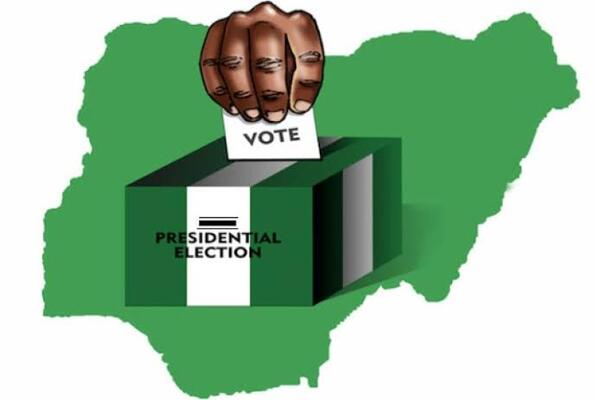
As Nigeria begins to look toward the 2027 general elections, political conversations are already gaining momentum. Parties are positioning themselves, politicians are making alliances, and potential candidates are beginning to attract public attention. But beyond the political calculations, one question remains: what do young Nigerians actually want from the next government?
For a generation that makes up a significant part of Nigeria’s population, the 2027 election is more than political parties and campaign promises. Many young Nigerians are concerned about issues that directly affect their daily lives, including unemployment, rising living costs, insecurity, poor infrastructure and limited opportunities. For them, the election is an opportunity to demand practical solutions rather than another cycle of promises.
Jobs and economic opportunities are likely to remain major concerns. Across the country, young graduates continue to compete for limited employment opportunities, while many others turn to entrepreneurship, freelancing and the informal economy to survive. The rising cost of food, transportation, housing and other essentials has also made financial independence increasingly difficult. Many young voters want a government that can create an environment where hard work, education and enterprise can translate into a decent standard of living.
Security is another issue that cannot be ignored. Kidnapping, banditry, communal attacks and other forms of insecurity have affected communities across the country. Young Nigerians want to be able to travel, work, attend school and return home safely. They also want political leaders to stop treating young people as tools for protests, online abuse or electoral violence. The Inspector-General of Police has already warned young Nigerians against allowing politicians to use them for political and digital thuggery ahead of the 2027 elections.
Beyond economic and security concerns, trust in the electoral process will also be important. Many young Nigerians want elections in which their votes are counted and respected. The Independent National Electoral Commission (INEC) has begun preparations for the 2027 elections, with young people identified among the groups requiring greater voter education and mobilisation. But the challenge will be turning online political conversations into actual participation at the polling booth.
The question of political representation also matters. Young Nigerians are increasingly asking why they should only be considered important during campaigns but have little influence when policies are being made. They want leaders who understand the realities of the digital economy, unemployment, education, housing, mental pressure, entrepreneurship and the changing demands of the workplace.
As 2027 approaches, votes of young people could become an important part of the political conversation. But whether young Nigerians participate in large numbers remains another question. The 2023 election recorded relatively low voter turnout, showing that a large youth population does not automatically translate into electoral participation.
Ultimately, young Nigerians may not be asking for perfection from the next government. They are asking for opportunity, security, accountability and a fair chance to build a future at home. As politicians prepare to ask for their votes, young Nigerians will have to decide what promises deserve their attention and, more importantly, what kind of leadership they are willing to vote for.
The real question ahead of 2027 may therefore not be who will win the youth vote? but what will young Nigerians demand before giving it away?