By Bababunmi Agbebi
The planned rehabilitation of the Kara Bridge along the Lagos-Ibadan Expressway has been postponed by the Federal Government, offering temporary relief to thousands of motorists and businesses that rely on one of Nigeria’s busiest transport corridors.
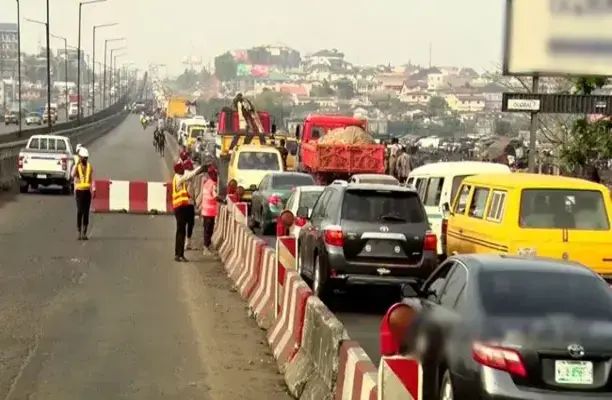
The project, which was expected to begin on July 28,2026, had generated widespread concern among commuters, transport operators and residents who feared severe traffic congestion similar to previous repair works on major bridges within Lagos.
While the government has yet to announce a new commencement date, the postponement provides authorities with an opportunity to strengthen traffic management plans and engage stakeholders before work eventually begins.
Kara Bridge serves as a major gateway connecting Lagos with Ogun State and several parts of southwestern Nigeria. Every day, the bridge accommodates thousands of private vehicles, commercial buses, articulated trucks and interstate transport services.
Beyond serving commuters, the bridge is vital to Nigeria’s economic activities, facilitating the movement of goods from Lagos ports to neighbouring states. Any disruption along the corridor has far-reaching implications for logistics, business operations and travel time.
The planned rehabilitation forms part of the Federal Government’s broader efforts to preserve ageing road infrastructure, improve safety and extend the lifespan of critical transport assets.
For many road users, the announcement comes as welcome news.
Major rehabilitation works on strategic highways often result in lengthy traffic queues, increased fuel consumption and higher transportation costs. Businesses that depend on timely deliveries also experience operational setbacks whenever key routes are partially closed.
By delaying the exercise, authorities have temporarily spared commuters the immediate inconvenience associated with lane closures and traffic diversions.
However, infrastructure experts note that postponing essential maintenance should not translate into abandoning necessary repairs. Delays can sometimes increase maintenance costs if structural deterioration continues unchecked.
Large-scale infrastructure rehabilitation in densely populated cities requires more than engineering expertise. Effective communication, alternative traffic arrangements and stakeholder engagement are equally important.
Transport analysts have consistently advocated for:
- Early public notification before road closures.
- Clearly marked diversion routes.
- Increased deployment of traffic management personnel.
- Coordination among road agencies, emergency responders and law enforcement.
- Greater use of digital platforms for real-time traffic updates.
Such measures can significantly reduce disruptions while ensuring rehabilitation projects are completed efficiently.
Although commuters may welcome the temporary reprieve, the underlying need for rehabilitation remains.
Government authorities are expected to announce a revised schedule after concluding necessary consultations and operational planning. When work eventually begins, efficient project execution and transparent communication will be critical in maintaining public confidence.
For now, motorists can continue using the Kara Bridge without the anticipated construction-related restrictions, but the postponement also serves as a reminder that sustaining Nigeria’s transport infrastructure requires timely maintenance, adequate planning and cooperation between government agencies and the public.