By Bababunmi Agbebi
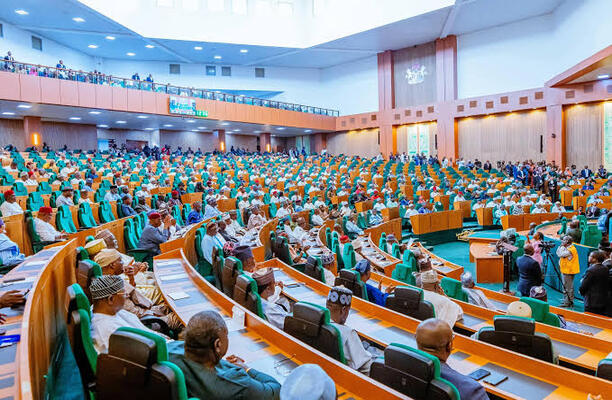
The House of Representatives has taken a significant step towards addressing the plight of Nigerians affected by recurring xenophobic attacks and other forms of violence in South Africa by moving to document their losses and pursue compensation for victims.
The resolution follows growing concerns over years of reported attacks on Nigerian-owned businesses, destruction of property, physical assaults, and, in some cases, loss of lives. Lawmakers argued that many affected Nigerians have suffered severe financial and emotional hardship without receiving adequate justice or restitution.
During plenary, members of the House stressed that while Nigeria and South Africa enjoy strong diplomatic and economic ties, such a relationship should also guarantee the safety and protection of citizens residing in either country. They noted that repeated incidents targeting foreign nationals, including Nigerians, have strained bilateral relations and created anxiety among members of the Nigerian community in South Africa.
As part of its resolution, the House urged the Federal Government, through the Ministry of Foreign Affairs and relevant agencies, to compile a comprehensive database of Nigerians who have suffered losses due to xenophobic attacks and related incidents. The documentation exercise is expected to cover destroyed businesses, damaged properties, injuries, and fatalities.
Lawmakers also called on the Nigerian government to engage South African authorities through diplomatic channels to ensure that affected Nigerians receive appropriate compensation where necessary. They maintained that accountability and justice remain essential to strengthening confidence among Nigerians living and doing business abroad.
Beyond compensation, the House emphasized the need for improved consular support for Nigerians in the diaspora. Legislators urged Nigerian diplomatic missions to maintain updated records of citizens abroad, respond swiftly during emergencies, and provide legal and humanitarian assistance when incidents occur.
South Africa remains one of Africa’s largest economies and has attracted thousands of Nigerians involved in education, commerce, technology, entertainment, healthcare, and other sectors. However, periodic outbreaks of xenophobic violence over the years have continued to raise concerns about the safety of migrants despite repeated assurances from South African authorities.
Tthe House’s latest move could strengthen diplomatic engagement between both countries while ensuring that the experiences of affected Nigerians are formally documented. It also highlights the importance of protecting the rights of citizens regardless of where they reside and reinforces the government’s responsibility to advocate for Nigerians facing injustice beyond the nation’s borders.
If successfully implemented, the documentation process could provide a clearer picture of the scale of losses suffered over the years and form the basis for future negotiations on compensation, support, and stronger bilateral cooperation on the protection of foreign nationals.
Recommended posts:
 FG Extends Verification for Nigerians Returning from South Africa, over 500 Cleared for Repatriation
 Polygamist, Xenophobia and the Selective Outrage of Some Nigerians
 Seeking Compensation After Demolition: Legal Options for Traders in Computer Village, Lagos
 Breaking the Silence: Domestic Violence in Nigeria