By Suad Ayinla
Edited by Bababunmi Agbebi
How much time does a Lagos commuter lose each day just trying to move from one part of the city to another?
From the mainland to the island and back again, thousands of residents start their mornings before sunrise, joining long queues at bus stops, jostling for space in yellow buses and minibuses, and watching traffic gradually thicken on major corridors. For many, the daily journey to work or school is not just about distance; it is about uncertainty never knowing how long it will take, or what unexpected gridlock, breakdown or road closure might appear along the way.
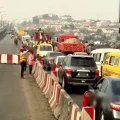
On major routes, the pattern is familiar. Long lines of vehicles crawl along narrow roads, competing for space with street traders, pedestrians and commercial motorcycles. Any small disruption a broken‑down truck, a minor accident, road repairs or a sudden downpour can quickly turn the road into a parking lot. Commuters sitting in buses or private cars often resort to checking the time repeatedly, calculating how late they might be for work and whether they will be able to make up the lost hours.
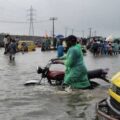
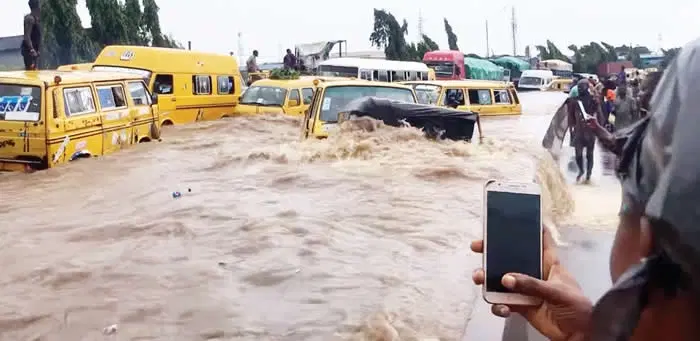
During the rainy season, this struggle becomes even more intense. Heavy rainfall slows traffic, reduces visibility and exposes the weakness of drainage systems, especially in low‑lying areas. Flooded sections of road, force vehicles to divert suddenly or move at a slow pace, while some drivers turn back altogether to avoid damaging their cars. For commuters trapped in these conditions, the journey becomes a mix of anxiety and resignation: shoes soaked, clothes splashed, and hours lost in waterlogged traffic.
The cost of this daily struggle goes beyond frustration. Transport fares have risen, forcing many residents to rethink their routes, change buses more often or stand in overcrowded vehicles just to save money. When it rains, those fares can climb higher as some operators adjust prices or shorten their routes to avoid flooded stretches. Some workers now leave home much earlier than they used to, adding extra hours to their commuting time so they can arrive at their workplaces on schedule. Others say they return home exhausted, with little energy left for family life or personal pursuits.
In this constant battle with traffic and rain, Ikeja stands out as one of the city’s busiest and most challenging hubs. As a major commercial and administrative centre, it attracts thousands of workers, traders, and visitors every day, even when floodwater gathers in gutters and spills onto the road. Transport terminals are often packed, with queues stretching into adjoining streets as drivers attempt to navigate puddles and clogged drains.
For commuters heading in or out of Ikeja, the area has become both a destination and a bottleneck, an unavoidable point in the daily journey where one sudden shower can change the entire day’s plan.
Many residents say they now plan their day around Ikeja’s traffic and weather rhythm, checking the sky before leaving home and choosing which inner streets to use and how much extra time to allow in case of delays. Others have shifted to alternative modes of movement, including walking longer distances where vehicles cannot pass, using multiple buses in stages to avoid flooded junctions, or adjusting their working hours to dodge the worst of the rain‑induced gridlock. Yet even with these adjustments, the pressure on roads remains high, and the stress of commuting, especially through busy nodes like Ikeja, continues to shape everyday life in the city.
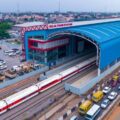
As Lagos expands and more people rely on its roads to earn a living, questions about transport planning, drainage, enforcement, and investment in public transit become more urgent. Commuters wonder if future road projects, flood‑control measures, rail lines, or bus systems will finally ease the gridlock and waterlogging that have become part of their routine. And for the thousands who pass through Ikeja every morning and evening, the lingering question is simple: when will a journey through this busy, flood‑prone district feel like movement rather than a daily struggle?