By Toochi Ejiofor
Edited by Bababunmi Agbebi
Lagos residents have been advised to prepare for possible flash flooding over the coming days after the Nigerian Meteorological Agency (NiMet) listed the state among 27 at risk during the first 10 days of July.
The Nigerian Meteorological Agency (NiMet) recently issued an alert, saying widespread rainfall in June has left soils heavily saturated, increasing the risk of flooding between July 1 and July 10, particularly in urban, coastal, low-lying and poorly drained areas.
The states identified in the advisory are Taraba, Sokoto, Borno, Zamfara, Kebbi, Katsina, Kaduna, Nasarawa, Plateau, Adamawa, Kwara, Kogi, Oyo, Ogun, Lagos, Osun, Ekiti, Delta, Edo, Abia, Imo, Anambra, Enugu, Akwa Ibom, Cross River, Rivers and Bayelsa.
NiMet said the expected rainfall could trigger localized flooding, disrupt road transport, and cause temporary power and telecommunications outages. It also warned of reduced visibility for motorists and aircraft, damage to roads, drainage systems and farmlands, as well as an increased risk of waterborne diseases due to stagnant floodwaters.
The warning comes as several parts of the country have recorded persistent rainfall in recent weeks, with flooding already reported in many communities.
The agency advised households and communities to clear drains, gutters and waterways of refuse to ensure the free flow of rainwater, secure loose outdoor objects that could be displaced by strong winds, and avoid walking or driving through floodwaters, warning that floodwaters may be deeper and more dangerous than they appear.
Residents are encouraged to maintain good hygiene and sanitation practices to reduce the risk of waterborne disease outbreaks often associated with flooding.
It also called on the National Emergency Management Agency (NEMA), state emergency management agencies and community leaders to strengthen preparedness and response measures in vulnerable communities.
NiMet advises residents to monitor official weather forecasts and flood advisories, adding that early preparedness remains the most effective way to reduce the impact of flash flooding.
Recommended posts:
 Lessons Lagos Residents Must Learn from the June 28 Flood
 Rainy Season Alert: Areas in Ikeja Residents Should Be Wary of Following Lagos Government’s 2026 Flood Advisory
 YearinReview: From Wizkid’s More Love, Less Ego to Asake’s Mr. Money With Vibe – A Definitive List of All the Nigerian Albums Released in 2022
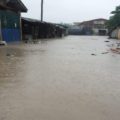 Flood hits major communities in Lagos after four hours downpour