By Toochi Ejiofor
Edited by Bababunmi Agbebi
You probably service your car regularly, replace a cracked phone screen quickly, and seek medical attention when a fever refuses to go away. But when was the last time you had your eyes examined?
For many Nigerians, eye care is something they think about only when their vision becomes blurry or they experience pain or discomfort. The problem is that some of the most common eye diseases develop silently, causing irreversible damage before any symptoms appear.
According to the World Health Organization (WHO), at least 2.2 billion people worldwide have a vision impairment or blindness, and in at least 1 billion of those cases, the condition could have been prevented or has yet to be addressed. Regular eye examinations remain one of the most effective ways to detect eye diseases early and protect your sight.
Why Regular Eye Check-Ups Matter
- They Can Detect Eye Diseases Before Symptoms Appear
One of the biggest benefits of routine eye examinations is early detection. Many eye diseases progress gradually, meaning a person may continue with their daily activities while damage is already occurring inside the eye.
An eye examination allows an optometrist or ophthalmologist to identify problems before they begin to affect your vision, improving the chances of successful treatment.
- Your Eyes Can Reveal Other Health Conditions
An eye examination is not just about checking whether you need glasses. The blood vessels and optic nerve at the back of the eye can reveal early signs of other medical conditions, including:
- Diabetes
- High blood pressure
- High cholesterol
- Certain autoimmune diseases
In some cases, these conditions are first suspected during a routine eye examination before the individual develops obvious symptoms.
- They Help Preserve Vision as You Age
The risk of developing eye diseases increases with age. Adults over 40 are more likely to develop conditions such as cataracts and glaucoma, making regular eye screenings even more important, especially for those with a family history of eye disease.
Common Eye Conditions Affecting Nigerians
- Glaucoma
Glaucoma is a group of eye diseases that damage the optic nerve, often due to increased pressure inside the eye. The Federal Ministry of Health and Social Welfare in Nigeria estimates that glaucoma accounts for 17% of blindness in the country, making it the second leading cause of blindness after cataracts. The disease often develops without noticeable symptoms in its early stages; many people do not realise they have it until significant vision has already been lost.
- Cataracts
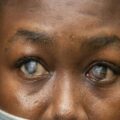
Cataracts occur when the eye’s natural lens becomes cloudy, causing blurred or dim vision. The WHO identifies cataracts as the leading cause of blindness globally, and they remain one of the leading causes of avoidable blindness in Nigeria. The good news is that cataract surgery is safe, common, and highly effective in restoring vision.
- Refractive Errors
Refractive errors, including short-sightedness (myopia), long-sightedness (hyperopia), astigmatism, and presbyopia are among the most common eye conditions in Nigeria. Many people continue living with poor vision simply because they have never had an eye examination or do not have access to the correct prescription glasses.
Book an eye examination if you experience any of these symptoms:
- Blurred vision
- Frequent headaches, especially while reading or using digital screens
- Difficulty seeing at night
- Double vision
- Persistent eye pain or redness
- Flashes of light or a sudden increase in floaters
- Sudden loss of vision
Eye specialists recommend comprehensive eye examinations every 1 to 2 years. Protect your sight before it’s too late!