
By Toochi Ejiofor
Edited by Bababunmi Agbebi
With rising food prices and inflation stretching household budgets, many families now spend more on food than they did just a few years ago. Yet, in the middle of this economic pressure, some are beginning to revisit an old solution: backyard farming.
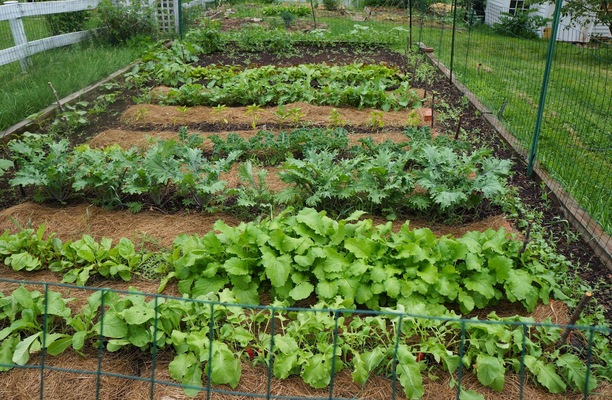
Bringing back the culture of backyard farming in Nigeria is not a matter of hobby, but a necessary strategy for financial survival.
One major importance of backyard farming is that it directly improves the quality of what we eat and how we live. Growing your own vegetables reduces exposure to harmful chemicals and artificial preservatives often used in large-scale commercial farming, ensuring fresher, safer, and more nutritious meals for the family.
Beyond the physical health benefits, tending a garden deeply supports mental wellness. Caring for plants reduces stress and introduces a grounding sense of routine and purpose into a busy day.
Economically, this habit reduces frequent, stressful market trips and consistently saves money on daily food essentials.
However, the biggest misconception about farming for family consumption is that it requires acres of soil. To start, you can easily repurpose old paint buckets, plastic basins, large plastic bottles, or cement bags. Then go ahead and drill a few drainage holes at the bottom, fill them with nutrient-rich soil, and start planting your quality seeds.
Note the following things as you begin:
- The soil matters: Use dark, fertile soil mixed with organic waste like eggshells or dried plant peels for nutrients.
- Don’t drown your plants: Water early morning or evening and ensure proper drainage to prevent root rot.
- Sunlight is essential: Most vegetables need at least 4–6 hours of direct sunlight daily.
- Start small: Focus on one or two crops first before expanding your garden. Examples include: scent leaves, peppers, Ugwu, water leaf, etc.
Do proper research before you begin to avoid being confused or getting the wrong results. Ultimately, bringing back the culture of backyard farming is a powerful step toward a healthier, cost-effective, and more intentional lifestyle.