
By Bababunmi Agbebi
The crescent moon finally appeared in the sky, thin and bright, signaling the end of a sacred journey. For Muslims around the world, and especially in Nigeria, it meant one thing, Eid al-Fitr, the celebration that marks the end of Ramadan.
In a quiet neighborhood in Ikeja, Lagos, the Musa family gathered in excitement. For 30 days, they had fasted from dawn to sunset, showing discipline, patience, and devotion. Ramadan had not only been about staying hungry, it had been about helping the poor, praying more, and becoming better people.
Now, it was time to celebrate.
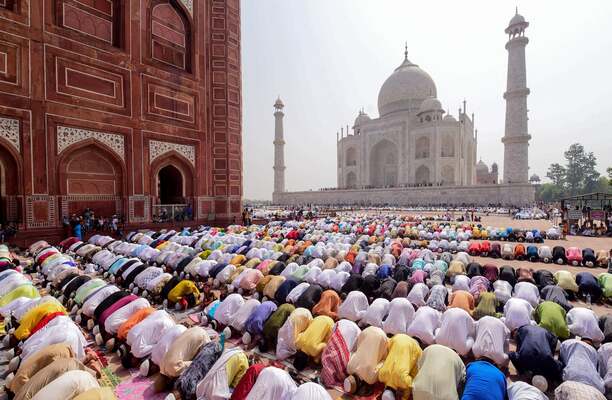
The next morning, the streets came alive. People wore their finest clothes, children laughed with joy, and families headed to the mosque for special prayers. The Nigerian government had declared the day a public holiday, allowing everyone, Muslims and even non-Muslims to rest, reflect, and share in the happiness. It was a moment of unity, where neighbors greeted one another with warm smiles and the words, “Eid Mubarak.”
After prayers, the Musa family visited relatives and shared meals. Plates of delicious food filled the table, rice, stew, sweets, and fruits. Unlike Ramadan, when they had to wait until sunset to eat, today they could enjoy food freely. It was a reward after a month of sacrifice.
But as young Amina watched the celebration, she remembered another festival she had seen before, Eid al-Adha.
She turned to her father and asked, “Daddy, why don’t we kill a ram today like we did the other time?”
Her father smiled and gently explained, “That is a different celebration. Today is Eid al-Fitr, which marks the end of fasting. It is about gratitude and joy. But the one where we kill a ram is called Eid al-Adha.”
He continued, “Eid al-Adha honors the willingness of Prophet Ibrahim to sacrifice his son in obedience to God. Instead of his son, a ram was provided. That is why Muslims slaughter a ram or other animals during that festival to remember obedience, sacrifice, and to share meat with the poor.”
Amina nodded, beginning to understand. “So today is about finishing Ramadan, and the other one is about sacrifice?”
“Exactly,” her father replied.
As the day went on, laughter filled the air. Children received gifts, families bonded, and acts of kindness spread through the community. Though no ram was slaughtered, the spirit of giving was still alive, people shared food, offered charity, and ensured no one was left out of the celebration.
By evening, as the sun began to set, Amina sat quietly, feeling grateful. She realized that both celebrations, though different, carried powerful lessons. One of self-discipline and gratitude, the other of sacrifice and obedience.
And in that moment, she understood that beyond the food, clothes, and holidays, these celebrations were about something deeper: faith, unity, and compassion.