
A nationwide survey conducted by the National Agency for Food and Drug Administration and Control (NAFDAC) has linked underage drinking in Nigeria to the widespread availability of sachet alcohol and other small-pack products.
Conducted in 2021 in collaboration with the Distillers and Blenders Association of Nigeria (DIBAN), the study has brought fresh urgency to the ongoing enforcement of Nigeria’s ban on sachet alcohol.
The data shows widespread access and consumption of alcohol among minors and underage youths. According to the findings, 54.3 per cent of minors and underaged children reported buying alcohol themselves, often without age verification. Nearly half (49.9 per cent) said they accessed alcohol from friends and relatives, while 45.9 per cent obtained it at social gatherings. Alarmingly, 21.7 per cent said alcohol was accessible within their parents’ homes.
The survey further revealed that sachet alcohol and small plastic (PET) bottles were the most commonly purchased forms of alcohol. Among respondents who procured alcohol themselves, 47.2 per cent of minors and 48.8 per cent of underaged children bought drinks in sachets, while over 40 per cent purchased alcohol in PET bottles. Procurement of sachet alcohol was highest in Rivers, Lagos and Kaduna states, and was more common among males and rural respondents.
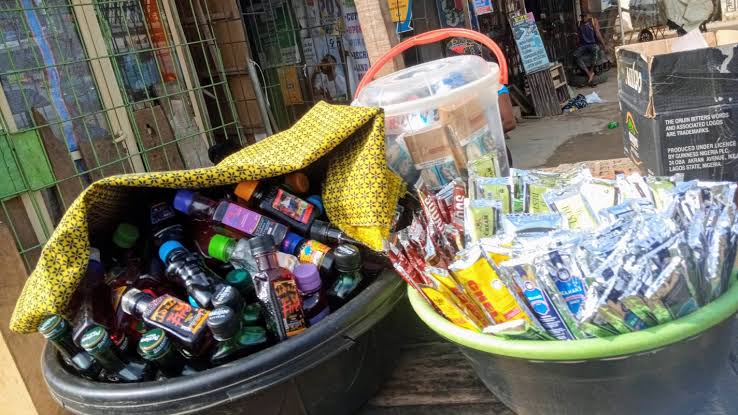
This survey underscores the ease of access to alcohol by children and the role of small, easily concealed packaging in underage consumption. NAFDAC’s Director-General, Prof. Mojisola Christianah Adeyeye, stressed that limiting access to small pack sizes (sachets and bottles less than 200 ml) could reduce the prevalence of underage drinking. She also urged parents, teachers, religious leaders, and communities to take proactive measures to monitor and guide children’s exposure to alcohol, describing early consumption as a public health alarm.
Recall that in December 2018, NAFDAC signed a five-year Memorandum of Understanding with alcohol manufacturers to phase out sachet and small-volume alcohol packaging by January 31, 2024, a decision that drew mixed reactions.
Despite the opposition to the ban, NAFDAC resumed enforcement in January, though sachet alcohol continues to be widely sold and consumed in many parts of the country.