
By Suad Ayinla.
Edited by Bababunmi Agbebi
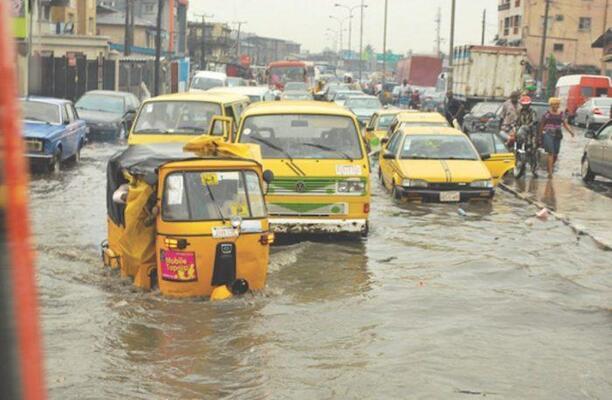
How much does the weather and a person’s genotype determine whether a simple fever in Lagos turns out to be malaria? In many parts of the city, including busy hubs like Ikeja, residents still treat fever, body pain, and headaches as “likely malaria,” even as doctors warn that changing rainfall patterns and diverse health conditions are making diagnosis more complicated. During long spells of rain, when gutters overflow, and puddles form in streets and compounds, the number of people reporting mosquito bites and fever symptoms tends to rise. Still, not every fever is malaria, and not every person’s body responds to infection in the same way.
Health workers say the rainy season remains a critical period for malaria risk because stagnant water around homes, shops, and roadside drains provides breeding sites for mosquitoes, especially when heavy downpours are followed by warm, humid days that favor mosquito activity. For commuters and traders in Ikeja who spend long hours in traffic, open markets or around flood‑prone streets, these conditions mean constant exposure to mosquitoes and, potentially, repeated infections over time. At the same time, genotype and inherited traits can influence both susceptibility and how severe malaria becomes, with conditions like sickle cell disease making infections more dangerous and recovery more complicated, especially when fever is treated casually without proper testing.
Preventing malaria in this context depends on both personal habits and community action. Residents are advised to sleep under long‑lasting insecticide‑treated nets, use repellents, when necessary, wear clothing that covers the arms and legs in mosquito‑dense areas, and seek proper laboratory tests whenever they develop fever instead of relying on guesswork or routine self‑medication. Communities in and around Ikeja also need to keep drains clear, remove stagnant water and refuse that can hold water, cover water storage containers, and support regular environmental sanitation so that the rainy season does not automatically translate into higher mosquito populations and more cases of malaria.
For people who live, work or commute through Ikeja, where offices, markets and residential streets sit close to open drains and busy roads, the broader question is how long the area can continue to live with the predictable cycle of rain, stagnant water and mosquito activity without deeper changes in drainage, waste management and health education. As each rainy season brings fresh reports of fever and suspected malaria, especially among those with vulnerable genotypes, how many more people in Ikeja will keep treating symptoms on their own instead of asking what the weather and their genetic makeup really mean for their health and how they can prevent malaria before it strikes again?




Great work, Suad!
Loved this!