By Suad Ayinla.
Edited by Bababunmi Agbebi
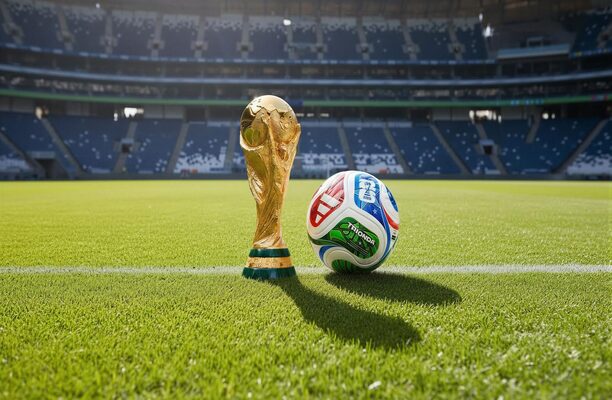
Football fans across the globe are counting down to July 18, 2026, when the World Cup third‑place “bronze final” will bring one last high‑stakes clash before the tournament’s ultimate showdown. From major capitals to small towns, this match is being treated as a second final: a stage where two giants who narrowly missed the title game battle for pride, ranking and a place in history. Yet to really feel how global anticipation translates into lived experience, you only need to stand in one district of Ikeja, Lagos where the buzz of football merges with the everyday rhythm of youth, commerce, and nightlife.
In Ikeja, preparations for the bronze final are almost as intense as for the main final. Sports bars along Allen are already pushing match posters, drink deals, and “watch party” alerts, knowing that many young residents see this game as a chance to gather, shout, argue, and forget their stress for ninety minutes. Viewing centers tucked into side streets, car‑wash lounges with big screens, and modest beer parlours close to Computer Village all become micro‑stadiums once kick‑off approaches. For youths who have followed the tournament closely, tracking line‑ups, tactics and social‑media debates the July 18 game is not just a consolation match; it’s a test of character for teams that could easily have been in the final.
The emotional weight of the match is felt in Ikeja’s conversations days before the whistle blows. In offices and co‑working spaces, young workers compare semi‑final heartbreaks, replaying missed chances and coaching decisions over lunch. In Computer Village, gadget sellers stream highlights on phone screens while arguing over which star needs a big performance to rescue their reputation. On buses heading towards Alausa, passengers swap predictions and tease one another about whom they’ll support when their favorite team is no longer in the title race. For many, this bronze final is a way to stay emotionally invested in the tournament, to honor weeks of loyalty by watching their team fight for a podium place instead of disappearing quietly.
When July 18 finally arrives, Ikeja mirrors the wider world’s anticipation in its own distinct way. Crowds spill out of viewing centers onto pavements and the roar from goals and near‑misses cuts through the usual traffic noise. Young fans who cannot afford big bar bills huddle around smaller screens, while others watch from balconies or shop fronts, turning every corner into a vantage point. As the match unfolds, debates over pride, mentality and “legacy” echo from Lagos to London to Latin America but in Ikeja, those global narratives are filtered through local realities of hustle, friendship, and escape.
For these teams, and for the fans who packed this district to witness them, will July 18 be remembered as a glorious consolation or just a painful reminder of how close they came to football’s biggest stage?
Recommended posts:
 Rashidi Yekini: The untold journey of Nigerian football legend
 YearinReview: From Wizkid’s More Love, Less Ego to Asake’s Mr. Money With Vibe – A Definitive List of All the Nigerian Albums Released in 2022
 Al Hilm: Here are 3 facts about official match ball of FIFA World Cup Qatar 2022 finals
 Mystery Unraveled: True story behind India Vs Nigeria 99-1 match