
By Bababunmi Agbebi
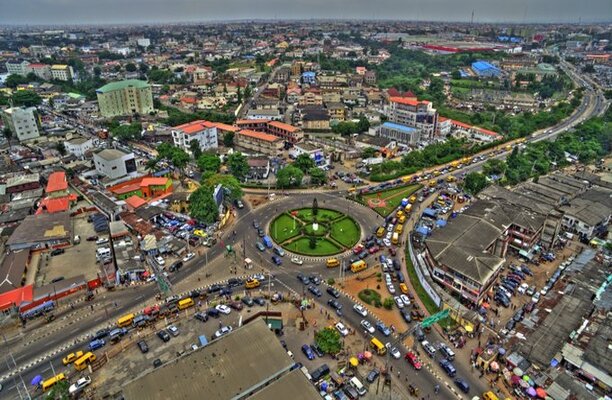
For many people arriving in Ikeja for the first time, the district feels like a city within a city. As the capital of Lagos, Ikeja blends government offices, buzzing markets, nightlife, tech hubs, and residential neighborhoods into one energetic environment. It’s a place where business deals happen over roadside meals, traffic conversations turn into networking opportunities, and the pace of life rarely slows down.
But beyond the official rules, road signs, and office hours lies something every newcomer quickly discovers, Ikeja runs on a set of unwritten rules. These subtle social cues and everyday habits shape how people interact, move, and succeed in the area. Understanding them can make the difference between feeling lost and settling in smoothly.
1. Time Moves Differently but Business Still Gets Done
While schedules exist, flexibility is part of the culture. Meetings might start later than planned, traffic might delay appointments, and unexpected conversations may interrupt your day. However, this doesn’t mean people aren’t serious about work.
In Ikeja’s commercial zones like Computer Village, deals move quickly and relationships matter. Patience and adaptability are essential traits for newcomers.
2. Greetings Open Doors
In Ikeja, jumping straight into business can feel abrupt. A simple greeting “Good morning,” “Good afternoon,” or even a friendly “How far?” goes a long way. Acknowledging people before asking questions shows respect and creates goodwill.
Security guards, shop owners, and colleagues appreciate this small gesture, and it often leads to more helpful interactions.
3. Traffic Is Part of the Lifestyle
Anyone living or working in Ikeja quickly learns that traffic is unavoidable. Major roads around Murtala Muhammed International Airport and busy areas like Allen Avenue can become heavily congested during rush hours.
The unwritten rule here is simple: always plan extra time. Many experienced residents schedule meetings after peak traffic hours or choose alternative routes to stay productive.
4. Street Food Is More Than Convenience
Food in Ikeja is a social experience. Roadside vendors selling favorites like suya and jollof rice often become regular stops for workers and residents alike.
Beyond satisfying hunger, these places serve as informal meeting points where conversations happen naturally. Trying local food is one of the quickest ways to feel part of the community.
5. Relationships Matter More Than Transactions
Whether you’re negotiating in markets or building professional networks, trust is highly valued. Many successful interactions in Ikeja rely on personal relationships and reputation rather than formal processes alone.
A recommendation from a trusted person can open doors faster than a stack of credentials.
6. Confidence Is Respected
Ikeja is full of entrepreneurs, traders, and professionals who are confident about what they do. Being clear, polite, and self-assured helps people take you seriously.
At the same time, humility and respect remain essential. Balancing the two is one of the subtle social skills newcomers gradually learn.
7. Everyone Is Hustling
One thing you quickly notice in Ikeja is the strong entrepreneurial spirit. From office professionals to roadside vendors, people are constantly working toward better opportunities.
This energy is part of what makes the district dynamic and inspiring. Newcomers who embrace the same mindset often find themselves adapting quickly.
Settling Into the Rhythm
Living or working in Ikeja can feel overwhelming at first, but the district rewards curiosity and openness. The unwritten rules are not strict guidelines but shared habits that reflect the resilience, warmth, and ambition of the people who call the area home.
For newcomers willing to observe, greet, adapt, and engage, Ikeja soon transforms from a busy district into a vibrant community full of opportunity.