By Chiagoziem Abosi
Editeed by Bababunmi Agbebi
The Federal Government is proposing one of the biggest changes to Nigeria’s basic education system in years. The plan is to phase out the long-standing separation between Junior Secondary School (JSS) and Senior Secondary School (SSS), following concerns that millions of children are unable to continue their education after primary school.
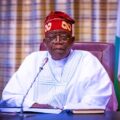
The proposed reform was announced by the Minister of Education, Dr. Tunji Alausa, during the inauguration of the Universal Basic Education Commission (UBEC) Ministerial Implementation and Monitoring Committee in Abuja.
According to the minister, the current system, popularly known as the “disarticulation policy,” has failed to achieve its objective. Instead of making secondary education more accessible, it has created a gap that leaves millions of Nigerian children unable to progress through the education system.
Government data shows that Nigeria has about 80,000 public primary schools but only around 15,000 junior secondary schools. The imbalance, the minister said, has contributed to more than 20 million children dropping out before reaching senior secondary education.
To address this challenge, the Federal Government plans to reunite junior and senior secondary education under one structure. The proposal will be presented to the National Council on Education for consideration before implementation.
Although the reform is still awaiting approval, education stakeholders believe it could have a significant impact on schools across Lagos, including those in Ikeja.
For parents, a more integrated secondary school system could make it easier for children to transition from one level to the next without changing schools or facing unnecessary administrative hurdles.
For students, it could reduce disruptions in learning and improve access to classrooms, teachers and educational resources.
Private and public schools in Ikeja may also need to review their academic structures if the proposal eventually becomes national policy.
Education experts have long argued that keeping students in school should be the priority, especially at a time when Nigeria continues to battle one of the highest numbers of out-of-school children in the world. Improving progression from primary school to secondary school, they say, is just as important as increasing enrolment.
The minister also noted that the government is working to strengthen the implementation of UBEC-funded projects, including Smart Schools, Bilingual Schools and Alternative Schools, many of which have been completed but are yet to begin academic activities.
While many parents have welcomed the proposed reform, others believe improving school infrastructure, recruiting more qualified teachers and providing learning materials should remain top priorities alongside any structural changes.
For many families in Ikeja and across Nigeria, the bigger question is whether the proposed reform will translate into better learning outcomes and ensure that more children complete their secondary education.
As discussions continue, one thing is clear. Keeping children in school remains one of the country’s biggest education challenges, and every reform will ultimately be judged by how many young Nigerians it helps to stay in the classroom.
What do you think? Should Nigeria scrap the separation between JSS and SSS? Share your thoughts in the comments.