
By Suad Ayinla
Edited by Bababunmi Agbebi
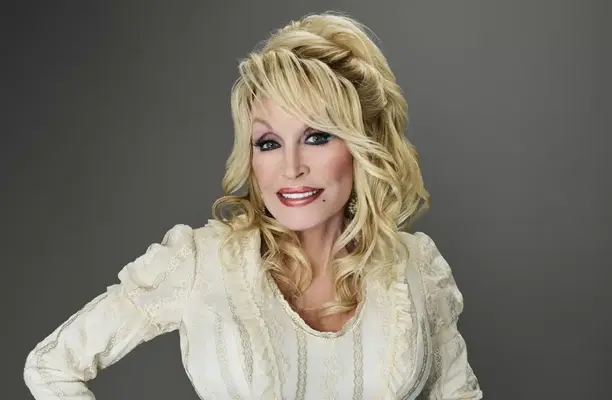
Why can the death of a celebrity thousands of kilometres away trigger an emotional reaction in Nigeria? The recent global attention surrounding American music icon Dolly Parton has once again shown how closely Nigerians follow international celebrities. Although Parton’s career was rooted in country music and American culture, her name has resonated with Nigerian social media users, sparking conversations about her music, life, influence and legacy. Her story offers a glimpse into why international celebrities can become familiar figures to Nigerians who have never met them.
Parton, whose career spanned more than six decades, became one of the most recognisable names in global entertainment through songs such as Jolene, 9 to 5 and I Will Always Love You. Her influence, however, extended beyond music. She built a reputation as an actress, entrepreneur and philanthropist, particularly through her Imagination Library initiative, which provides books to children. Her journey from a poor background in Tennessee to international stardom has also made her story one of perseverance and success.
For Nigerians, familiarity with global celebrities is not new. American music, Hollywood films, football and international pop culture have been part of Nigerian entertainment for generations. Before social media, Nigerians encountered international stars through television, radio, newspapers and magazines. Today, platforms such as X, Instagram, TikTok and YouTube have made that relationship much more immediate. Nigerians can follow celebrities in real time, watch their performances, celebrate their achievements and participate in conversations about their personal lives.
Social media has also changed the meaning of celebrity fandom. A Nigerian fan does not have to attend a concert in America or meet a celebrity personally to feel connected to them. A song listened to repeatedly during childhood, a movie watched with family or a celebrity’s public story can create a sense of familiarity. This is particularly evident when a major celebrity dies. Tributes quickly spread online as people share favourite songs, memories, photographs and personal experiences connected to the celebrity’s work.
There is also a cultural connection in the way Nigerians respond to stories of success and resilience. Parton’s journey from humble beginnings to becoming a global entertainment powerhouse reflects a narrative that many Nigerians understand: starting with little, working hard and building something significant. Her philanthropic work also adds another layer to her public image. For many Nigerians, admiration for celebrities is not based solely on fame but also on character, achievements and the impact they have on other people’s lives.
The reaction to Dolly Parton’s global popularity therefore goes beyond one celebrity. It reflects how technology, entertainment and social media have erased many of the boundaries that once separated audiences. Nigerians can embrace Afrobeats while listening to American country music, follow Nigerian celebrities while keeping up with Hollywood and discuss international stars alongside local news. In an increasingly connected world, distance no longer determines familiarity.
Perhaps the real question is not why Nigerians care about global celebrities they have never met, but how a song, a story or a screen can make someone thousands of kilometres away feel strangely familiar.