By Suad Ayinla
Edited by Bababummi Agbebi
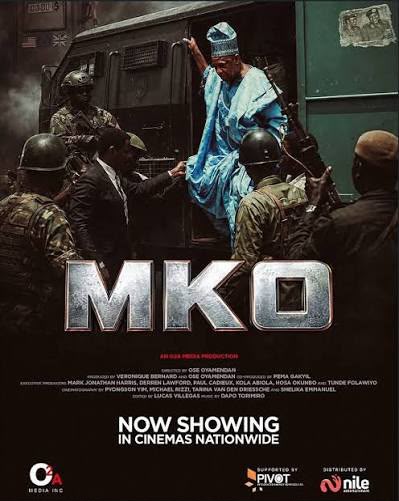
More than 30 years after the June 12, 1993 presidential election, the story of Moshood Kashimawo Olawale Abiola is returning to the big screen. The documentary MKO, which explores Abiola’s life and the events surrounding the historic election, premiered in Lagos on October 1 and begins showing in cinemas across Nigeria from Friday, October 2, 2026. For many Nigerians, it is another opportunity to revisit a chapter of the country’s history that continues to generate conversations.
Abiola remains one of the most recognisable figures associated with the June 12 election. The election was annulled, setting off a period of political crisis and a prolonged struggle for the restoration of democratic rule. Abiola was later detained after demanding recognition of his electoral mandate and died in custody in 1998. Decades later, his name remains closely linked with Nigeria’s democratic history.
For younger Nigerians, however, much of this history happened before they were born. June 12 may be familiar as a public holiday or a date mentioned in history lessons, but many did not experience the events that made the date significant. The release of MKO therefore comes at a time when a new generation can encounter the story through film rather than simply reading about it.
The documentary draws on archival material and accounts from people connected to Abiola and the events of the period. It features contributions from figures including former military leaders Ibrahim Babangida and Abdulsalami Abubakar, former President Olusegun Obasanjo, Nobel laureate Wole Soyinka and members of Abiola’s family. By bringing together these accounts, the film revisits the events surrounding June 12 and Abiola’s place in them.
As MKO begins its nationwide cinema run on October 2, its release also raises a broader question about how Nigerians preserve and pass down their history. For those who remember June 12, the documentary may reopen memories of a turbulent period. For younger audiences, it may provide an introduction to events they know mainly through textbooks and public commemorations. Either way, the return of Abiola’s story to the cinema shows that some chapters of Nigeria’s past continue to demand attention. But how much does the younger generation really know about the man behind the June 12 story?
Recommended posts:
 Declare late Chief MKO Abiola president-elect, Accord Party urges Tinubu
 7 Heroes of Ikeja: Influential figures in its history
 YearinReview: From Wizkid’s More Love, Less Ego to Asake’s Mr. Money With Vibe – A Definitive List of All the Nigerian Albums Released in 2022
 Democracy in Transition: From May 29 to June 12 — What Changed and Why It Matters