By Suad Ayinla.
Edited by Bababunmi Agbebi
What keeps Ikeja connected when the traffic, office rush and commercial noise become overwhelming? Beyond its busy roads and popular nightlife, the community is held together by quieter spaces, churches, mosques, clubs, parks and small gathering points where residents pray, relax, share ideas and support one another.
Religious centres remain some of Ikeja’s most important community spaces. On Sundays and Fridays, churches and mosques bring together people from different streets and backgrounds, but their role extends beyond worship. They often provide counselling, welfare support, youth programmes, food assistance, marriage guidance and a listening ear for residents dealing with unemployment, family pressure or the high cost of living.
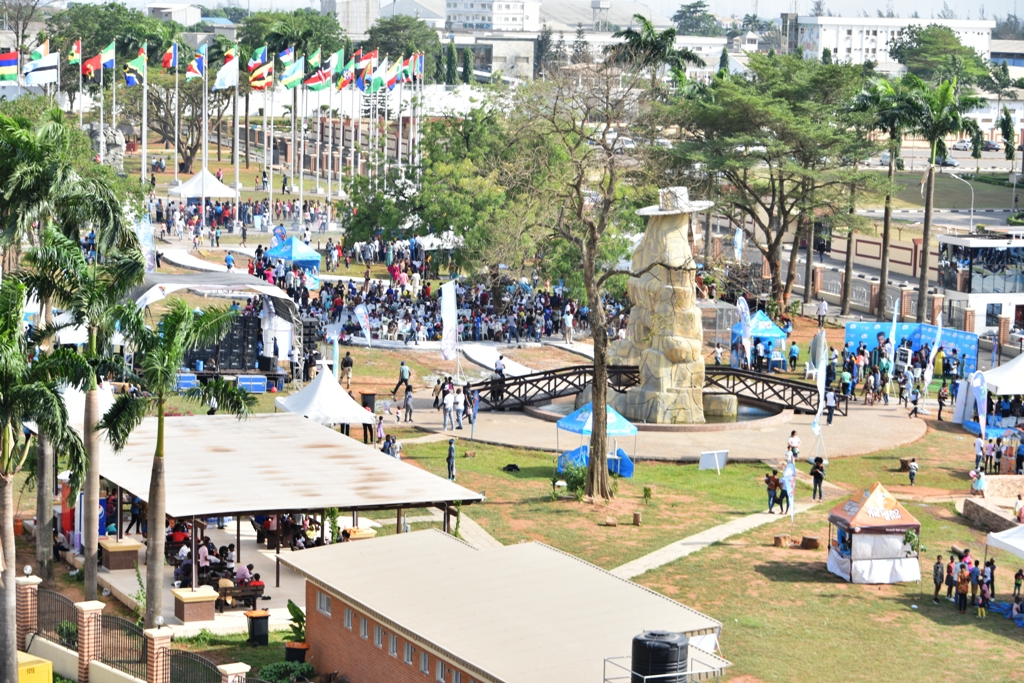
For outdoor relaxation, the Johnson Jakande Tinubu Park (JJT) and Ndubuisi Kanu Park in Alausa offer residents a welcome break from the city’s concrete landscape. Families can spend time outdoors, young people can meet friends, and individuals can walk, exercise or simply sit beneath the trees. Their location near government offices also makes them useful spaces for small events, public gatherings and informal community interaction.
Ikeja’s clubs and social organisations provide another kind of quiet strength. Institutions such as Ikeja Club create room for networking, cultural activities, charity work, public lectures and medical outreach, while neighbourhood associations and residents’ groups help communities respond to security concerns, sanitation problems and emergencies. These may not always make headline news, but they often solve everyday problems before they become major crises.
There are also the less formal gathering points: a café where young workers exchange ideas, a football-viewing centre where strangers become friends, a small lounge where colleagues unwind after work or a community hall hosting a meeting. In a fast-growing area where people can easily become isolated, these “third spaces” offer companionship without the pressure of home or the formality of the workplace.
From the peaceful corners of Alausa to the worship centres, clubs and neighbourhood meeting points scattered across Oregun, Allen Avenue, GRA and Opebi, Ikeja’s quiet places are doing more than offering relaxation. They are creating trust, friendship and practical support in a busy city.