By Chiagoziem Abosi
Edited by Bababunmi Agbebi
When most Nigerians hear that the Dangote Refinery has exported jet fuel worth ₦757 billion to Europe and the United States, the immediate reaction is often, “How does that affect me?”
It’s a fair question.
After all, most residents of Ikeja aren’t buying aviation fuel. But experts say the significance of this development goes far beyond airplanes.
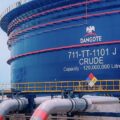
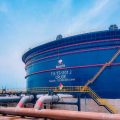
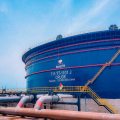
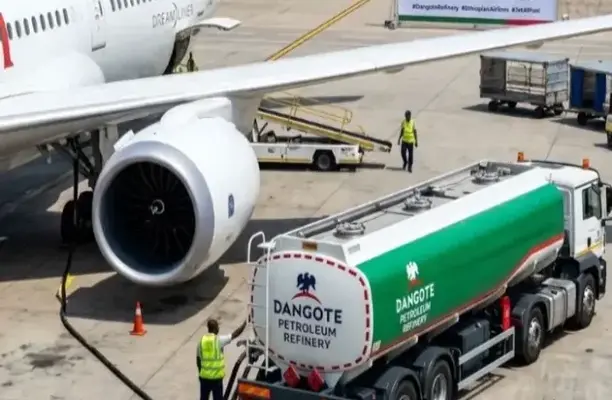
According to reports, the Dangote Refinery has become one of the world’s largest suppliers of aviation fuel, exporting millions of barrels to international markets, including Europe and the United States. The achievement signals Nigeria’s growing role in global energy markets and demonstrates the refinery’s ability to meet international fuel quality standards.
For years, Nigeria exported crude oil only to import refined petroleum products at higher prices. The Dangote Refinery was built to change that narrative by refining crude locally before supplying both domestic and international markets.
For Lagos residents, especially those living and working around Ikeja, where one of Africa’s busiest airports is located, a refinery capable of producing aviation fuel locally represents an important shift.
Beyond serving airlines, increased exports mean more foreign exchange earnings for Nigeria. More dollars flowing into the economy can strengthen government revenue and improve the country’s balance of trade, although economists note that the impact on everyday prices depends on broader economic policies and market conditions.
The refinery’s growing operations could also support employment across logistics, engineering, maintenance, transportation and other industries connected to Nigeria’s energy sector.
For now, the export marks another milestone for Nigeria’s largest refinery and highlights the country’s potential to become a major exporter of refined petroleum products instead of relying primarily on crude oil exports.
For Ikeja residents, the story is less about airplanes and more about what stronger local refining could eventually mean for jobs, investment and the wider Nigerian economy.
Do you think achievements like this will eventually translate into lower fuel costs and more jobs for Nigerians, or are the benefits still too far from everyday reality? Share your thoughts in the comments and follow IkejaBird Media for more business stories explained in simple terms.