By Toochi Ejiofor
Edited by Bababunmi Agbebi
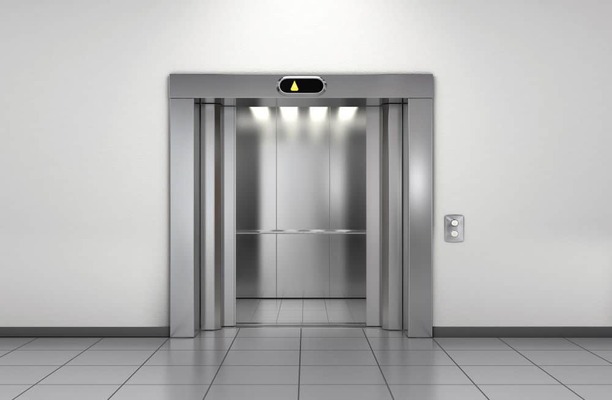
The recent sealing of several buildings by the Lagos State Safety Commission for non-compliance with lift and elevator regulations has drawn renewed attention to public safety in everyday spaces.
In a city with a growing number of high-rise buildings and increasing reliance on elevators, ensuring elevator safety has become more critical than ever.
The commission recently sealed a number of buildings in Ikeja and other parts of Lagos, including The Heritage/AXA on Awolowo Road, Mosesola House on Allen Avenue, Debour House, Bosch House on Soji Adepegba Close in GRA, Bridge View, Elizabeth Court, 10Bou Towers, Brion Court, Footprints Apartments, Lekki Luxury Flats, and Brasas Mall on Admiralty Way in Lekki. The enforcement action highlights ongoing concerns about compliance with mandatory safety standards.
Elevators are now a routine part of daily life in offices, malls and residential buildings, yet their safety depends on strict adherence to maintenance and regulatory requirements. When these standards are ignored, the risks can be significant, ranging from sudden breakdowns and prolonged entrapment to more severe mechanical failures.
Lagos has seen the consequences of such failures in the past. In August 2023, a medical doctor, Vwaere Diaso, died in an elevator crash at Lagos Island General Hospital after a malfunction. The incident sparked widespread concern and calls for better safety standards.
The Lagos State Safety Commission, which serves as the state’s primary safety regulator, is empowered to set safety standards, coordinate relevant agencies and enforce compliance through inspections and penalties aimed at protecting lives and property.
However, compliance remains uneven. Some building owners and facility managers fail to comply, which exposes many to avoidable danger. While regulators enforce standards, building owners and facility managers also play a role in ensuring safety.
Ultimately, the recent sealing serves as a reminder that elevator safety is not just a regulatory requirement but a critical public safety issue. As Lagos continues to grow, the need for consistent compliance becomes more urgent. Without it, the risks associated with everyday infrastructure could have serious and preventable consequences.
Recommended posts:
 Fire Outbreaks in Lagos: A Growing Public Safety Crisis and State Intervention
 Lagos Building Safety Under Scrutiny After Ogba School Collapse
 Nigeria Takes Bold Action Against Organ Trafficking With New Healthcare Ethics Reforms
 Dr Vwaere Diaso: Lagos State Government begins investigation into doctor’s death in hospital elevator crash