
By Bababunmi Agbebi
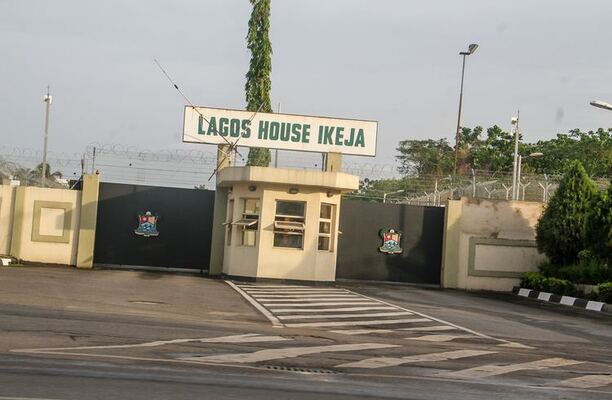
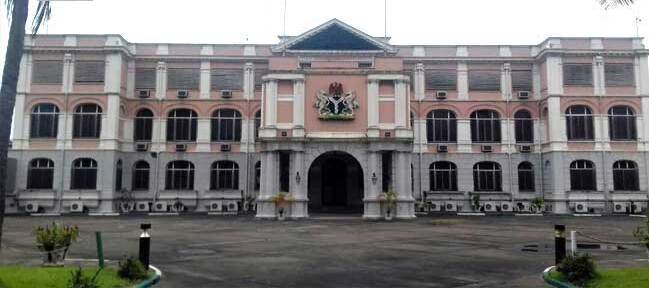
Lagos State is unique among Nigerian states because it operates with two official governor’s residences, located at Marina (Lagos Island) and Ikeja (mainland). These two “State Houses” reflect the historical evolution, administrative needs, and urban structure of Lagos.
State House, Marina
The State House at Marina is the older and historically significant residence. It dates back to the colonial era, when Lagos served as Nigeria’s capital.
- Originally used by colonial governors and later Nigerian heads of state before the capital moved to Abuja.
- Located on Lagos Island, the traditional commercial and administrative hub of the city.
- For decades, it served as the primary residence of Lagos State governors.
State House, Ikeja (Alausa)
The State House in Ikeja is a modern facility developed much later.
- Construction began in 1988 and it was commissioned in 2007.
- Located in Ikeja, which became the capital of Lagos State in 1976.
- Built close to the Lagos State Secretariat and other government institutions, making it more administrative in function.
Key Differences Between the Two State Houses
| Feature | State House Marina | State House Ikeja |
| Age | Colonial-era building | Modern (completed 2007) |
| Location | Lagos Island (business district) | Ikeja (state capital, mainland) |
| Original Use | Residence for colonial governors & heads of state | Purpose-built governor’s residence |
| Function Today | Ceremonial, historical, and official events | Administrative and residential use |
| Proximity to Govt Offices | Far from modern state secretariat | Very close to government headquarters |
In essence, Marina represents Lagos’ past, while Ikeja represents its modern governance structure.
Why Does Lagos Have Two State Houses?
There are three main reasons:
a. Historical Evolution of Lagos
Before 1967, Lagos functioned partly as a federal territory, while surrounding mainland areas were under a different regional administration.
When Lagos State was created, existing colonial infrastructure (like Marina) remained in use, even as new administrative centres developed in Ikeja.
b. Shift of Administrative Capital to Ikeja
When Ikeja became the state capital in 1976, most government institutions were moved there.
However, instead of abandoning Marina, Lagos retained it due to:
- Its historical importance
- Its strategic location in the commercial district
This led to a dual-residence system.
c. Functional Convenience
Having two residences allows flexibility:
- Marina is ideal for:
- Ceremonial functions
- Diplomatic meetings
- Tourism and heritage value
- Ikeja is ideal for:
- Day-to-day governance
- Proximity to ministries and agencies
- Easier access from mainland areas
For many years, all Lagos governors lived in Marina.
This changed in 2015:
- Akinwunmi Ambode became the first governor to reside in Ikeja, citing punctuality and proximity to work as reasons.
In 2017, the Federal Government officially handed over the Marina State House to Lagos State.
This reinforced its role as:
- A state-owned heritage asset
- A site that could be developed for tourism and cultural purposes
Rather than being redundant, the two residences serve complementary roles, reflecting Lagos’ transformation from a colonial capital to a modern megacity.